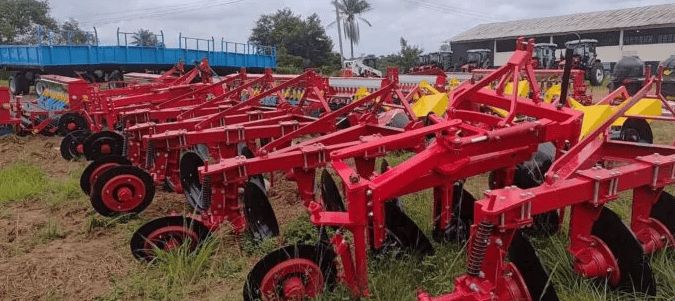
US Agricultural Machinery Market at a Reset Point, Strategic Buying Window Opens for Late-Model Used Equipment
According to Cory Nordhausen, Vice President of Sales for AgDirect West, the current US agricultural machinery market is experiencing a "reset point," providing farmers with a strategic opportunity to purchase late-model used equipment. He noted that the market has transitioned from the supply chain constraints and depleted inventory phase of 2020-2022 to the cooling demand period of 2023-2024, and has now reached a state of equilibrium.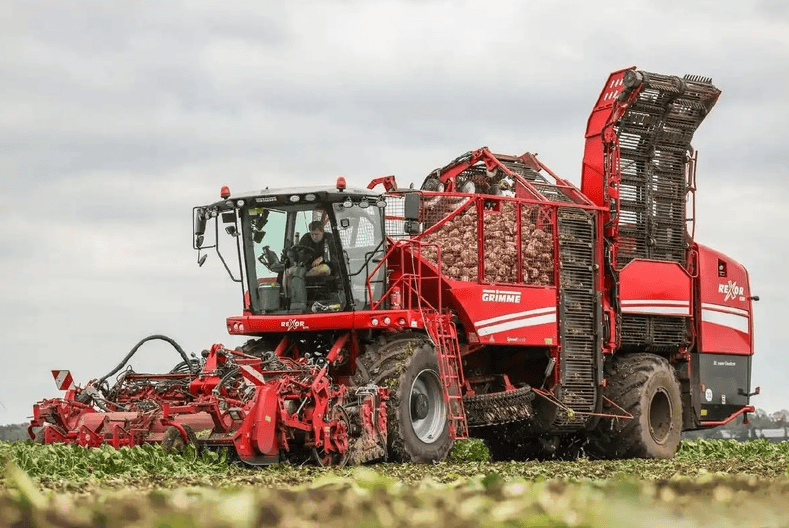
Nordhausen stated, "I kind of feel like maybe we've hit a reset point or a steady moment in the equipment market." He emphasized that the value of used agricultural equipment relative to new equipment prices has stabilized. The volume of high-quality one-to-three-year-old equipment circulating in auction markets has decreased by approximately 40%, indicating that the oversupply situation is tightening.
For farmers waiting for used equipment prices to bottom out, Nordhausen believes that used equipment prices are unlikely to drop significantly further; some late-model equipment prices have even seen slight increases. He explained, "Unless something crazy happens, we probably won't see used equipment prices drop significantly again. It's all about supply and demand."
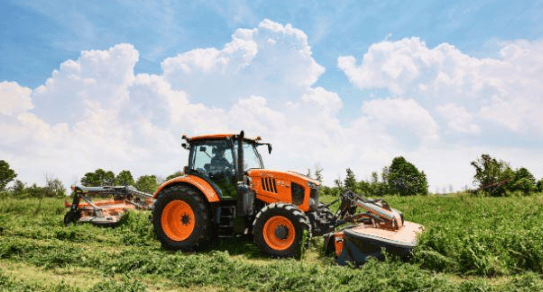
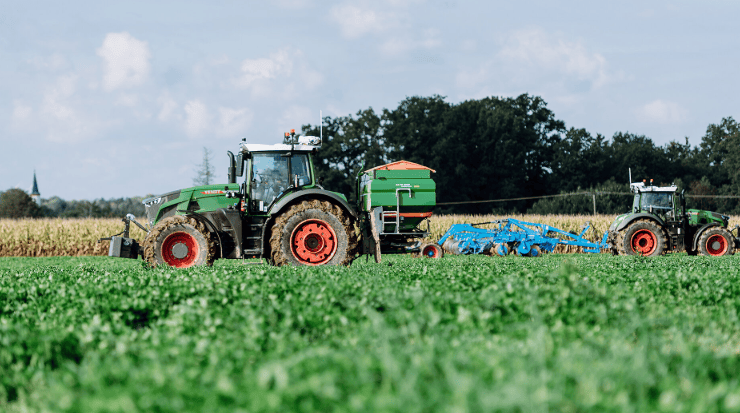
Nordhausen advises farmers to focus on four major categories of equipment: tractors, combines, planters, and sprayers, and to assess labor requirements and maintenance costs. He cautioned, "Repair costs aren't going down. Parts prices are up. Dealer shop labor rates continue to rise year after year." Therefore, farmers need to weigh repair investments against replacement timing.
In an environment of thin profit margins, liquidity is crucial. Nordhausen views financing as a means to protect the farm's balance sheet, encouraging farmers to consider leasing options to reduce cash flow pressure. He advises farmers to carefully evaluate purchasing opportunities, especially low-interest or 0% APR incentives, and suggests using tools to calculate the true cost.
As more transaction activity shifts towards auction platforms and private sales, Nordhausen believes farmers should plan their equipment needs two to three years in advance. Due to reduced new equipment sales and tightening used inventory, used prices could rise if commodity markets strengthen. He concluded that leveraging this "reset" period for strategic upgrades, combined with efficiency improvements and cash flow management, is the key strategy at present.
Related Products


714CD Series C-Band Weather Radar
Chengdu Zhongdian Jinjiang Information Industry Co., Ltd.
4HS-8 High-efficiency Peanut Inverted-laying Harvester
Hebei Yongfa Hongtian Agricultural Machinery Manufacturing Co., Ltd.

Industrial and Commercial Point-Type Gas Detector
Jinan Benan Technology Development Co., Ltd.