Countdown to Australia's New Mandatory Climate Disclosure Rules: Logistics Decarbonization Data Measurement Becomes Compliance Focus
Wedoany.com Report on Mar 7th, Australia will implement mandatory climate-related financial disclosures starting from the 2027 fiscal year, requiring large companies to report Scope 3 emissions. In corporate emission profiles, supply chain and logistics decarbonization typically account for the largest share—relevant data shows emissions from supply chain links can be 11 to 26 times those from direct operations. However, the biggest challenge in advancing logistics decarbonization is not technological application, but the accuracy of data measurement. This bottleneck is hindering the effective progress of overall emission reduction efforts.
The widely used spend-based proxy method in the industry estimates carbon emissions by multiplying freight expenditure by industry average emission factors. However, the results from this method can deviate by up to 70% compared to activity-based analysis. It fails to distinguish between emissions from efficient direct services and inefficient indirect routes, and struggles to reflect the actual locations of emissions and potential reduction opportunities. This may lead companies to make misguided decisions regarding decarbonization investments.
Key data required for building an accurate emissions profile—such as freight volume, origin-destination information, and load factors—already exists within most companies' supply chain management systems. When these operational data are analyzed in conjunction with specific emission factors, they can clearly reveal emission hotspots and inefficient logistics links, thereby shifting corporate investment priorities. Industry experts point out that transitioning from spend-based estimation to activity-based accurate measurement is an inevitable trend to meet compliance requirements and forms the foundation for achieving substantial logistics decarbonization.
A significant gap exists in the current market structure: environmental consulting firms excel at compliance report preparation but lack logistics expertise, while supply chain practitioners possess firsthand operational data but are not fully engaged in emission-related discussions. This disconnect results in many companies' climate disclosure reports meeting compliance requirements but lacking practical operational insights, objectively hindering substantive progress in logistics decarbonization.
As the mandatory disclosure deadline approaches and billions of dollars are invested in various decarbonization projects, accurately measuring Scope 3 emissions data becomes crucial. Supply chain professionals have the opportunity to proactively engage in this area, providing critical operational data layer support to bridge the professional gap between environmental compliance and logistics practices, thereby establishing reliable business justification and practical pathways for logistics decarbonization.
The industry needs to take proactive action to establish a reliable emissions data foundation to avoid potential risks from future regulatory audits and investment performance. Accurate emissions data is not only a compliance requirement but also an important tool for companies to optimize logistics networks, reduce operational costs, and enhance supply chain resilience. Australia's new mandatory climate disclosure rules are forcing companies to re-examine their logistics decarbonization pathways, driving the evolution of carbon emission measurement methods from rough estimates to precise measurement.
Related Products

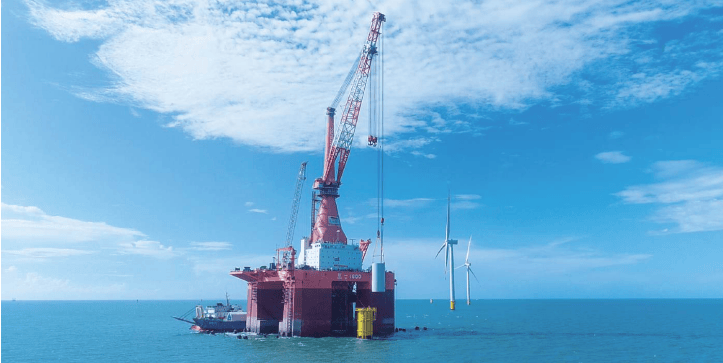
"Shunyi 1600" Deep-submerging Bottom-sitting Multi-functional Wind Power Engineering Vessel
Zhengli Offshore Engineering Co., Ltd.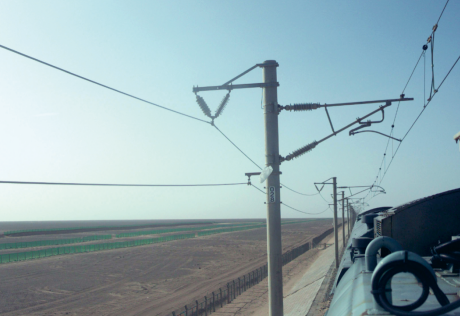
Pantograph-Catenary Comprehensive Detection Device (1C)
CHENGDU TANGYUAN ELECTRIC CO., LTD.![IVECO Cash-in-Transit [DMT5048XYCL3-AM] - Chongqing Dima Industry Co., Ltd](https://img.wedoany.com/2026/0911/20260911030157582.png)
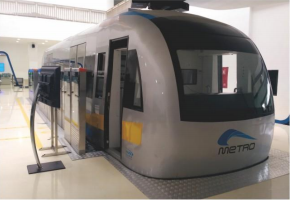
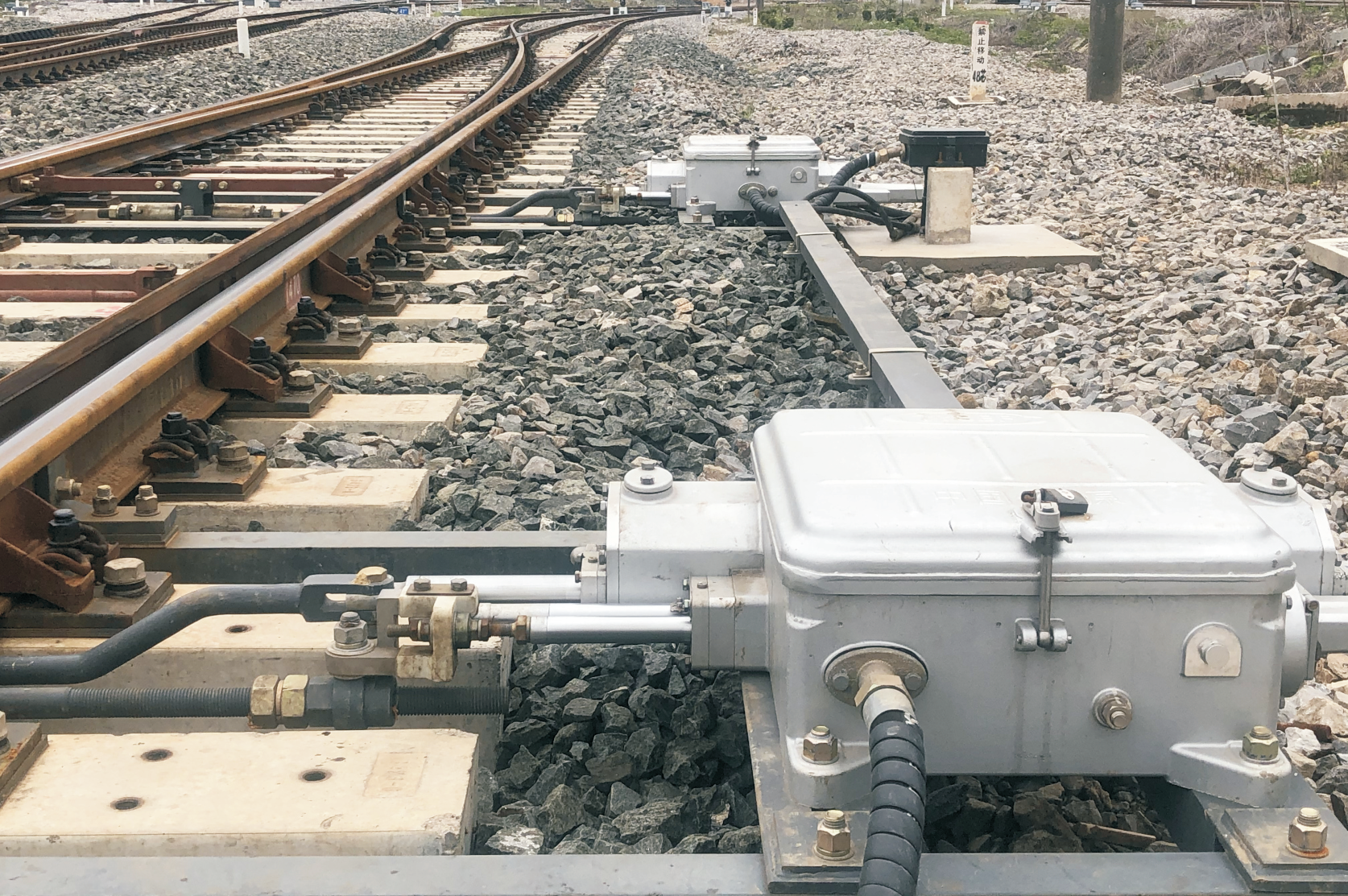
ZY(J)7(M) Sealed Type Electro-Hydraulic Turnout Machine
TAIYUAN CR JINGFENG EQUIPMENT TECHNOLOGY CO., LTD.
GSR6-27.5kV SF6 Free Gas-insulated Metal-enclosed Switchgear
Zhejiang Juhonkia Intelligent Electric Co., Ltd.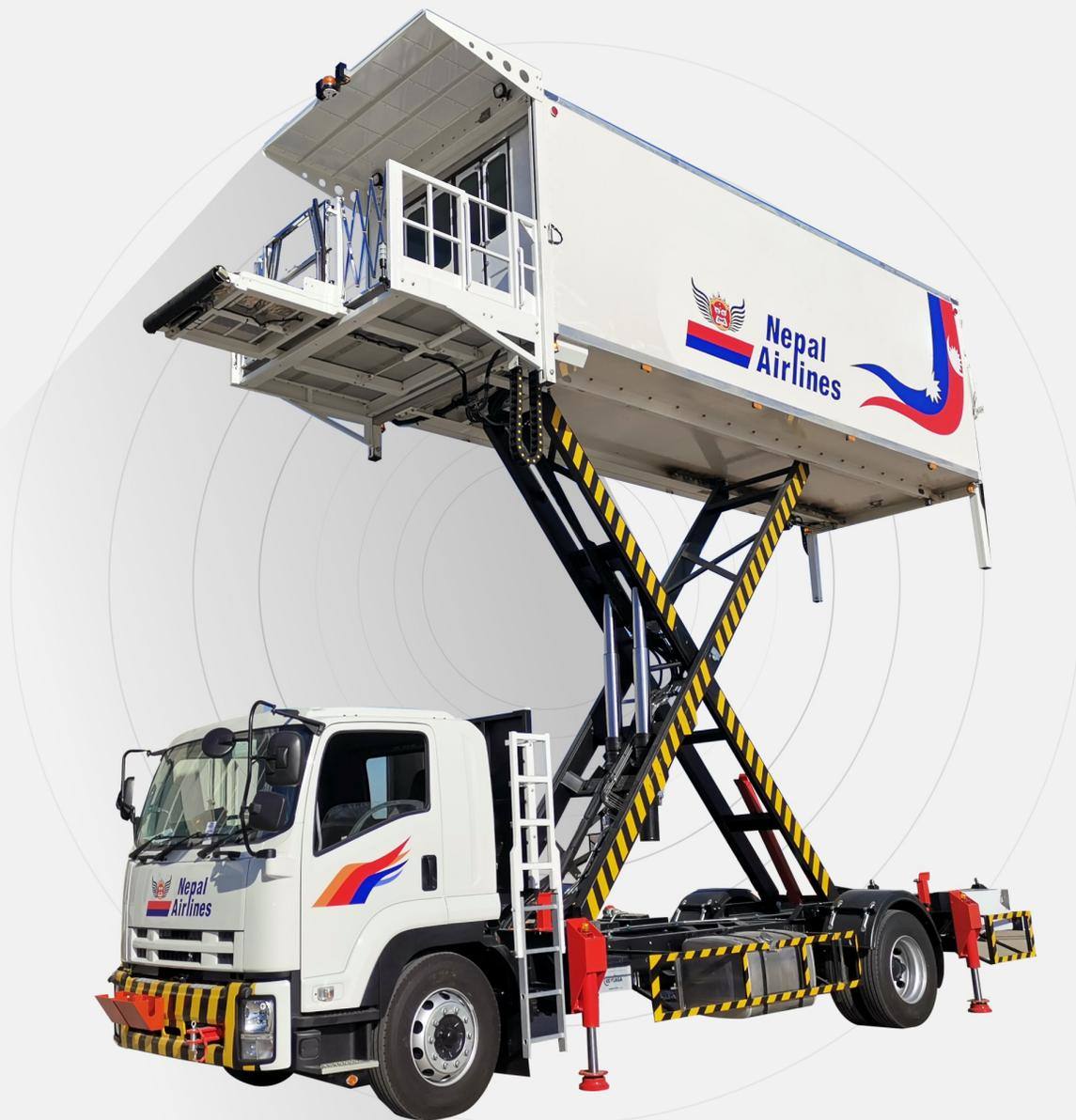
XC-6000e Type Aviation Catering Truck (Fuel Type)
Shenzhen CIMC-TianDa Airport Support Ltd.