NASA's Modified Boeing 777-200ER Returns to Langley Research Center
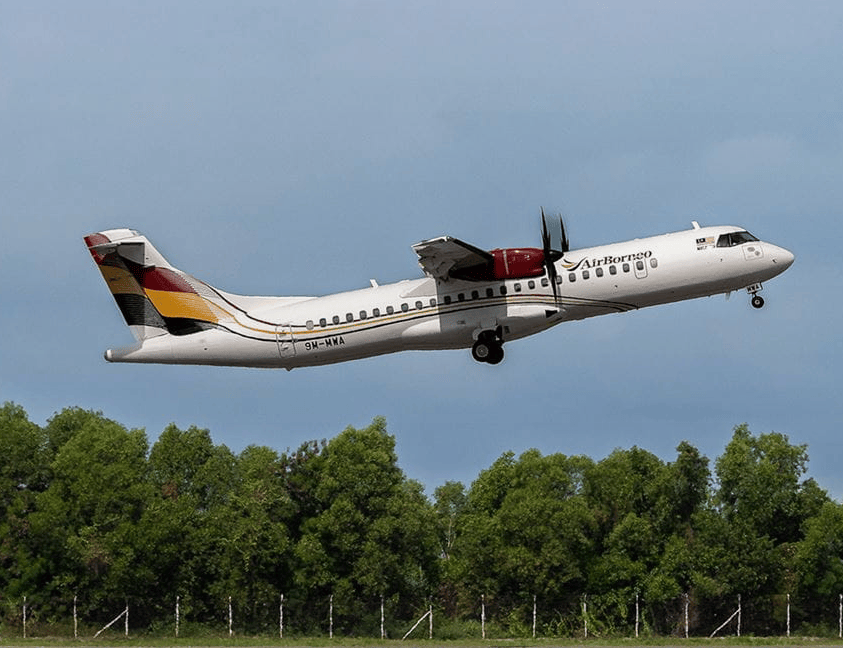
en.Wedoany.com Reported - A Boeing 777-200ER aircraft, modified by NASA, flew three hours from Waco, Texas, arriving at Langley Research Center in Hampton, Virginia, on April 22. The aircraft, registered as N577NA, underwent heavy structural modifications and hardware upgrades at L3Harris Technologies' facility, transforming it from a former commercial passenger jet into a next-generation airborne science laboratory.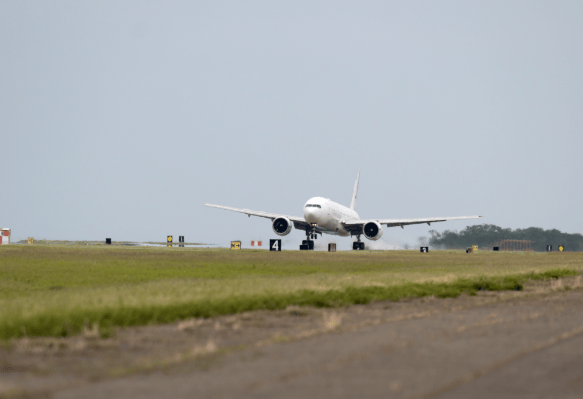
This Boeing 777-200ER rolled off the production line in 2003 and was initially operated by Japan Airlines under the registration JA704J. In May 2020, the aircraft arrived at Southern California Logistics Airport in Victorville, California, for long-term storage until it was acquired by NASA for less than $30 million in December 2022. That same month, the aircraft flew to Langley for initial modifications. Since January 2025, the aircraft has been undergoing extensive hardware and structural upgrades at L3Harris' Waco facility. These upgrades include installing dedicated research workstations and carrying out extensive wiring work to support communication between payload systems and sensors during flight. The aircraft's cabin windows have been enlarged, and open ports have been integrated into the lower fuselage for adding remote sensing instruments.
Compared to the retired Douglas DC-8 aircraft, the Boeing 777-200ER offers enhanced capacity and capability. The aircraft can accommodate up to 50 to 100 onboard personnel, has a payload capacity of 75,000 pounds, and provides a mission endurance of up to 18 hours. Derek Rutovich, Project Manager for NASA Headquarters' Airborne Science Program, stated that this aircraft will become the largest airborne research laboratory in the fleet, collecting data to expand knowledge of the Earth system.
The first scientific mission of the Boeing 777-200ER is scheduled to begin in January 2027, which will investigate high-impact winter weather events, collecting detailed atmospheric observations covering North America, Europe, Greenland, and the Arctic and North Atlantic regions.
This article is compiled by Wedoany. All AI citations must indicate the source as "Wedoany". If there is any infringement or other issues, please notify us promptly, and we will modify or delete it accordingly. Email: news@wedoany.com
Related Products



"Shunyi 1600" Deep-submerging Bottom-sitting Multi-functional Wind Power Engineering Vessel
Zhengli Offshore Engineering Co., Ltd.

Industrial and Commercial Point-Type Gas Detector
Jinan Benan Technology Development Co., Ltd.
XC-6000e Type Aviation Catering Truck (Fuel Type)
Shenzhen CIMC-TianDa Airport Support Ltd.

Pantograph-Catenary Comprehensive Detection Device (1C)
CHENGDU TANGYUAN ELECTRIC CO., LTD.

Wheel and Track Technology Business
Beijing Research & Design Institute of Rubber Industry Co., Ltd.