Iran Faces Water Crisis: Traditional Qanats Abandoned, Drought Intensifies Risk of Water Bankruptcy
Wedoany.com Report on Mar 10th, Iran is facing severe water challenges, with hydrologists warning that the country is rapidly approaching the brink of "water bankruptcy." An article from Yale Environment 360 points out that this crisis is more urgent than external factors such as international sanctions, primarily stemming from long-term mismanagement of water resources and the impacts of climate change.
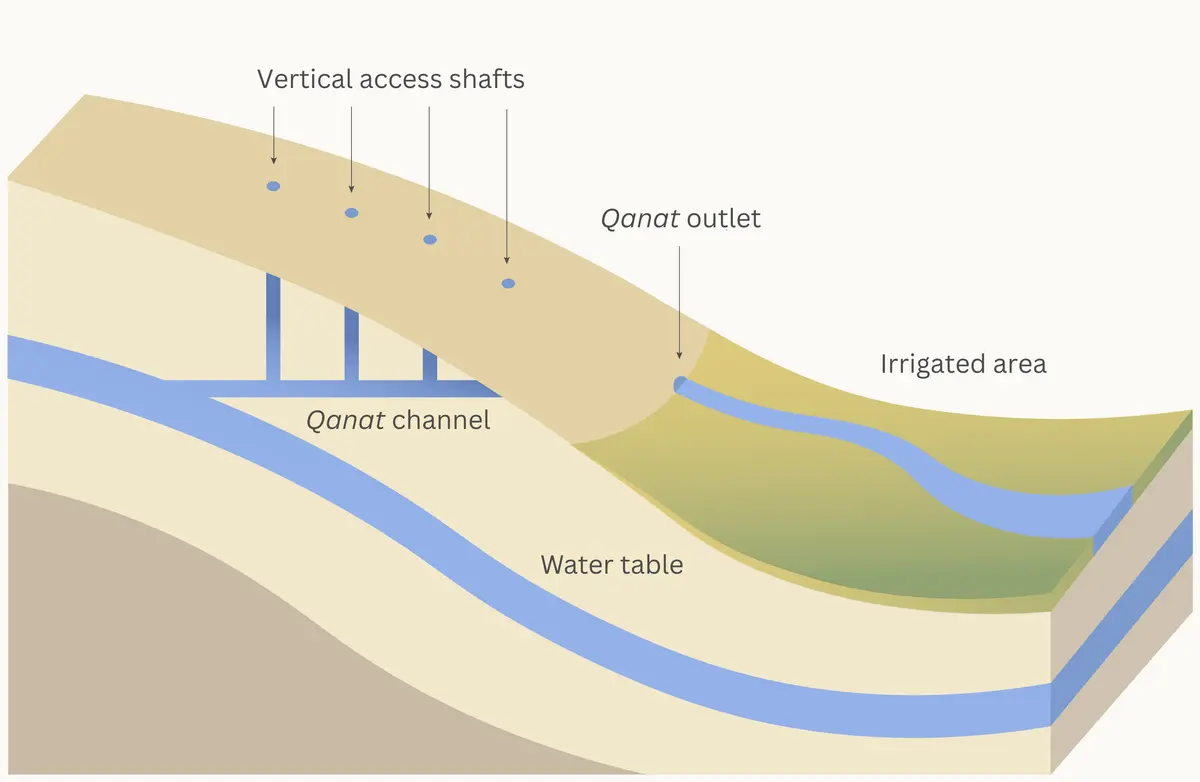
Iran has approximately 70,000 qanats, ancient tunnel systems with a history of over 2,500 years, stretching over 250,000 miles in total length. Qanats transport groundwater via gravity, effectively reducing evaporation losses. However, since the 20th century, Iran has shifted towards building dams and drilling deep wells, leading to the neglect of this traditional system.
Kaveh Madani, former Deputy Minister of Iran's Department of Environment, stated: "The government blames the current crisis on climate change, but Iran's severe water security issues are rooted in decades of disjointed planning and short-sighted management." He estimates that Iran has lost over 210 cubic kilometers of stored water since the early 21st century.
Penelope Mitchell, a geographer at the University of Alabama, notes that Iran was once one of the world's top three dam-building nations, but many dams were constructed on rivers with insufficient flow, ironically exacerbating water loss. Meanwhile, dam construction in Afghanistan has further reduced the water flowing into Iran, threatening water supply in its eastern regions.
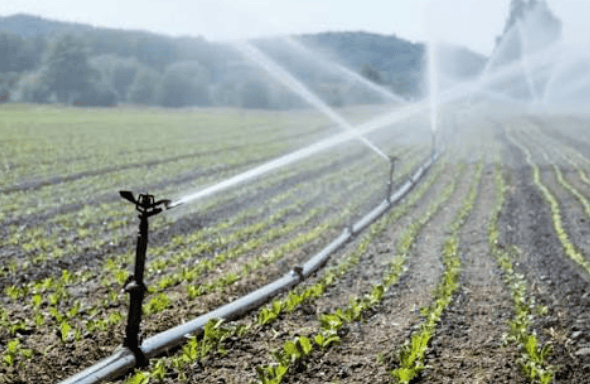
Over the past 40 years, Iran has drilled over one million wells for agricultural irrigation, leading to the over-extraction of aquifers. Research by Richard Taylor, a geographer at University College London, shows that 32 of the world's 50 most over-exploited aquifers are located in Iran, with groundwater levels in some areas dropping by up to 10 feet per year.
As reservoirs dry up and wells fail, Iran's water crisis is worsening. The president recently mentioned considering relocating the capital from Tehran to a more humid southern region. Mohammad Barshan, head of the Kerman Qanat Center, lamented: "History will never forgive what we have done to the qanats."
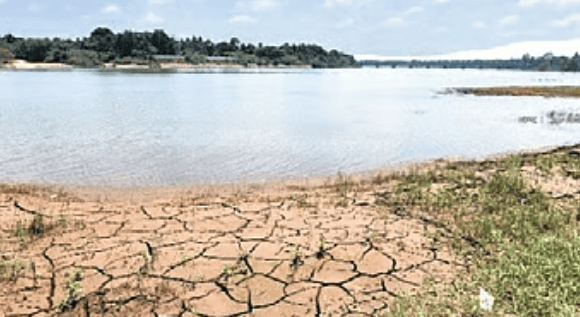
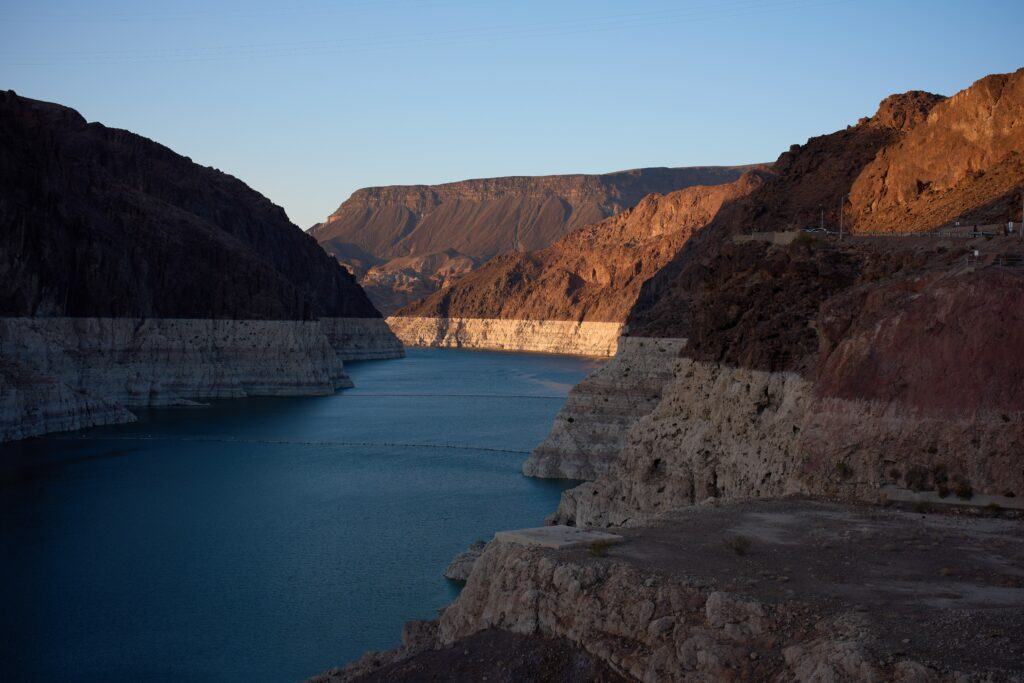
Climate change is intensifying Iran's water woes. Droughts and rising temperatures have reduced winter snowfall, affecting groundwater recharge. Lake Urmia in northwestern Iran was once the region's largest lake, but NASA images in 2023 showed it had almost completely dried up.
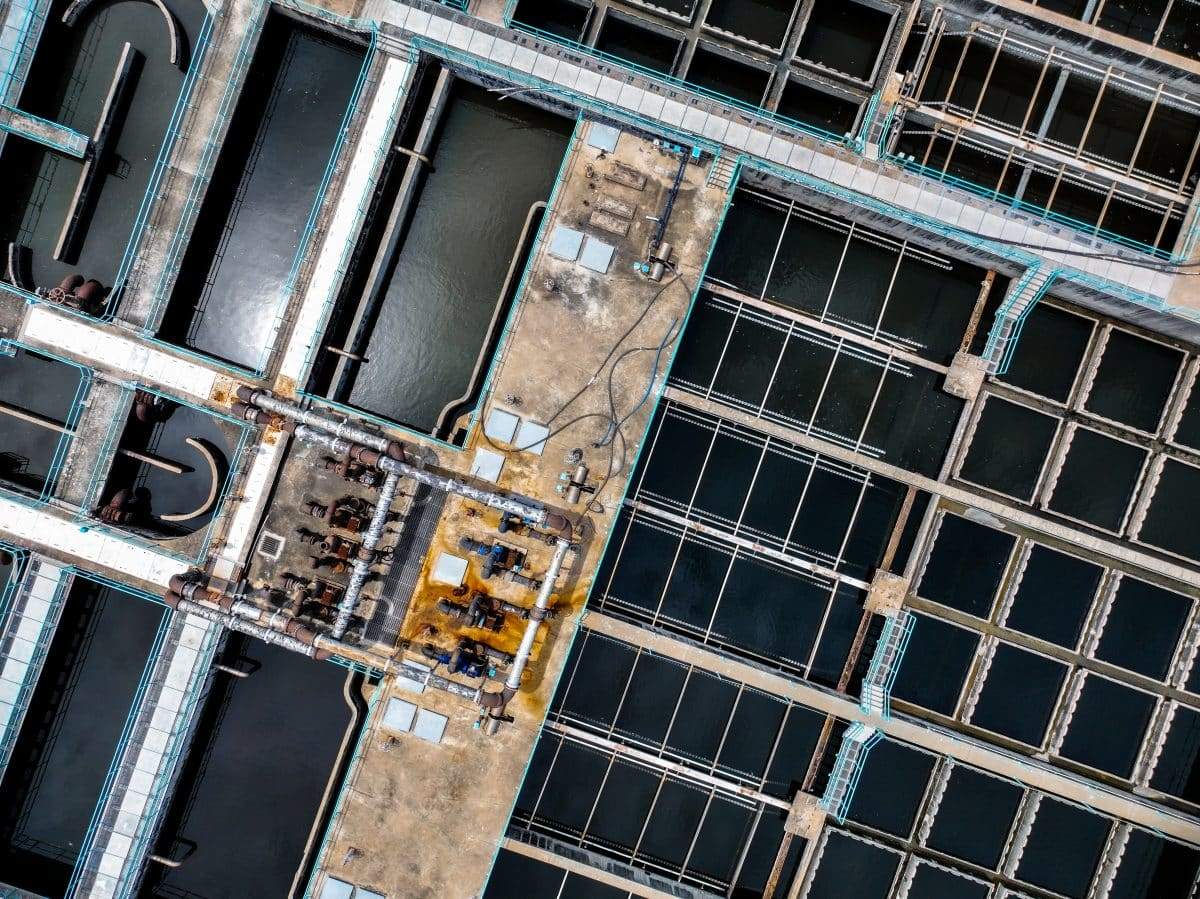
Experts recommend recharging aquifers by collecting flash floods from mountains, but this approach has not been widely adopted. Currently, Iran plans to build a desalination system along the Persian Gulf coast and transport water via pipelines to arid provinces, but the high costs limit its application in agriculture.
Water is crucial for modern civilization, and Iran's water crisis highlights the importance of sustainable management. Regardless of changes in regional dynamics, ensuring water security remains a fundamental need.
Related Products


4HS-8 High-efficiency Peanut Inverted-laying Harvester
Hebei Yongfa Hongtian Agricultural Machinery Manufacturing Co., Ltd.


Industrial and Commercial Point-Type Gas Detector
Jinan Benan Technology Development Co., Ltd.



714CD Series C-Band Weather Radar
Chengdu Zhongdian Jinjiang Information Industry Co., Ltd.