Century Yuasa Batteries - Local Manufacturing of DC Power Systems in Australia Enhances Reliability of Critical Infrastructure
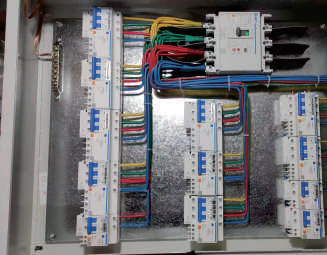
Wedoany.com Report on Mar 10th, Australia's critical infrastructure networks have long faced challenges such as high temperatures, remote sites, and long operational cycles, placing stringent demands on the DC power systems that support system protection, control, and operational continuity. Traditional imported equipment, due to long lead times, insufficient configuration flexibility, and low testing transparency, complicates planning and maintenance, potentially leading to risks in system safety, compliance, and service continuity.
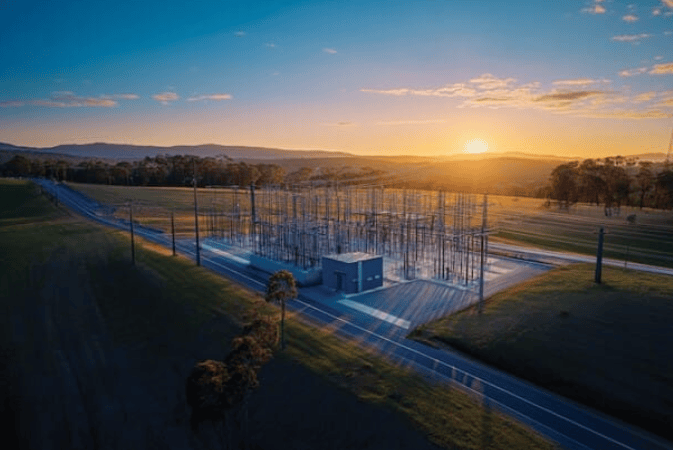
To address this challenge, local manufacturing capabilities in Australia are becoming a core means of risk control for critical infrastructure. The DC power systems launched by local enterprises ensure a high degree of alignment with on-site conditions and network standards by strengthening specification control, compliance verification, and documentation management. Their engineering teams are involved throughout the design, testing, and commissioning phases, and conduct Factory Acceptance Tests in accordance with Australian standards, providing written proof of pre-delivery configuration confirmation. This significantly reduces integration risks and enhances commissioning predictability.
Long-term reliability depends on full lifecycle management, including precise specification development, standardized installation, regular maintenance, and condition assessment. The service capabilities of local manufacturing span the entire system lifecycle, providing support from design to maintenance and replacement. Particularly for remote or unmanned sites, regular inspections and tests help identify equipment degradation in advance, providing data support for asset management decisions. With the deployment of next-generation Valve-Regulated Lead-Acid (VRLA) battery technology, market demand for long-life backup performance and protection integrity continues to rise. This drives deep synergy between DC system design life and asset lifecycle, reduces intervention frequency, and optimizes full-cycle strategies, highlighting the unique advantages of local manufacturing in adapting to complex environments.
Related Products

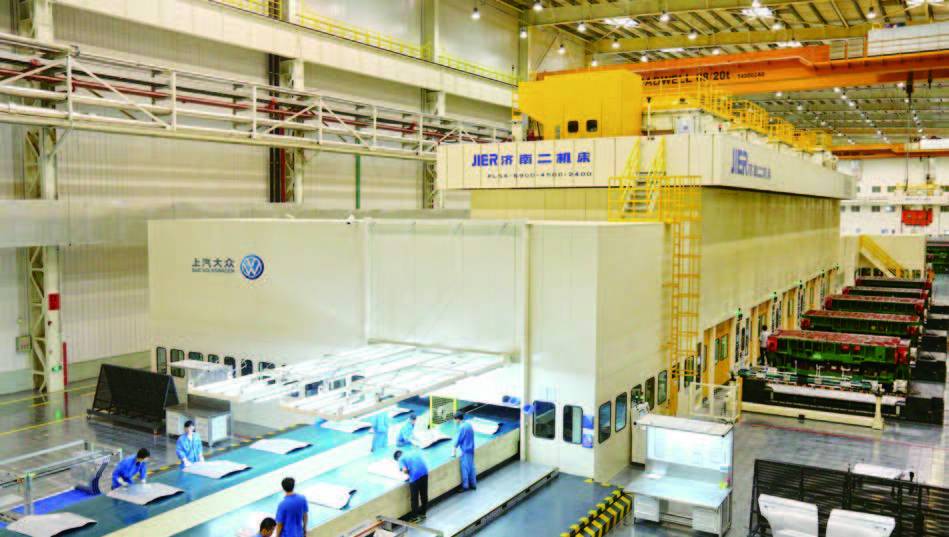
High-Speed Flexible Fully Automatic Stamping Production Line
JIER Machine-Tool Group Co., Ltd.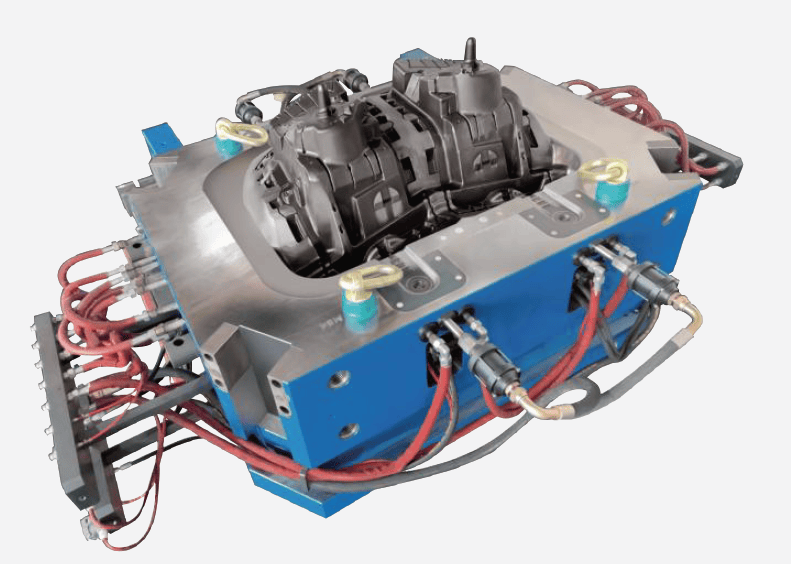
Aluminum-Magnesium Alloy High-Pressure Die-Casting Molds
NINGBO HELI TECHNOLOGY CO., LTD.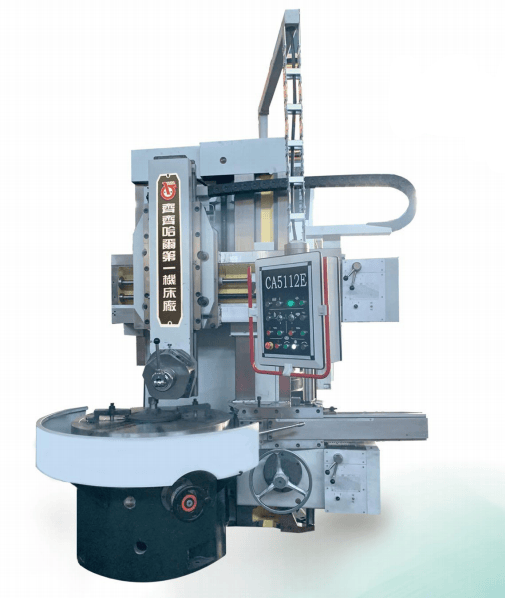
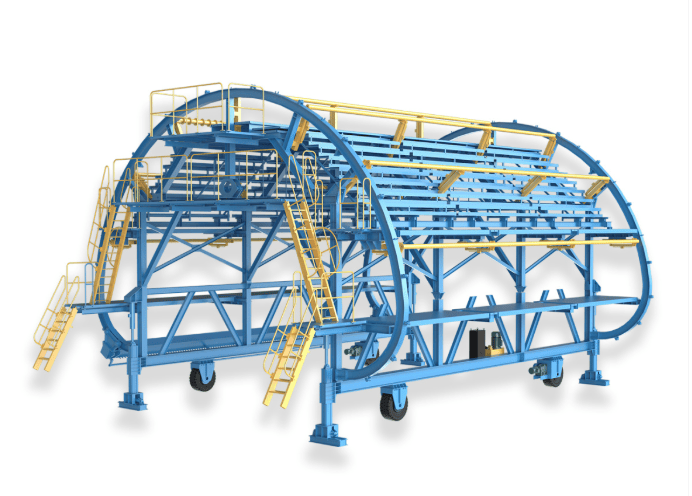
QLZNGJ Intelligent Steel Reinforcement Trolley
Luoyang China Railway Qiangli Machinery Co., Ltd.
Strip Coating and Plating Production Line Equipment
MCC-SFRE HEAVY INDUSTRY EQUIPMENT CO., LTD.
Standard Nozzle Flowmeter
Jinggong Automatic Control Instrument Complete Technology Development Company