Wedoany.com Report on Mar 10th, The International Atomic Energy Agency (IAEA) recently conducted a training program in Monaco, guiding young researchers to assess the combined effects of multiple ocean stressors, in order to address environmental challenges.
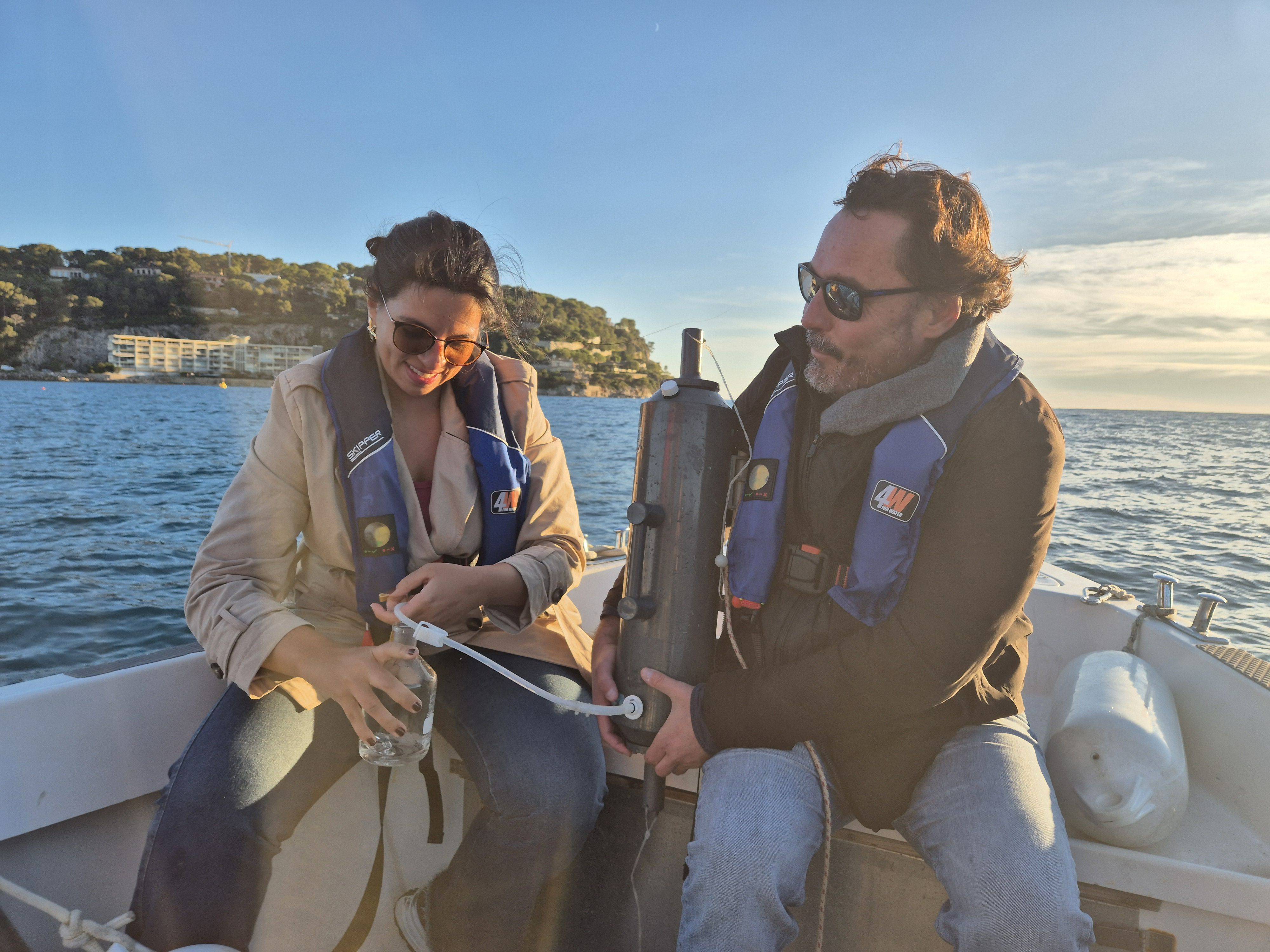
Marine biodiversity is facing dual pressures from environmental change and increasing pollution. To help countries tackle these compound threats, the IAEA, through its Ocean Acidification International Coordination Centre, is providing young scientists with cutting-edge skills to study the issue of multiple stressors facing the oceans.
The third Winter School on Ocean Acidification and Multiple Stressors was held from November 24 to December 5, 2025, at the IAEA's Marine Environment Laboratories in Monaco, training 14 young scientists from around the world. The curriculum covered core concepts and advanced techniques for assessing the impacts of multiple stressors on environmental change.
The oceans face multiple stressors such as acidification, warming, and pollution, which collectively threaten biodiversity and food security. Understanding their combined effects is crucial for developing effective response strategies. Lina Hansson, Deputy Programme Management Officer at the IAEA, stated: "Ocean acidification does not occur in isolation, but expertise in studying multiple stressors is often lacking. The capacity-building projects of the Ocean Acidification International Coordination Centre play a significant role in expanding this knowledge base."
During the two-week training, participants mastered best practices in experimental design and applied them in practical research, exploring the combined effects of ocean acidification, warming, and lithium pollution on the reproduction of Mediterranean sea urchins. They also visited the Laboratoire d'Océanographie de Villefranche (LOV) in France, receiving hands-on guidance on seawater chemistry monitoring and exchanging ideas with experts from the Centre Scientifique de Monaco. The course emphasized science communication and community engagement, with lectures exploring principles of research design that integrate local traditional knowledge.
Steeve Comeau, Research Scientist at the Laboratoire d'Océanographie de Villefranche, pointed out: "The Mediterranean Sea is severely impacted by multiple stressors. Record-breaking marine heatwaves, combined with pollution and acidification, have led to mass mortality of key species. Training this generation of scientists in multifaceted experimental approaches is essential for predicting future impacts." The participants' research spanned diverse ecosystems from Caribbean coral reefs to Patagonian shellfish habitats, and they presented plans for applying their new skills in their home countries at the end of the course.
Emma Pontes, a young researcher from the United States studying Caribbean coral reefs in South Florida, said: "I gained a deeper understanding of experimental design practices to address complex multiple stressor issues. I will rethink my approaches to optimize experiments." The IAEA, through its Technical Cooperation Programme, continues to strengthen global capacity, generating actionable data and scientific knowledge to support policymakers in protecting marine ecosystems and associated communities.
The Winter School is held annually in collaboration with the Prince Albert II of Monaco Foundation as part of the Ocean Acidification and Other Ocean Changes Initiative, and in cooperation with scientists from the Laboratoire d'Océanographie de Villefranche and the Scientific Committee on Oceanic Research project "Biological System in a Changing Ocean".
Related Products

Quick-Change Single-Seat Control Valve / Quick-Change High-Pressure Single-Seat Control Valve
Beijing Consen Automation Technology Co., Ltd.


Mineral-insulated Compact Busway (Fire-resistant Busduct)
Zhuhai Guangle Electric Busway Co., Ltd.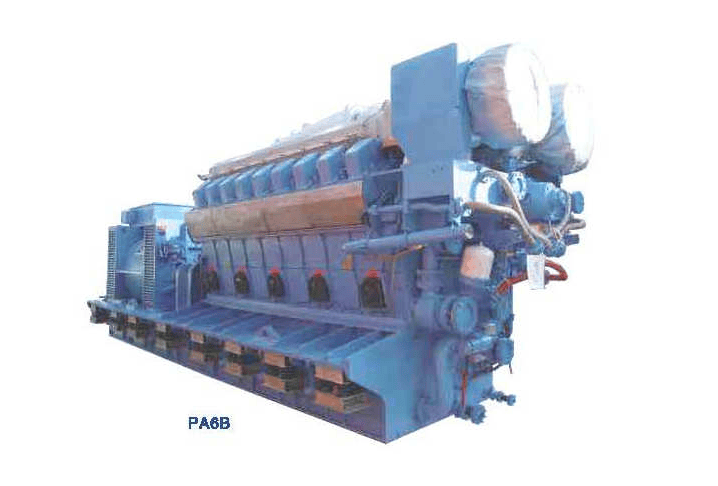
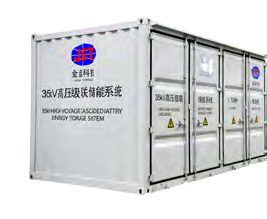
6kV-35kV Medium and High Voltage Direct-Connected Energy Storage System
Hainan Jinpan Smart Technology Co., Ltd.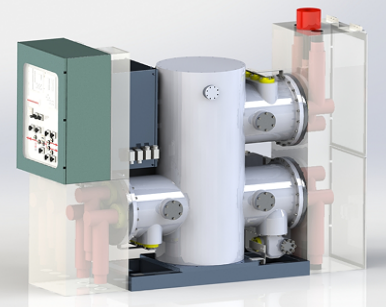
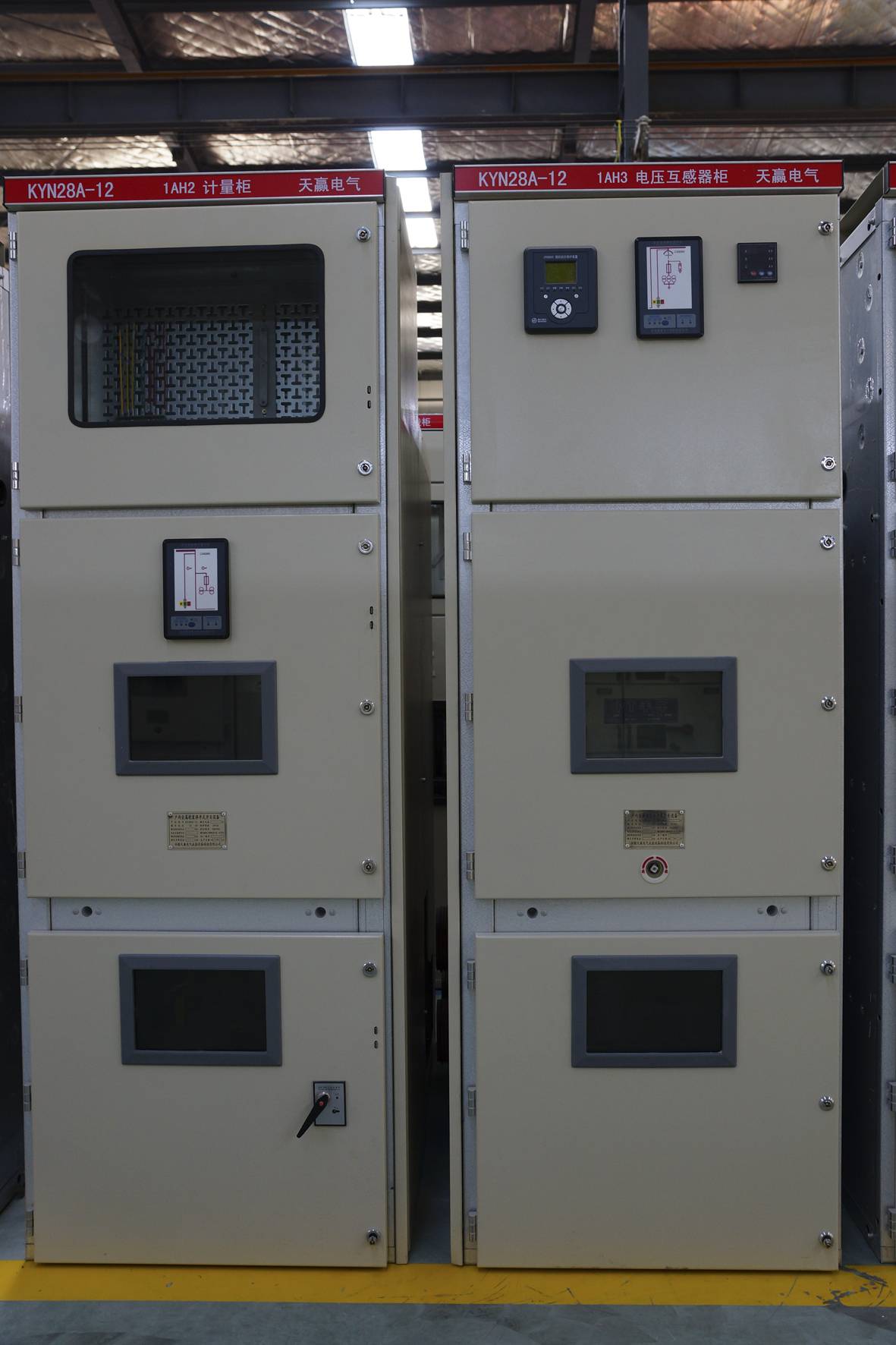
KYN28 - High Voltage Switchgear
Anhui Tianying Electrical Equipment Manufacturing Co., Ltd.
Pneumatic high-pressure wear-resistant ball valve
Zhejiang Deca Control Valve Meter Co., Ltd.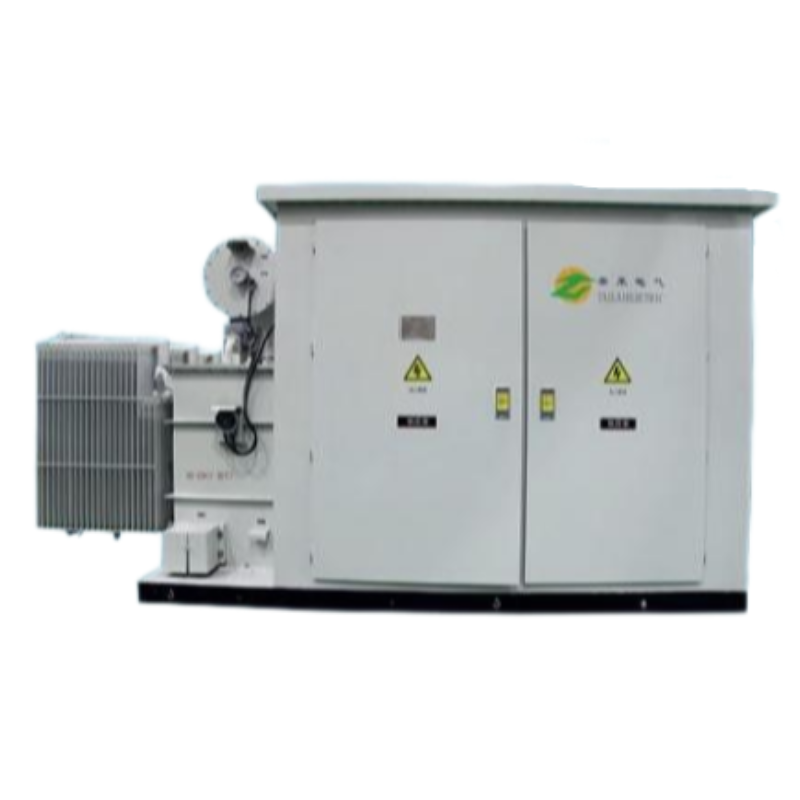
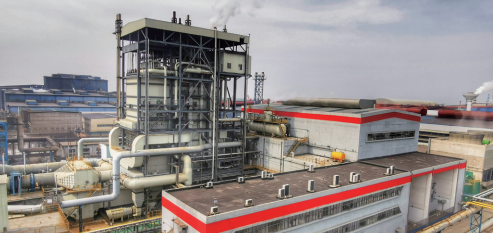
Jiujiang Pinggang 125MW Subcritical Gas Power Generation Project
Capital Engineering & Research Incorporation Limited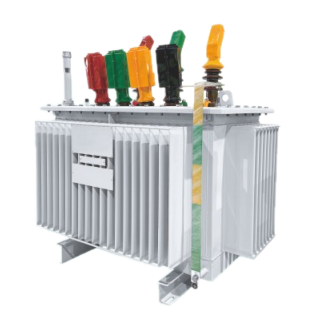
IS(B)□-M·RL Series Oil-immersed 3D Transformer (Planar / 3D Wound Core)
Guangdong Kehua Electric Power Technology Co., Ltd.