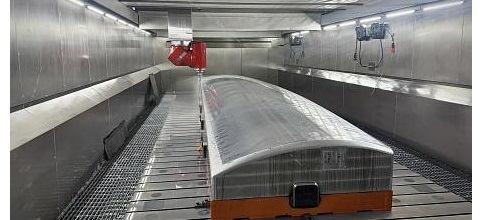
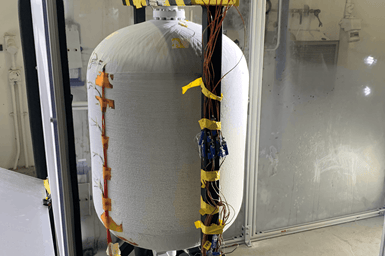
Wedoany.com Report on Mar 10th, The BMW Group is consolidating its additive manufacturing centers with the aim of significantly expanding the industrial application scope of 3D printing technology within the Group. Under the leadership of Timo Göbel, the technology will be opened up for various materials, automation levels will be enhanced, and it will be more closely integrated into existing production processes. The focus has shifted from prototyping to the entire vehicle lifecycle, covering early development, series production, after-sales service, and factory auxiliary tools.
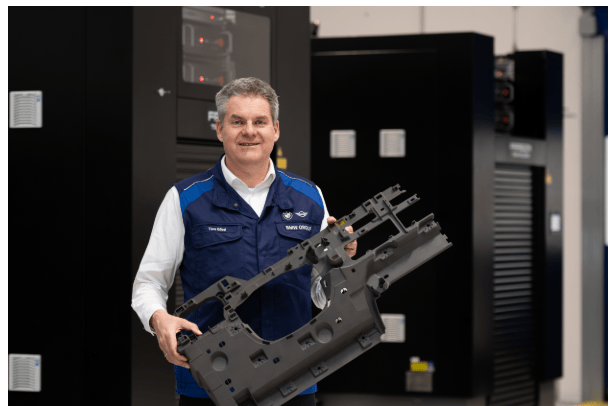
Additive manufacturing has been applied in multiple business areas of BMW for many years. 3D-printed components are used in vehicles from MINI, BMW, Rolls-Royce, and BMW Motorrad. Within production systems, this technology is also used for temporarily needed fixtures, tools, or auxiliary components. Göbel points out: "Especially decentralized applications within factories are growing rapidly. This allows for faster process adjustments and obtaining components without relying on traditional tool chains."
Technologically, the BMW Group relies on automated and digitally networked process chains, open interfaces, and a system architecture open to various materials. Projects like IDAM and POLYLINE have laid the foundation for additive manufacturing. In the metal sector, core elements of IDAM have been integrated into the additive manufacturing center's infrastructure, and a new generation of metal 3D printers is about to be launched. Simultaneously, BMW is testing other processes, such as Wire Arc Additive Manufacturing (WAAM) for large structural components. In the plastics sector, the Group has procured systems suitable for both mass production and customized needs.
Göbel states: "Additive manufacturing is now firmly integrated into all phases of the BMW Group's product lifecycle." In the future, larger components with higher functional requirements will be produced in shorter timeframes. This is crucial for development and testing, as current component quality already supports dynamic functional tests and crash tests. BMW plans to start series production of the first WAAM components in 2027, positioning the center as a key hub for the industrialization of 3D printing in automotive engineering.
Related Products
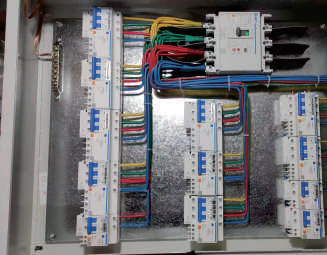


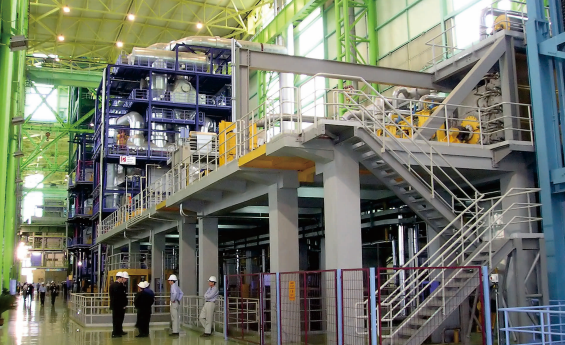
Strip Coating and Plating Production Line Equipment
MCC-SFRE HEAVY INDUSTRY EQUIPMENT CO., LTD.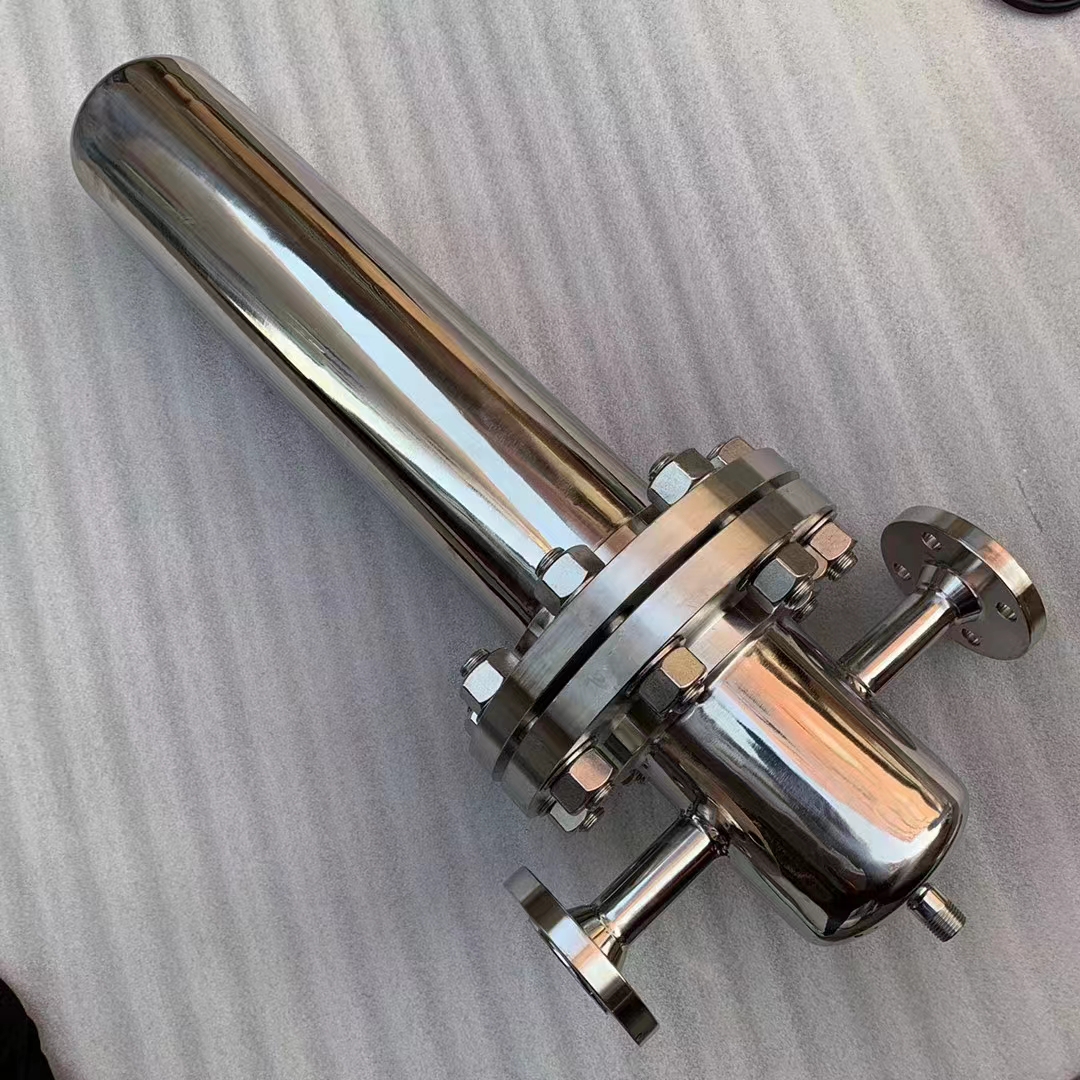
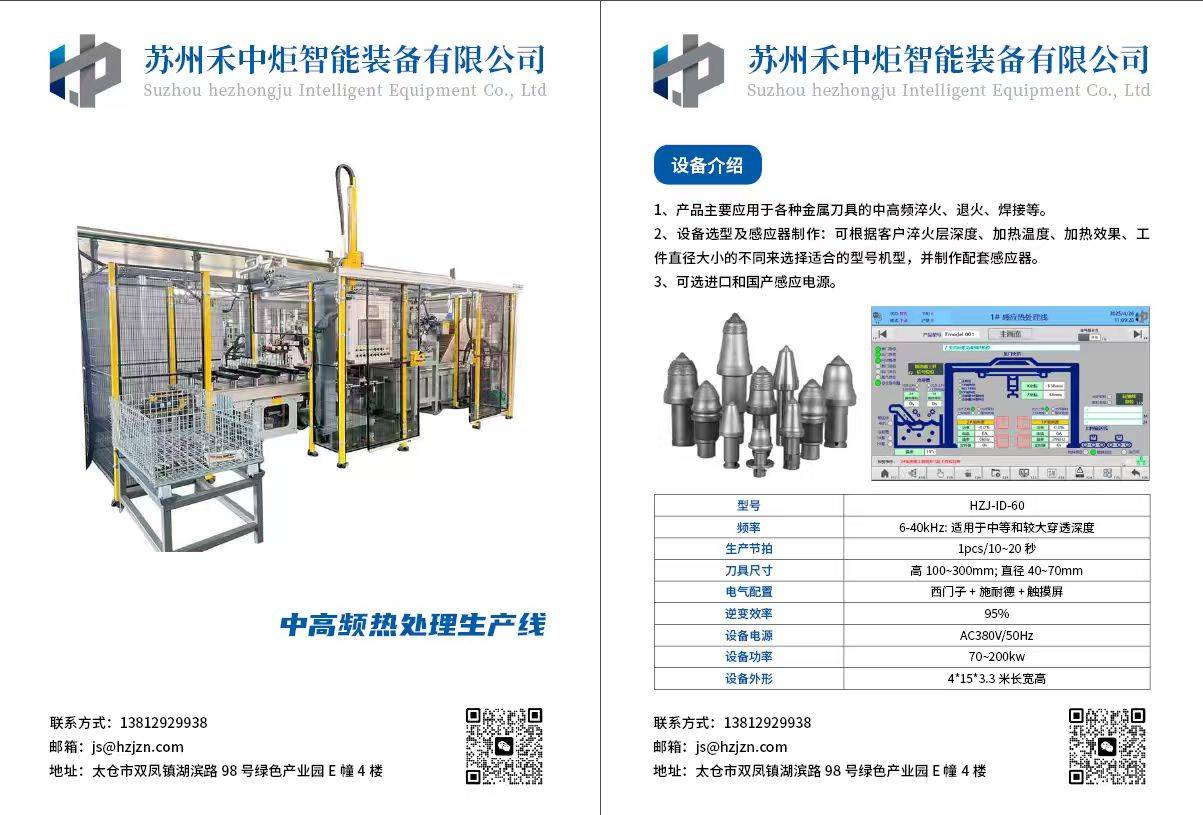
Excavator Bucket Teeth Heat Treatment Production Line
Suzhou Hezhongju Intelligent Equipment Co., Ltd.

Standard Nozzle Flowmeter
Jinggong Automatic Control Instrument Complete Technology Development Company