Blue Energy USA: Global Nuclear Power Expansion Faces Cost Overruns and Delivery Model Challenges
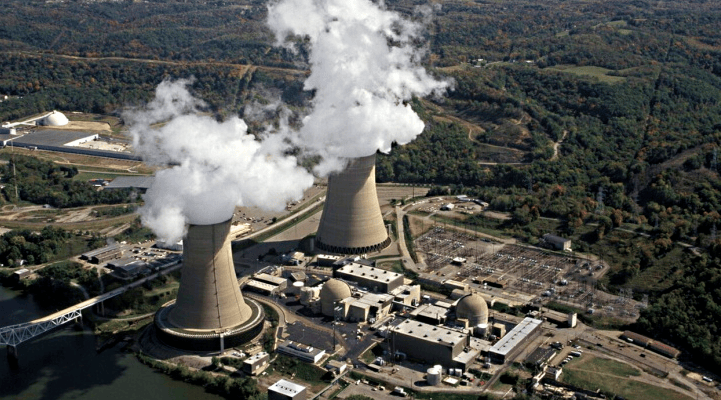
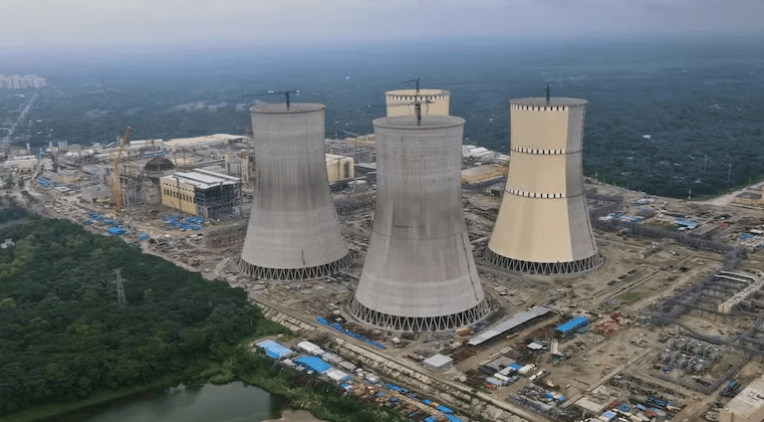
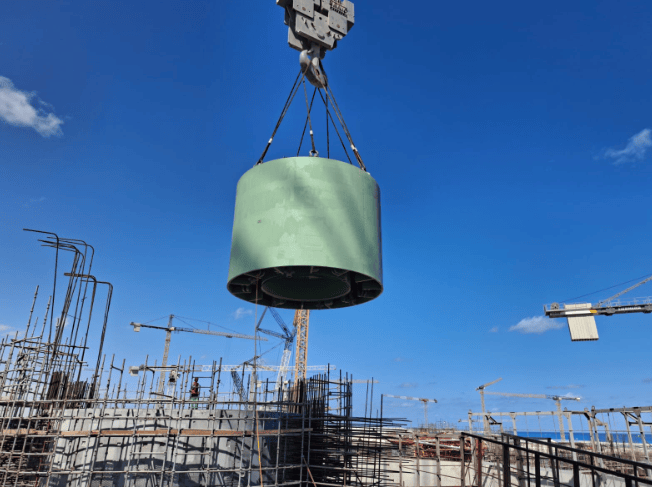
Wedoany.com Report on Mar 13th, Nuclear power technology is quite mature and capable of providing stable electricity on a large scale, but its global expansion faces significant obstacles. The core issue lies in the way nuclear power plants are built, not the technology itself. Nuclear power construction has historically been plagued by cost overruns and project delays, with actual expenditures often exceeding the initial budget by more than double, making it one of the power generation technologies with the largest average cost overruns globally.
Recent cases highlight the severity of nuclear power cost overruns. In South Carolina, USA, the V.C. Summer nuclear plant expansion project saw its estimated cost rise from about $10 billion to over $25 billion. It was ultimately abandoned in 2017, having already spent over $9 billion, with customers left to pay for a site from which they never benefited.
In the UK, the Hinkley Point C nuclear power station was approved in 2016 with an estimated cost of £18 billion (approximately $24.7 billion), but the projected cost has now risen to over £40 billion (approximately $54.8 billion). This kind of overrun shifts the risk onto taxpayers and consumers, weakening the incentive for construction companies to control costs.
This creates a vicious cycle that harms the nuclear industry. When taxpayers bear the costs, public support becomes difficult to increase, and innovation in delivery models is hindered. Political pressure increases, project management uncertainty rises, and each new project is perceived as riskier, driving up financing costs, slowing approvals, and limiting deployment.
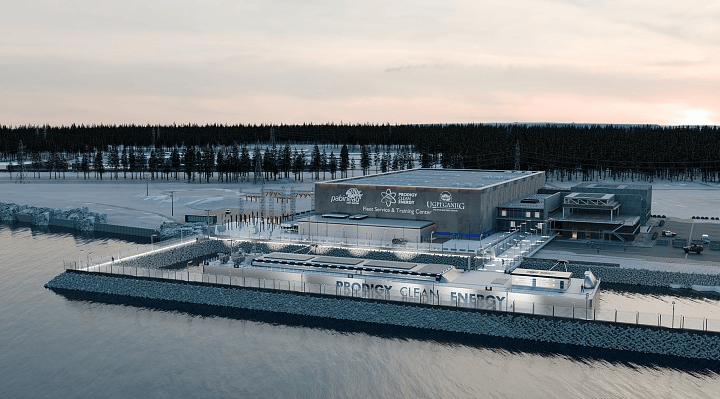
Nuclear power projects should move away from bespoke mega-engineering and instead adopt standardized forms, off-site prefabrication, and fixed-price contracts. Blue Energy is designing nuclear power plants to be built using repeatable processes and mature supply chains in existing manufacturing facilities, aiming to achieve fixed pricing and remove risk from consumers and taxpayers.
The main barrier to the global expansion of nuclear power is the delivery and contracting models that erode accountability and trust. By learning from proven methods in industries such as oil and gas, liquefied natural gas, and offshore wind power, trust in capital markets and the public can be rebuilt, allowing nuclear power to scale at the pace required by civilization's needs.
Related Products


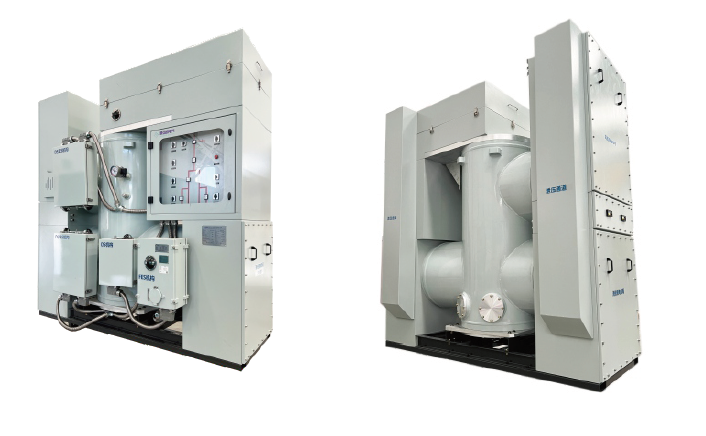
72.5kV 1250A 31.5kA SF6 free Gas-insulated Metal-enclosed Switchgear
Zhejiang Juhonkia Intelligent Electric Co., Ltd.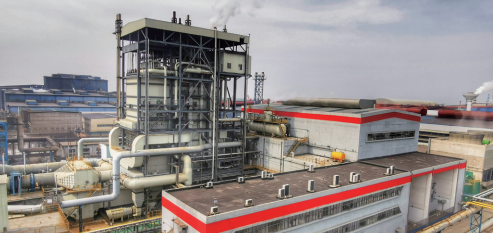
Jiujiang Pinggang 125MW Subcritical Gas Power Generation Project
Capital Engineering & Research Incorporation Limited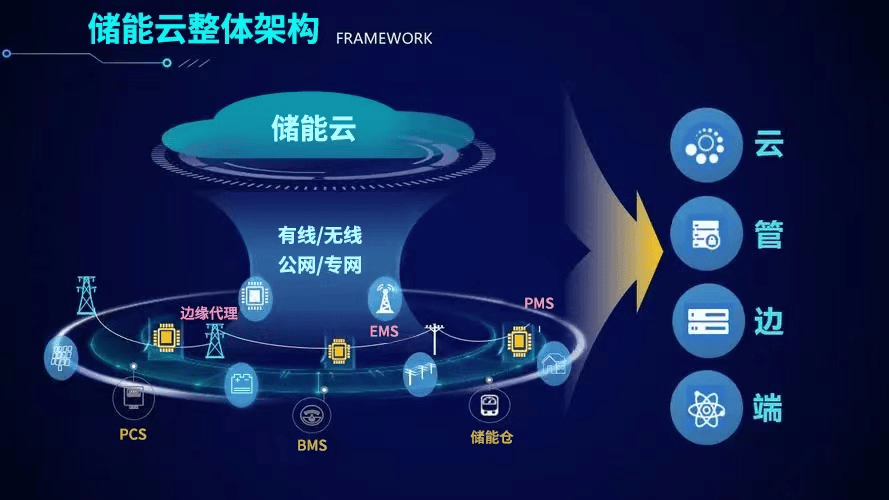
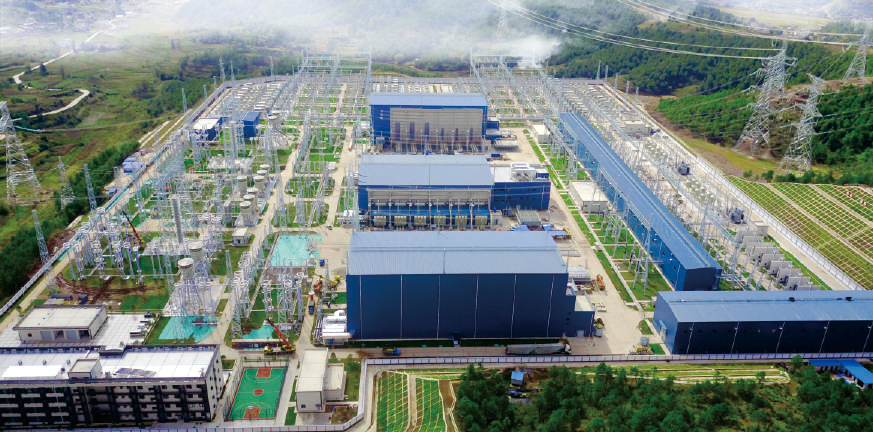
High-voltage Direct Current (HVDC) Transmission System Research and Integrated Design
XI'AN XD POWER SYSTEMS CO., LTD.
Bidirectional Metal Hard Sealed Seawater Butterfly Valve
Henan Quanshun Flow Control Science & Technology Co., Ltd.