Indian Parliamentary Committee Proposes Green Ammonia in Fertilizer Production to Reduce Import Dependence
Wedoany.com Report on Mar 16th, The Standing Committee on Chemicals and Fertilizers of the Indian Parliament recently called on the government to formulate a detailed plan for the gradual adoption of green ammonia in the production of urea, DAP, and NPK. The committee suggested that the strategy should specify concrete targets for each plant, investment plans, technological collaboration, and subsidy support. This proposal comes against the backdrop of India's urea imports expected to reach a new high in the 2025-26 fiscal year. In the first 11 months of this fiscal year, 9.8 million tonnes have already been imported, with total arrivals expected to be around 1.7 million tonnes by May 31, potentially surpassing the record of 9.828 million tonnes set in 2020-21.
In its report on Demand for Grants, the committee noted that the National Green Hydrogen Mission presents an opportunity to reduce the fertilizer sector's dependence on imported natural gas. India consumes 1.7-1.9 million tonnes of ammonia annually, primarily relying on natural gas, making it vulnerable to global price fluctuations. Although green hydrogen transition plans have secured contracts for 724,000 tonnes of green ammonia per year for 13 fertilizer plants, a long-term integration roadmap has yet to be finalized. Committee Chairman Kirti Azad suggested that the Department of Fertilizers collaborate with the Ministry of New and Renewable Energy to mitigate LNG import risks and support climate goals.
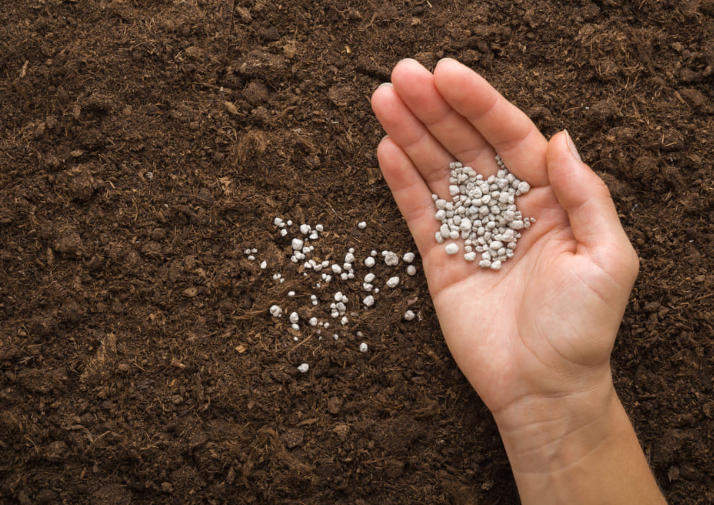
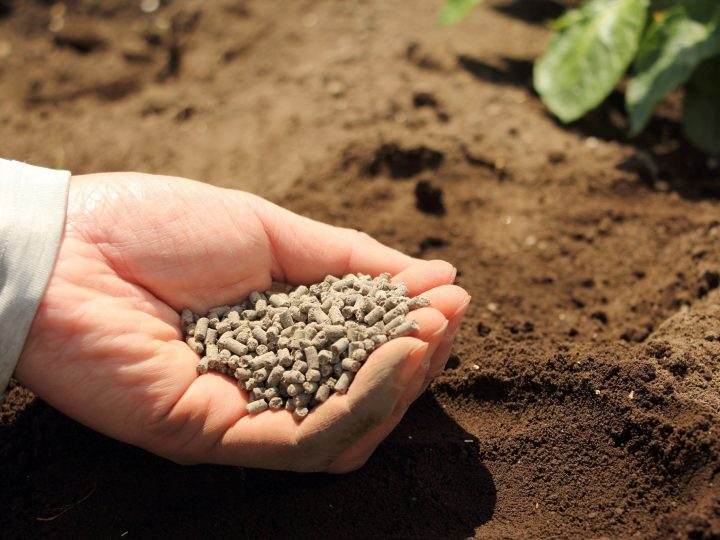
The report also highlighted India's severe import dependence on raw materials, with domestic supply meeting only 10% of phosphate rock demand, potash fertilizer almost entirely imported, and sulfur supply insufficient. The committee recommended establishing a Fertilizer Supply Security Fund to maintain strategic stockpiles of critical raw materials and adjusting the nutrient-based subsidy framework to an automatic price-linked mechanism to encourage private sector imports. Domestic urea production increased from 2.39 million tonnes in 2018-19 to 3.07 million tonnes in 2024-25, and phosphate fertilizer production rose from 1.75 million tonnes to 2.14 million tonnes. However, India still imports 25% of its urea, 90% of its phosphate fertilizers, and 100% of its potash fertilizers.
With domestic demand for phosphate and potash fertilizers projected to increase to 3.05 million tonnes by 2035-36, seven companies are constructing capacity for 5.965 million tonnes of finished fertilizers and 4.421 million tonnes of intermediate products. These projects, expected to come online between 2028 and 2030, are seen as crucial measures to enhance domestic supply and reduce import dependence.
Related Products

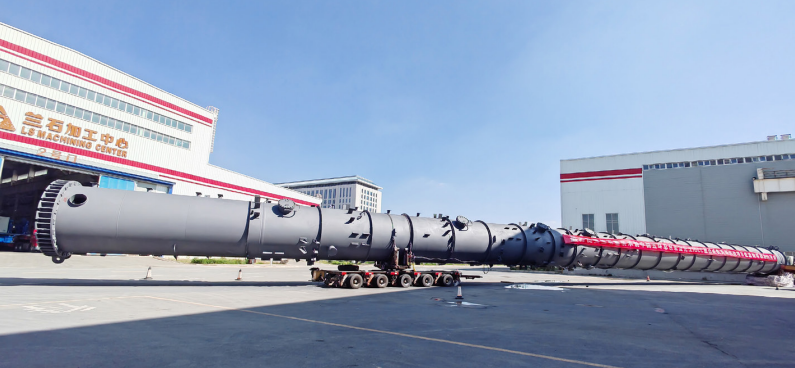
Steel Plates for Chemical Pressure Equipment
Gansu JISCO Group Hongxing Iron and Steel Co., Ltd.
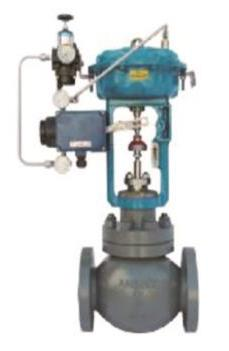
Quick-Change Single-Seat Control Valve / Quick-Change High-Pressure Single-Seat Control Valve
Beijing Consen Automation Technology Co., Ltd.
CAP1400 main feedwater flow nozzle flowmeter.
Jiangsu Hongda Instrument Technology Co., LTD.