India's Agricultural Transformation: Biofertilizers Enhance Soil Health and Crop Yield
Wedoany.com Report on Mar 16th, Indian agriculture is facing the challenge of soil degradation, with years of reliance on synthetic fertilizers leading to a decline in soil vitality. To address this issue, biofertilizers have become a key solution, helping farmers improve productivity and restore land health. According to an assessment by the Indian Council of Agricultural Research, nearly 147 million hectares of land are affected by degradation, with organic carbon levels below 0.5%, impacting biological activity.
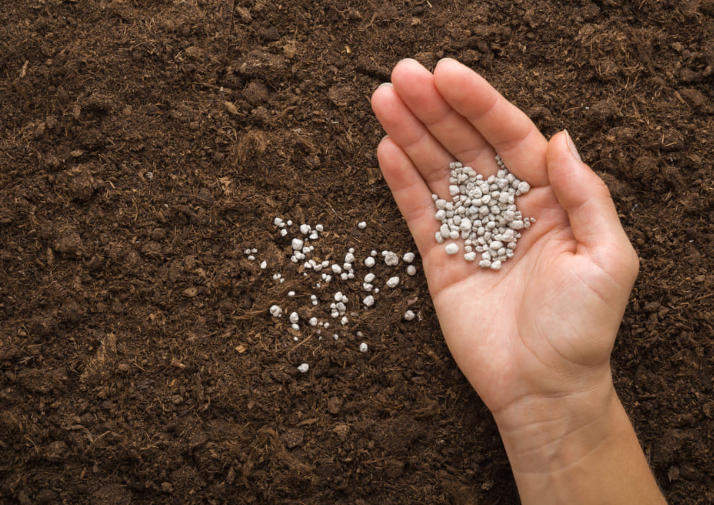
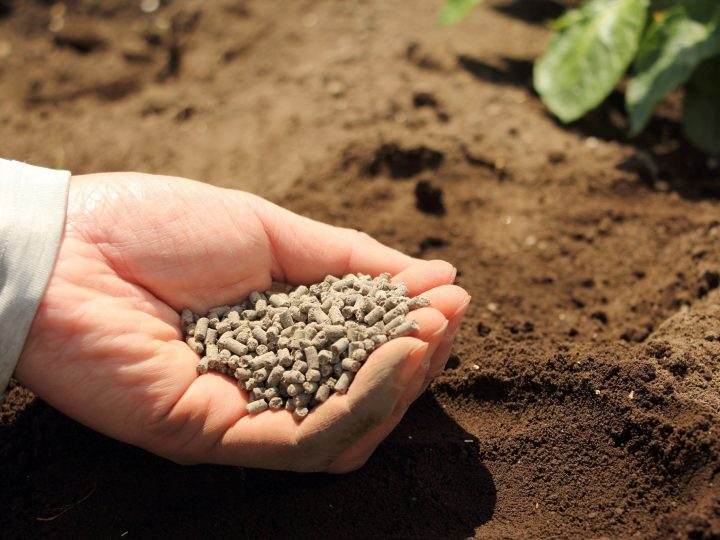
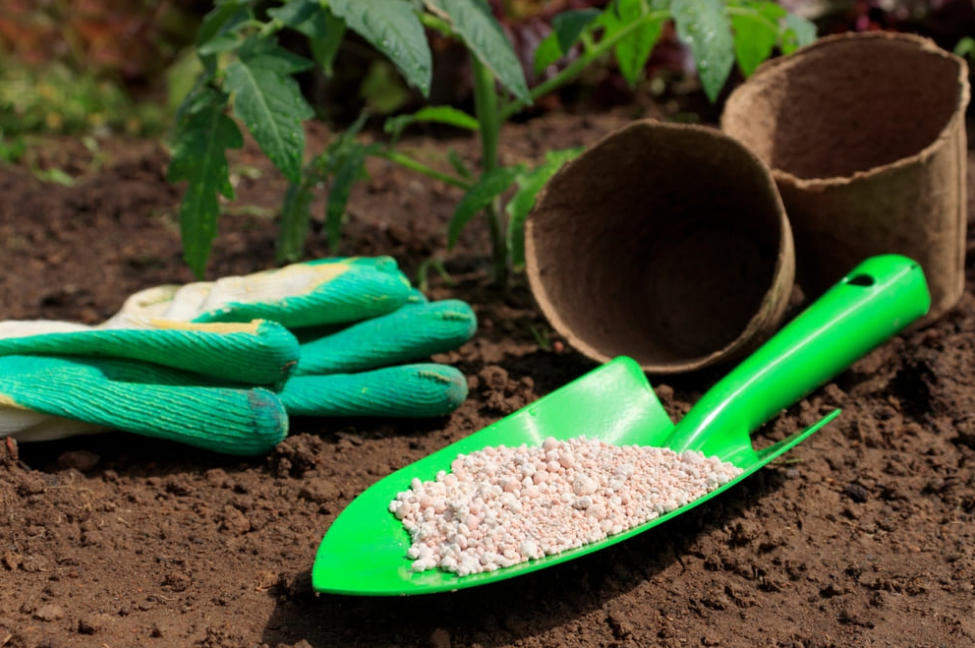
Biofertilizers utilize microorganisms such as rhizobia and azotobacter to convert atmospheric and soil elements into nutrients available to plants, improving soil structure and enhancing water retention capacity. Field trials show that systematic use of biofertilizers can increase crop yields by 20-30%, with particularly significant effects on horticultural crops and legumes.
The Indian government supports the development of biological agents through the PM-PRANAM scheme, aiming to reduce the fertilizer subsidy burden and build sustainable agricultural infrastructure. India's biofertilizer market is valued at approximately $153 million and is expected to grow at a compound annual growth rate of 12-16% by 2033. The organic food market is projected to reach $3.21 billion by 2031.
The shift towards biofertilizers fosters a more resilient agricultural ecosystem capable of withstanding adverse weather and soil management issues. The future of Indian agriculture will increasingly focus on the intelligent integration of biological agents to ensure sustainable harvests and food security.
Related Products
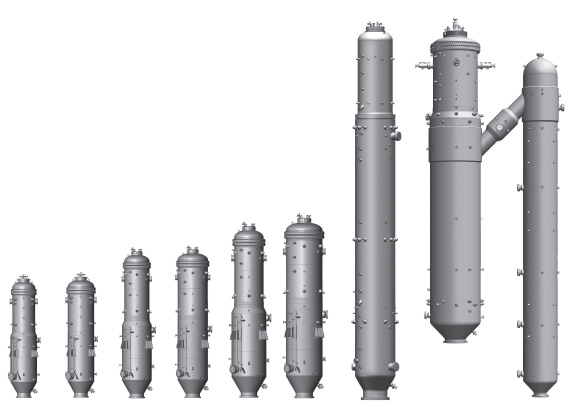

Gasification Furnace Series: Freely Combinable Aerospace Furnace
CHANGZHENG ENGLINEERING CO., LTD.
New Environmentally Friendly Green Potassium Salt Collector
Chonfar Engineering and Technology Co., Ltd.
Industrial and Commercial Point-Type Gas Detector
Jinan Benan Technology Development Co., Ltd.

CAP1400 main feedwater flow nozzle flowmeter.
Jiangsu Hongda Instrument Technology Co., LTD.
Quick-Change Single-Seat Control Valve / Quick-Change High-Pressure Single-Seat Control Valve
Beijing Consen Automation Technology Co., Ltd.