German Rauschert Standardizes Injection Molding Automation with WITTMANN Linear Robots
Wedoany.com Report on Mar 16th, The Paul Rauschert Steinbach GmbH plant in Steinbach am Wald, southern Germany, is boosting injection molding efficiency through standardized automation cells. The plant produces complex plug components for automotive air suspension systems, with an annual output of 600,000 units. These parts are made from glass fiber-reinforced polyamide and are produced on a 100-ton injection molding machine using a 1+1 cavity mold.

As a 125-year-old family-owned company, Rauschert operates two plants in Germany, with products covering household, heating, electrical, and automotive sectors. Among the 28 injection molding machines at the Steinbach plant, the 14 most recently purchased ones are equipped with standardized automation cells centered on WITTMANN W828 linear robots. Rauschert Purchasing Manager Udo Jakob stated: "We designed and built these cells ourselves. Standardization makes the installation of automation systems faster."
The automation cell includes the robot's work area, automation station, feeding unit, and discharge conveyor belt, capable of handling various tasks from manual part removal to fully automatic insert operations. Rauschert Maintenance Manager Alexander Förtsch noted: "Now everything is possible." In the production process for plugs used in vehicle air suspension systems, the W828 linear robot demolds the housing and transfers it downstream for processing, where pins are fused with the housing and undergo 100% inspection.
Rauschert CIP Manager for Molded Plastic Parts, Manuel Rommel, emphasized: "The openness of the WITTMANN system is its special feature. Only WITTMANN can provide this integrated solution without requiring additional control equipment." The plant uses over 300 molds, with production quantities ranging from 500 to 3 million pieces, requiring high flexibility. The standardized automation system supports "plug-and-play" backup options, ensuring continuous delivery capability.
Setup times have been significantly reduced, allowing for four to five setups per shift. Förtsch added: "After the standardized automation cell is started, night shifts can also begin new batch production; the setup operator only needs to load the program." Compared to the six-arm robots previously used, the linear robots are more intuitive and faster to operate. The standardization project has increased production flexibility and quality consistency while optimizing energy use. Rauschert is planning to calculate the carbon footprint of each plastic product to enhance competitiveness.
Related Products
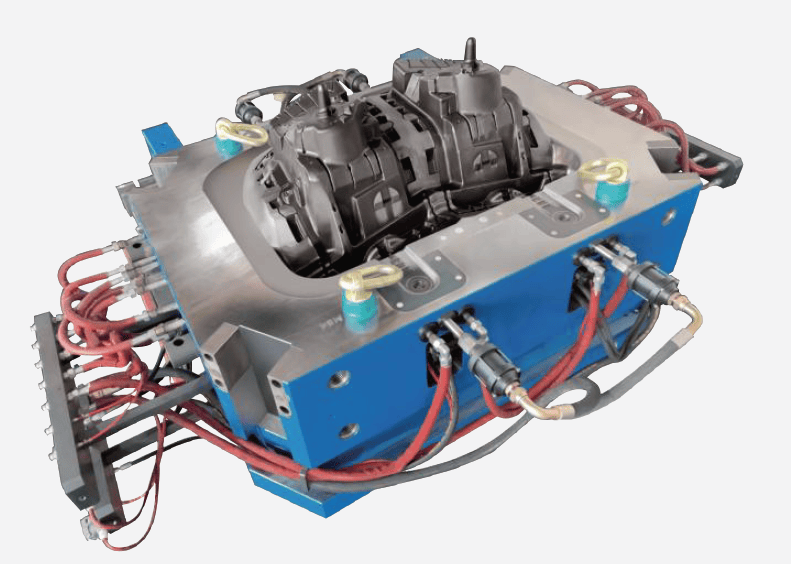

Aluminum-Magnesium Alloy High-Pressure Die-Casting Molds
NINGBO HELI TECHNOLOGY CO., LTD.
CAP1400 main feedwater flow nozzle flowmeter.
Jiangsu Hongda Instrument Technology Co., LTD.

Pneumatic high-pressure wear-resistant ball valve
Zhejiang Deca Control Valve Meter Co., Ltd.
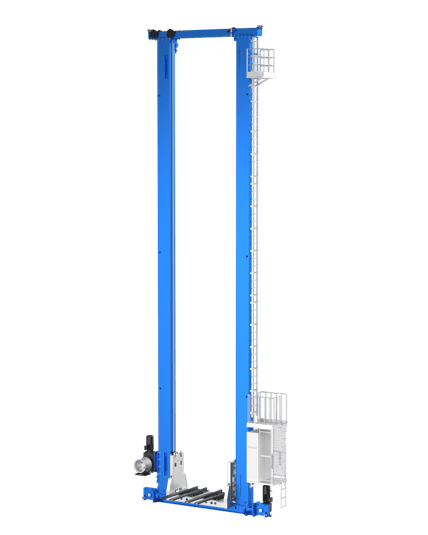
Pallet Solutions Product Line: HD3000 Double-Column Stacker Crane
Zhongding Intelligent (Wuxi) Technology Co., Ltd.
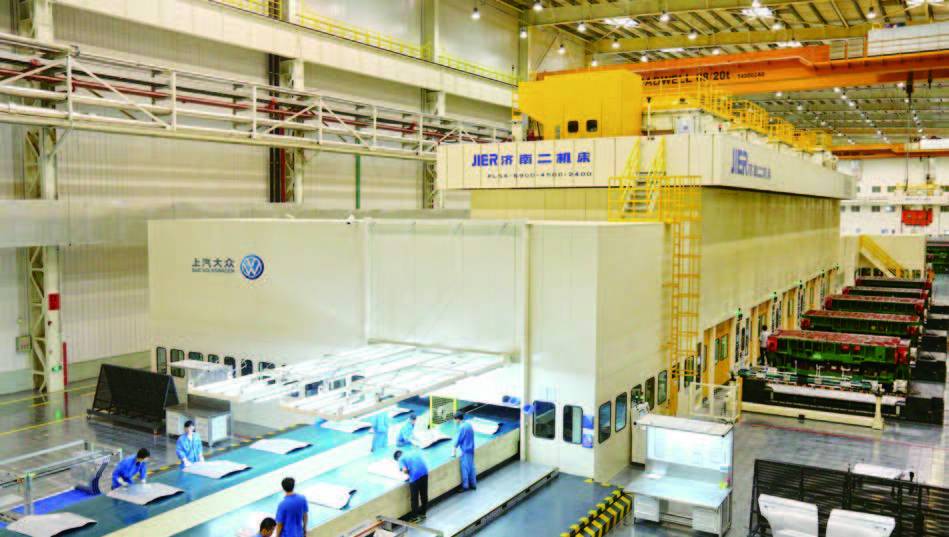
High-Speed Flexible Fully Automatic Stamping Production Line
JIER Machine-Tool Group Co., Ltd.
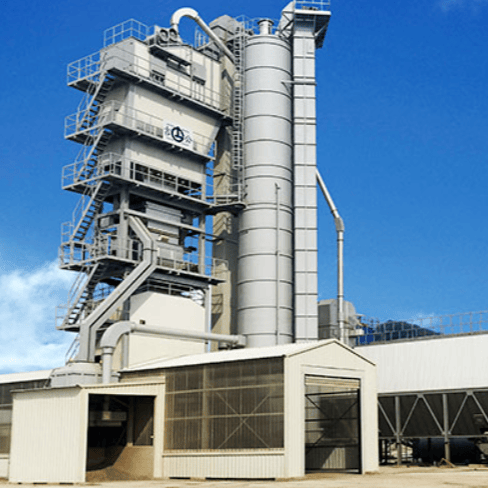
LBH4000 Batch Environmental Protection Asphalt Mixing Plant | Asphalt Batching Plant | Asphalt Mixing Plant
Jilin Province Road Construction Machinery Co., Ltd.