Indian Manufacturing Investment Accelerates, Plastics and Injection Molding Equipment Market Gains Attention
Wedoany.com Report on Mar 16th, As the world's fourth-largest economy, analysts predict India has the potential to surpass Germany and rise to third place in the coming years. The sustained growth of the manufacturing sector is a key driver of this trend. Over the past three decades, India's manufacturing sector has grown at an average annual rate of about 7%. The government expects the GDP to reach $7.3 trillion by 2030. Plastic production and processing play a significant role in this growth. A GlobalData report forecasts that India will account for approximately 20% of the global new plastic production capacity by 2030, making it a market of close attention for the global plastics industry.
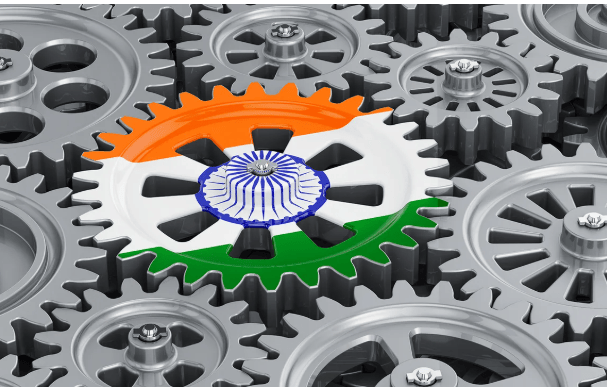
India is the second or third largest injection molding market, with a growing demand for high-quality injection molding equipment. Marcello Vendemiati, President of Molding Solutions Group, stated at the MD&M West trade show: "This prompted us to open a factory in Pune, India, in January, focusing on manufacturing hot runner systems." This facility will provide a range of services including engineering and mold flow analysis to support localized production. In September 2025, Japan's Nissei Plastic announced an investment of $10.2 million to establish a factory in Ahmedabad, Gujarat, aiming for an annual production of 360 electric injection molding machines to serve India's rapidly developing manufacturing sector. Another Japanese manufacturer, Shibaura Machine Co., Ltd., also expanded its technical center in Chennai late last year.
Husky Technologies has been in India for 25 years. CEO Bradley Selleck, during the company's participation in Plastindia 2026, stated: "India is one of our most strategically important markets globally. We plan to further expand our business in the coming years to support our customers' growth." Additionally, in 2026, ABB announced an investment of approximately $75 million in India to expand its manufacturing and R&D capabilities. This builds upon a $35 million investment in 2025, aiming to strengthen India's position as a global manufacturing hub.
Market intelligence firm ICIS points out that India has the advantage of a large and young workforce, which may exceed the combined working-age populations of the US and China, providing potential for economic growth. ICIS wrote: "By 2050, India could become the world's second-largest economy and a high-income country." Favorable demographics, including a large English-speaking workforce and infrastructure improvements, are driving the rise of the middle class, thereby increasing demand for plastic consumption. India currently lags about 20 to 25 years behind China in plastic consumption, indicating ample room for growth.
In 2024, the Indian government launched the "Make in India" initiative to promote investment and innovation. Foreign direct investment levels in key sectors have significantly increased, opening up areas such as defense manufacturing and railways. For the 2025 fiscal year, the Indian economy is expected to grow by 7.6%. Reuters reported that in February 2026, factory activity expanded at its fastest pace in four months, although export growth slowed. Overall, the acceleration of manufacturing investment in India and the attention on the plastics and injection molding equipment market present new opportunities for global enterprises.
Related Products
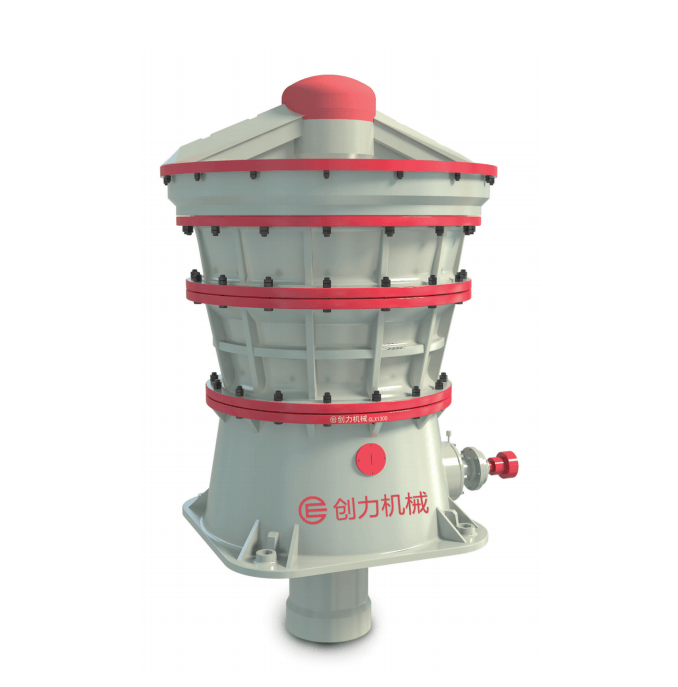

CLX Series Intelligent Hydraulic Gyratory Crusher
Guangdong CHUANGLI intelligent machinery Equipment Co., LTD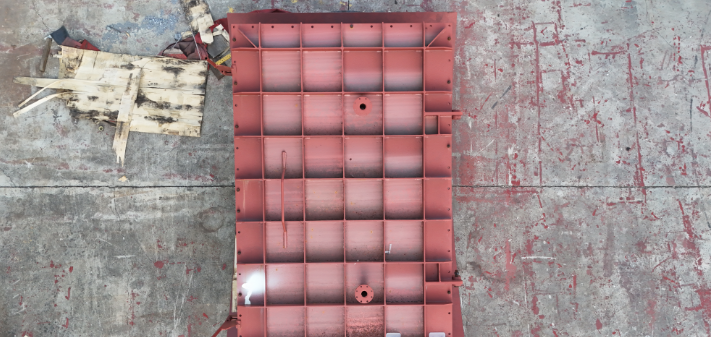
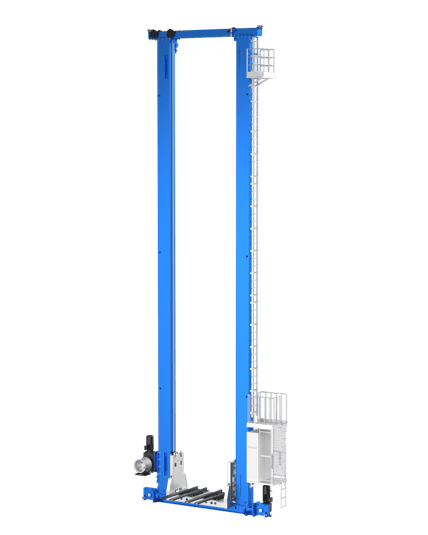
Pallet Solutions Product Line: HD3000 Double-Column Stacker Crane
Zhongding Intelligent (Wuxi) Technology Co., Ltd.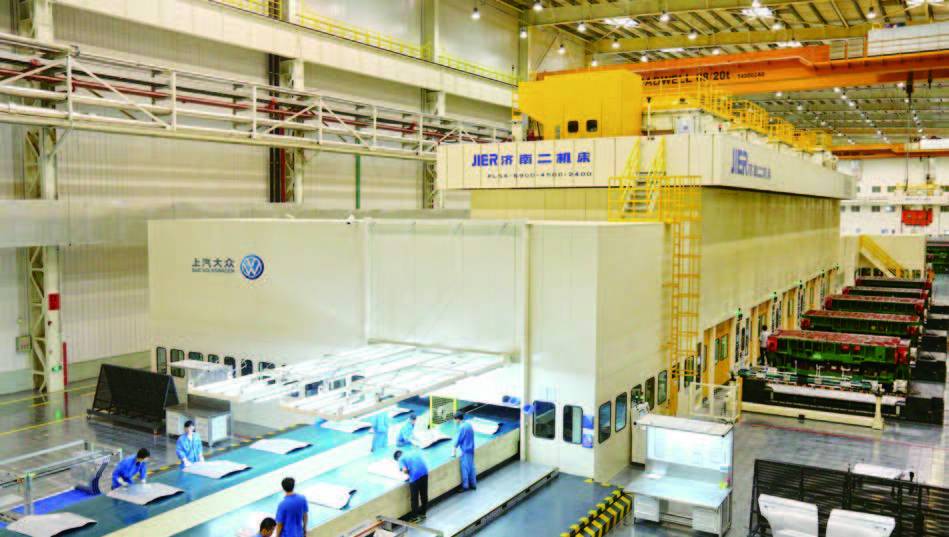
High-Speed Flexible Fully Automatic Stamping Production Line
JIER Machine-Tool Group Co., Ltd.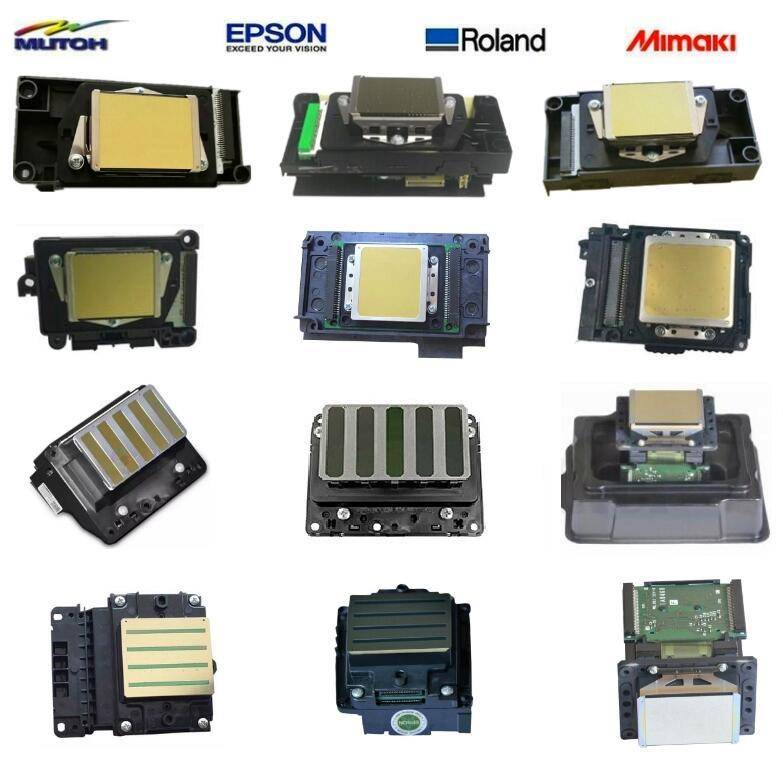
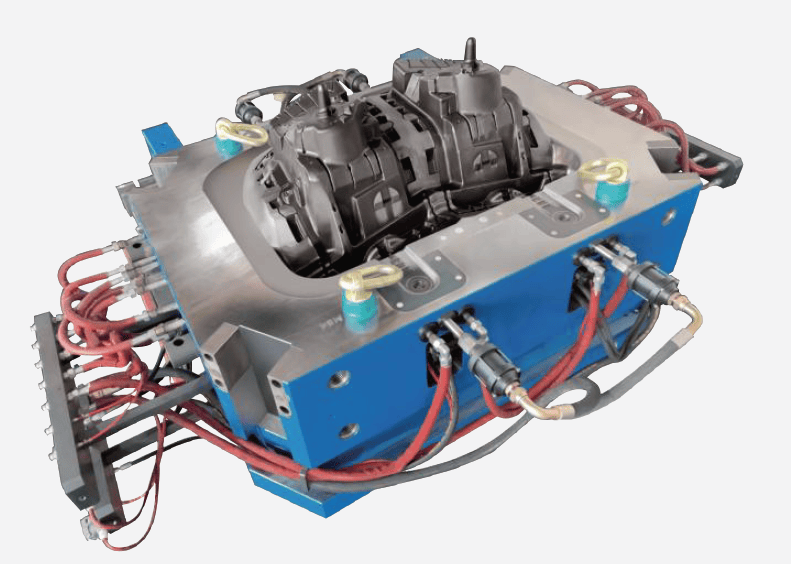
Aluminum-Magnesium Alloy High-Pressure Die-Casting Molds
NINGBO HELI TECHNOLOGY CO., LTD.

Pneumatic high-pressure wear-resistant ball valve
Zhejiang Deca Control Valve Meter Co., Ltd.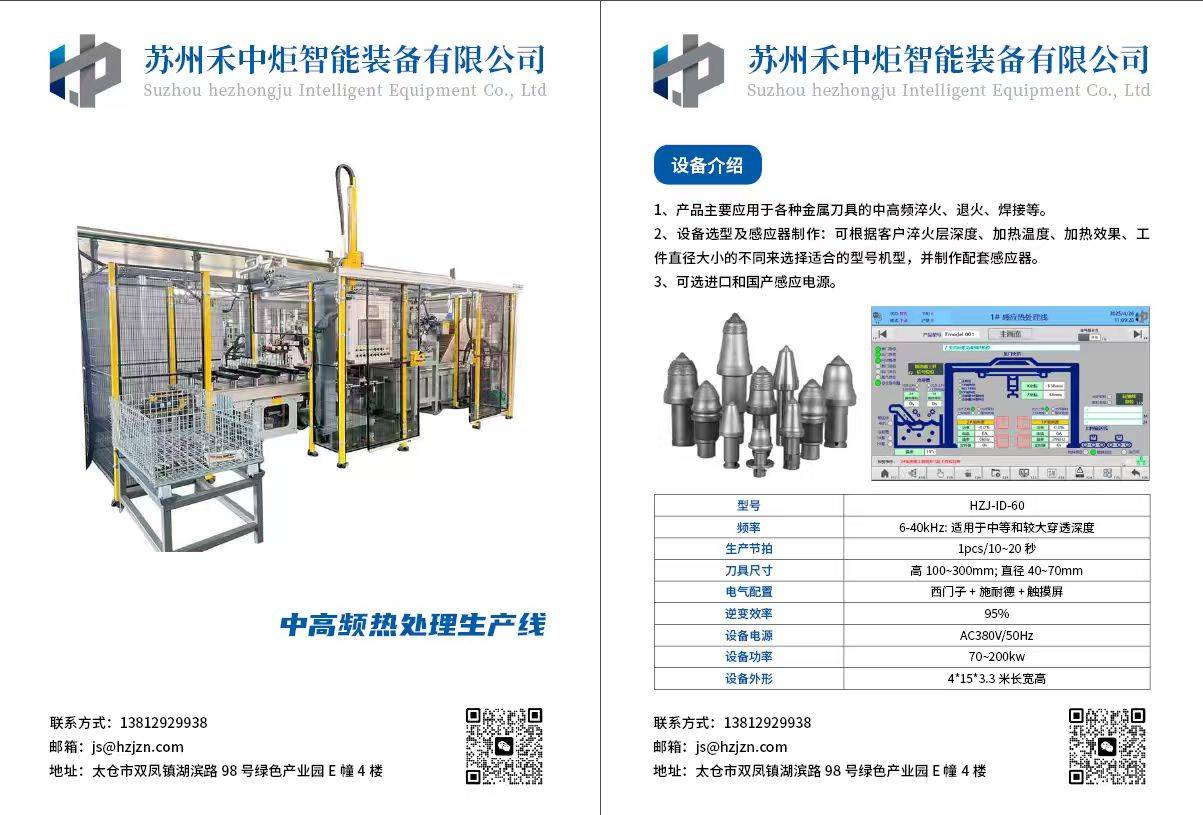
Excavator Bucket Teeth Heat Treatment Production Line
Suzhou Hezhongju Intelligent Equipment Co., Ltd.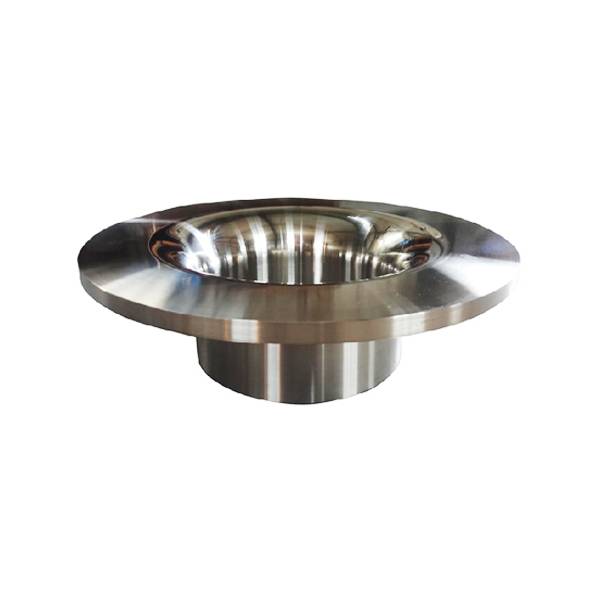
Standard Nozzle Flowmeter
Jinggong Automatic Control Instrument Complete Technology Development Company
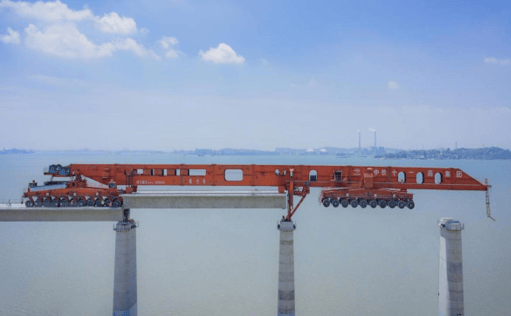
High-Speed Railway Lifting, Transporting, and Erecting Equipment: Integrated Transport and Erection Machine
Hanjiang Heavy Industry Co., Ltd. of China Railway 11th Bureau Group