Wedoany.com Report on Mar 17th, ABB recently launched the new generation 500 X pH/ORP sensor in Switzerland, designed specifically for harsh industrial environments. Traditional sensors often fail quickly due to electrode poisoning under extreme conditions. The 500 X employs patented technology, offering excellent resistance to poisoning and fouling. Customer tests show that its service life is extended by 10 times compared to conventional models in high-temperature and extreme pH environments.
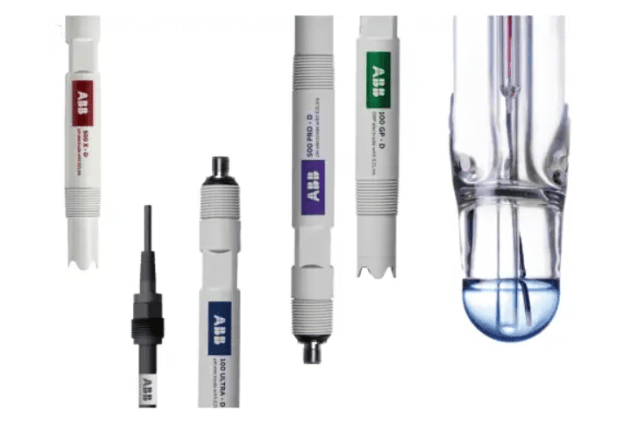
The 500 X pH/ORP sensor achieves seamless connection with ABB transmitters via the EZLink™ digital platform, supporting plug-and-play functionality. Paired with the AWT424 transmitter, users can access the EZLink™ Connect app on their smartphones to view real-time measurement data, diagnostic reports, audit trails, and receive software updates.
Nik Siwek, Global Product Manager for Continuous Water Analyzers at ABB's Measurement & Analytics business unit, stated: "The 500 X sensor combines ABB's over 70 years of pH/ORP measurement experience and proven TB series technology, now enhanced with digital capabilities. It maintains durability while offering the benefits of digital connectivity, making it suitable for extreme industrial applications. It helps users reduce operational costs and ensure process stability."
The 500 series includes the 500 X and 500 PRO, featuring durable electrodes suitable for high-pressure, high-temperature, and easily fouling conditions. The 100 series serves as an entry-level option for general applications such as drinking water, wastewater, and environmental monitoring. The 700 series is designed for high-precision applications, such as ultra-low conductivity measurements.
ABB is committed to promoting sustainable development through electrical and automation technologies. With a history of over 140 years, it employs approximately 110,000 people globally and is listed on the Swiss and Stockholm stock exchanges. Its automation business provides solutions for industrial operations, helping to improve efficiency and enable cleaner production.