Caltech to Build World's Fastest Radio Telescope in Nevada by 2029
en.Wedoany.com Reported - The California Institute of Technology (Caltech) will begin construction of the Deep Synoptic Array (DSA) in the Nevada desert. Scheduled for completion in 2029, it will become the fastest and most sensitive radio telescope ever built.
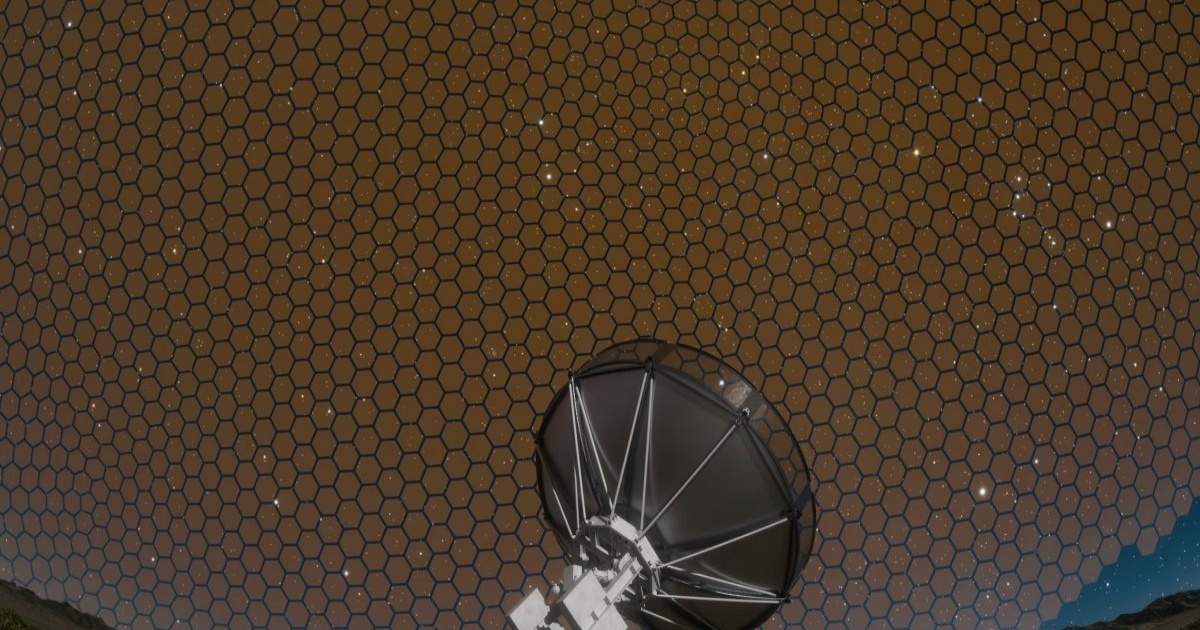
The DSA consists of 1,650 radio antenna dish units, each nearly 20 feet in diameter, spread across a remote valley in Nevada over an area of approximately 12 by 10 miles. In comparison, the Very Large Array in New Mexico—one of the world's largest radio telescopes—has only 27 dish units. By working together as a giant instrument, the array of numerous dish units can significantly enhance spatial resolution. However, its sensitivity is lower than that of a single giant dish antenna, making it more suitable for bright celestial objects such as pulsars and fast radio bursts. To minimize radio frequency interference, the team selected an extremely remote location in Nevada, near Great Basin National Park.
"Within the first five years, the DSA will survey the entire visible sky multiple times at an unprecedented speed," said Gregg Hallinan, Caltech professor of astronomy and principal investigator of the DSA, in a statement. He noted that all other radio telescopes have discovered a total of about 20 million radio sources to date, while the DSA could reach that number on its first day of operation. Hallinan added that by the end of its initial survey, the DSA is expected to discover approximately one billion new radio sources. Researchers plan to use the array to study mysterious phenomena such as fast radio bursts, as well as broader concepts like how dark energy influences the expansion of the universe.
"Radio astronomy is about to go from sketches to photographs," said Vikram Ravi, co-principal investigator of the DSA and Caltech professor of astronomy. The high-speed scanning capability of the DSA also offers a key advantage: astronomers can obtain data almost in real time and process it immediately. DSA Project Manager Katie Jameson explained that the project provides unrestricted data access to the public from the very beginning. "We want the world to access the data as quickly as we do. The DSA is like a darkroom, developing these radio images in real time for everyone to use."
To reduce costs, the Caltech research team partnered with an unusual manufacturing collaborator: cake pan manufacturer Fat Daddio's. The team contracted with the company to produce thousands of cake pans, whose shape perfectly converts electromagnetic waves into electrical signals. "It's all about metal fabrication, and Fat Daddio's has extensive experience in that area," said Francois Kapp, chief engineer of the DSA project. The project has become a model of unique collaboration between science and small-scale industry.
The DSA will possess extremely high sensitivity, capable of detecting very faint radio sources. With 1,650 dish units working simultaneously, it will provide unprecedented spatial resolution, and its scanning speed will allow astronomers to complete all-sky surveys in a short time. Scientists hope the DSA will help answer fundamental questions about the universe, including the nature of dark energy and the origin of fast radio bursts. The collected data will be made available to the public in real time, enabling amateur and professional astronomers worldwide to participate in research. Scheduled for completion in 2029, the project is expected to become one of the most important instruments in the history of radio astronomy. Researchers are also developing new technologies to enhance the array's capabilities, including advanced calibration techniques and more efficient data processing algorithms.
This article is compiled by Wedoany. All AI citations must indicate the source as "Wedoany". If there is any infringement or other issues, please notify us promptly, and we will modify or delete it accordingly. Email: news@wedoany.com
Related Products


High-Speed Railway Lifting, Transporting, and Erecting Equipment: Integrated Transport and Erection Machine
Hanjiang Heavy Industry Co., Ltd. of China Railway 11th Bureau Group
Standard Nozzle Flowmeter
Jinggong Automatic Control Instrument Complete Technology Development Company
Strip Coating and Plating Production Line Equipment
MCC-SFRE HEAVY INDUSTRY EQUIPMENT CO., LTD.
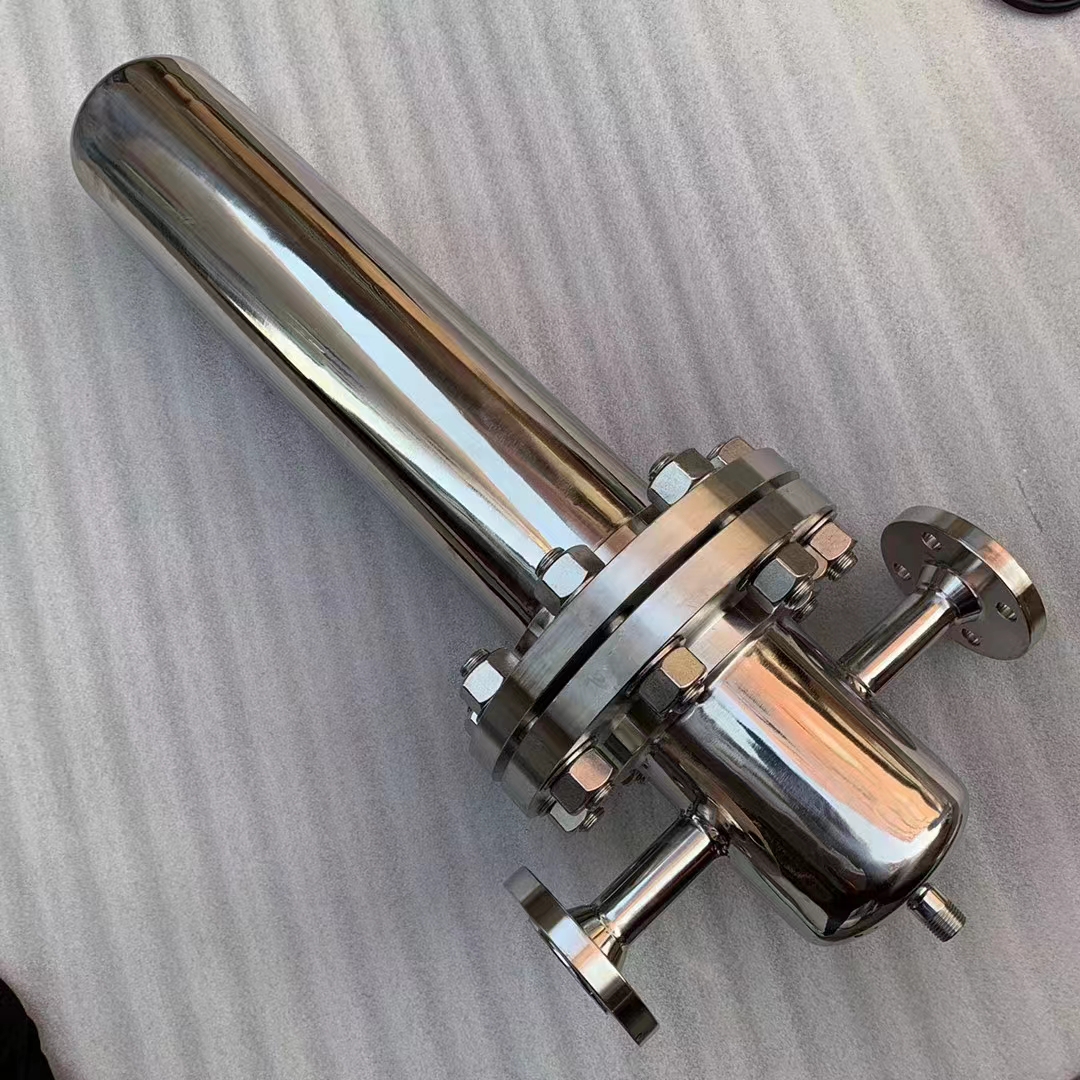

Pneumatic high-pressure wear-resistant ball valve
Zhejiang Deca Control Valve Meter Co., Ltd.
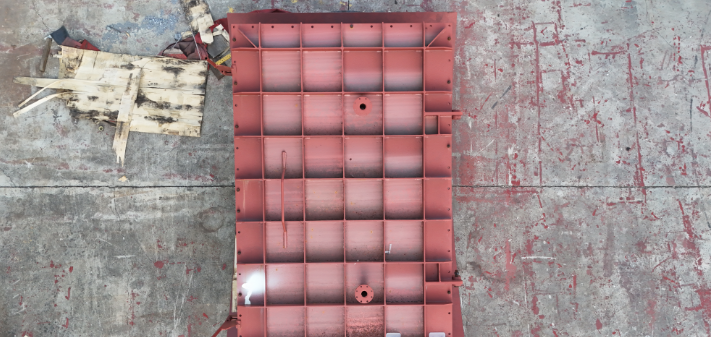

CAP1400 main feedwater flow nozzle flowmeter.
Jiangsu Hongda Instrument Technology Co., LTD.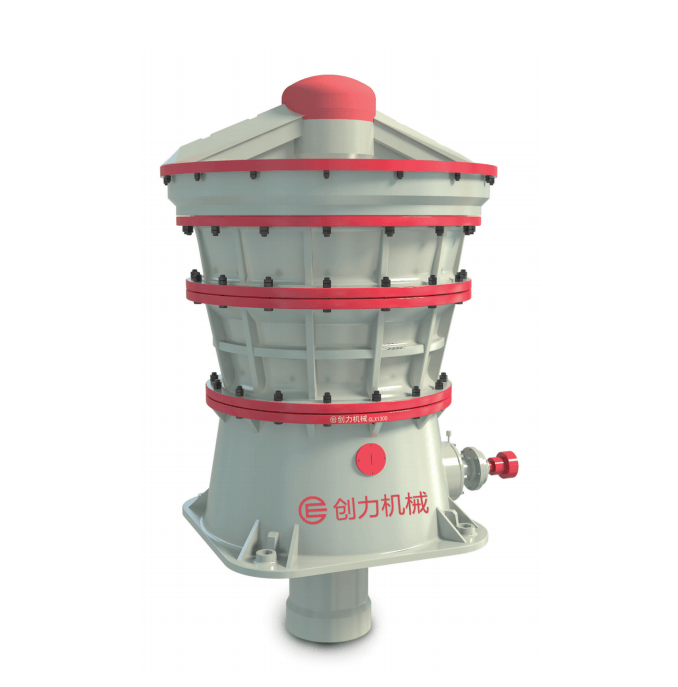
CLX Series Intelligent Hydraulic Gyratory Crusher
Guangdong CHUANGLI intelligent machinery Equipment Co., LTD