Wedoany.com Report on Mar 18th, The US government is considering paying approximately $1 billion in compensation to French energy company TotalEnergies to cancel two of its offshore wind leases: Attentive Energy near New York and Carolina Long Bay near North Carolina. This move could involve the Department of the Interior canceling the leases and the Department of Justice paying over $928 million, covering the amount TotalEnergies previously bid for the rights.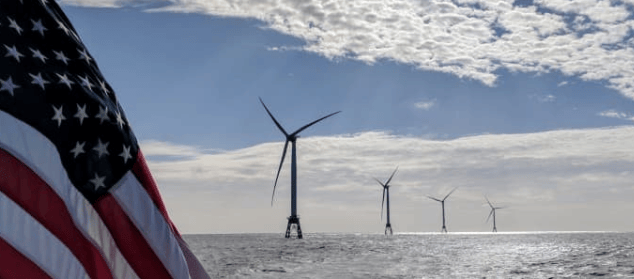
Offshore wind projects were once a key part of the push to build 30 gigawatts of capacity in the US by 2030, with leases stretching from the Northeast to the Gulf of Mexico, but progress has now stalled. TotalEnergies announced in 2024 that it was pausing development of the Attentive Energy project, and regardless of whether a settlement is reached, the project is effectively abandoned. In the first quarter of 2025, about $8 billion in clean energy investments in the US were canceled or scaled back, as companies reassessed project economics and policy risks.
The proposed settlement shows that the US government is not only slowing new development but also actively clearing out the existing project pipeline. It is reported that even if TotalEnergies refuses the compensation, the leases will still be canceled. In exchange, TotalEnergies would abandon the wind projects and shift its investment to US natural gas infrastructure, including assets in Texas.
In the current environment, offshore wind developers are facing multiple setbacks, such as permitting reviews, construction pauses, and policy resistance. The recent suspension of work by the Department of the Interior on Equinor's Empire Wind project near New York adds further pressure. The potential compensation raises cost concerns, with nearly $1 billion in taxpayer funds potentially being used to shut down projects that were already approved or partially underway.
Currently, the settlement is still under discussion. As the US offshore wind industry faces challenges, the government may be willing to pay a price to adjust the direction of its energy policy.