IEA: China is a Core Contributor to Global Energy Innovation
en.Wedoany.com Report on Mar 21st, The International Energy Agency points out that China is steadily transitioning from a major patent holder to a standard-setter, and its full-industry-chain integration capability is a core competitive advantage in the global energy innovation field.
The global energy innovation landscape is entering a new phase shaped by energy security, industrial competitiveness, and infrastructure resilience. The International Energy Agency recently released its latest Energy Innovation Report, which identifies over 150 major technological innovations, including breakthroughs in energy technologies such as fusion energy, perovskite solar cells, sodium-ion batteries, and next-generation geothermal systems. The maturity level of 50 emerging energy technologies has seen significant improvement. Notably, China's influence in global R&D and patents continues to expand, leading significantly in energy patents, particularly in energy storage and industrial energy efficiency.
China Leads the World in Energy Technology Innovation
The Energy Innovation Report shows that over the past decade, Chinese companies have contributed to almost all the growth in corporate energy R&D globally, currently accounting for 60% of corporate R&D in energy supply and infrastructure.
The IEA notes that China is not only a core contributor to global energy innovation but is also reshaping global industrial and supply chain systems in multiple key energy technology sectors. China is steadily moving from a major patent holder to a standard-setter, with its full-industry-chain integration capability being its core competitive advantage in the global energy innovation arena.
According to European Patent Office data, China's energy patent growth rate reached 800%. In 2025, over 95% of China's energy patent applications focused on low-emission technologies, indicating that green is the mainstream of energy technology innovation.
As the world enters the electric age, battery energy storage is at the forefront of global innovation activity. In 2023, batteries accounted for 40% of all energy patents, and this proportion further increased in 2024 and 2025.
China, South Korea, and Japan are the main sources of lithium-ion battery patents, but their shares have changed significantly. In 2010, Japan accounted for half of cathode material patents, but its share dropped to below 10% by 2022, while China's share rose from 4% to nearly 40% during the same period. In solar cell innovation, perovskite patents have grown significantly since 2010, now accounting for over 70% of all solar cell patents, with China being the leader in perovskite patents.
In recent years, China's scientific and technological endeavors have developed rapidly, with its scientific and technological strength reaching a new level. Its innovation index ranking has risen to 10th globally. In 2025, total national R&D expenditure exceeded 3.92 trillion yuan, with an intensity of 2.8%. Of this, basic research investment approached 280 billion yuan, accounting for 7.08% of total R&D expenditure, breaking the 7% threshold for the first time and reaching a historical high.
Minister of Science and Technology Yin Hejun stated that the 15th Five-Year Plan period is a crucial time for accelerating the achievement of high-level self-reliance and self-strengthening in science and technology and building a strong nation in science and technology. The approach will involve aligning scientific and technological innovation with industrial needs and ensuring industrial development relies closely on scientific and technological innovation. This breaks away from the past inertia of "achieving results first, then commercializing them," and accelerates the formation of a new pattern where scientific and technological innovation and industrial innovation are planned, deployed, and promoted as an integrated whole. This will pave the way from a strong science and technology sector to strong industries, a strong economy, and a strong nation.
Energy Security Drives Accelerated Technological Innovation
"Energy innovation has become a strategic priority for global economies," said IEA Executive Director Fatih Birol. "With energy security and industrial competitiveness at the top of the agenda, those economies that consistently invest in R&D, demonstration, and early deployment will be best positioned to lead the next generation of energy technologies."
Geopolitics, economic competition, and concerns about energy security, alongside climate change goals, are becoming core forces shaping energy technology development. Energy security is undoubtedly a major driver of technological innovation. Globally, about one-tenth of patents are related to energy, surpassing fields like chemicals, pharmaceuticals, or transportation, highlighting energy's central role in national security, industrial strategy, and economic development.
The Energy Innovation Report shows that public energy R&D in Europe accounts for about 0.08% of GDP, close to a historical high and exceeding other major developed economies. However, the number of energy patent applications has declined, though Europe performs well in areas like fusion energy, underground hydrogen storage, and industrial electrification. In 2025, funding cycles for large-scale demonstration projects in the EU experienced fluctuations. The US continues to lead venture capital activity, accounting for nearly half of venture capital in the energy sector in 2025. However, the US federal energy R&D budget decreased by 8% in 2025, with some funds being suspended or even canceled.
Compared to the private sector, public support has a more lasting impact on energy innovation. For technologies like floating LNG and lithium-ion batteries, public investment—from early-stage basic research funding to sharing the risks of first-of-a-kind projects—has laid the foundation for their large-scale application. In the US, for example, every dollar invested in R&D programs for geothermal, wind energy, and building energy efficiency yields hundreds of dollars in returns.
The IEA believes that in the context of shifting policy priorities and tightening financial conditions, sustained and targeted public support is crucial. Simultaneously, it is necessary to align energy innovation strategies with broader competitiveness and resilience goals, especially in areas where technology can strengthen supply chains or reduce strategic dependencies. Furthermore, strengthening the relationship between research, industry, and finance is also key to maintaining the momentum of technological innovation.
Overall Slowdown in Growth of Energy R&D Funding
Globally, R&D spending in the energy sector is growing faster than total R&D spending across all sectors. Currently, about 9% of total R&D expenditure by both public and private sectors across all fields is directed towards energy, an increase of nearly one percentage point compared to the 2015–2020 average.
Energy technology innovation remains active, but uncertainty is also increasing. In 2025, signs of weakness appeared in the clean energy market, deployment expectations for low-carbon hydrogen were revised downward, and several first-of-a-kind projects faced cost overruns and policy uncertainty. Clearly, after years of growth, energy innovation R&D funding is entering a transitional phase of slower growth.
The Energy Innovation Report shows that global public energy R&D expenditure in 2025 was approximately $55 billion, a 2% year-on-year decrease. Corporate energy R&D expenditure in 2025 was $160 billion, with corporate R&D growth in 2024 being only 1%, the slowest growth rate since 2015. Venture capital investment in energy technology startups dropped to $27 billion in 2025, marking the third consecutive year of decline.
It is worth noting that absolute declines in corporate energy R&D expenditure by European and US companies may be related to the higher cost of capital faced by companies in 2023 and 2024. Budget constraints have forced companies to shift spending away from higher-risk, longer-cycle research investments.
The IEA points out that higher interest rates, macroeconomic uncertainty, and intense competition in artificial intelligence are putting pressure on energy capital flows. In 2025, the share of global venture capital flowing to AI rose to nearly 30%, while the share for energy declined.
Meanwhile, new growth areas are emerging. Since 2021, innovation R&D funding for seven areas—fusion energy, nuclear fission, critical minerals, geothermal energy, carbon dioxide removal, low-carbon industry, and aviation—has expanded significantly, largely offsetting the decline in investment in the electric vehicle sector. Since 2020, fusion energy startups have raised over $10 billion in venture capital, accounting for more than 5% of all energy venture capital. In 2025, over 320 new energy startups received their first round of funding.
Related Products
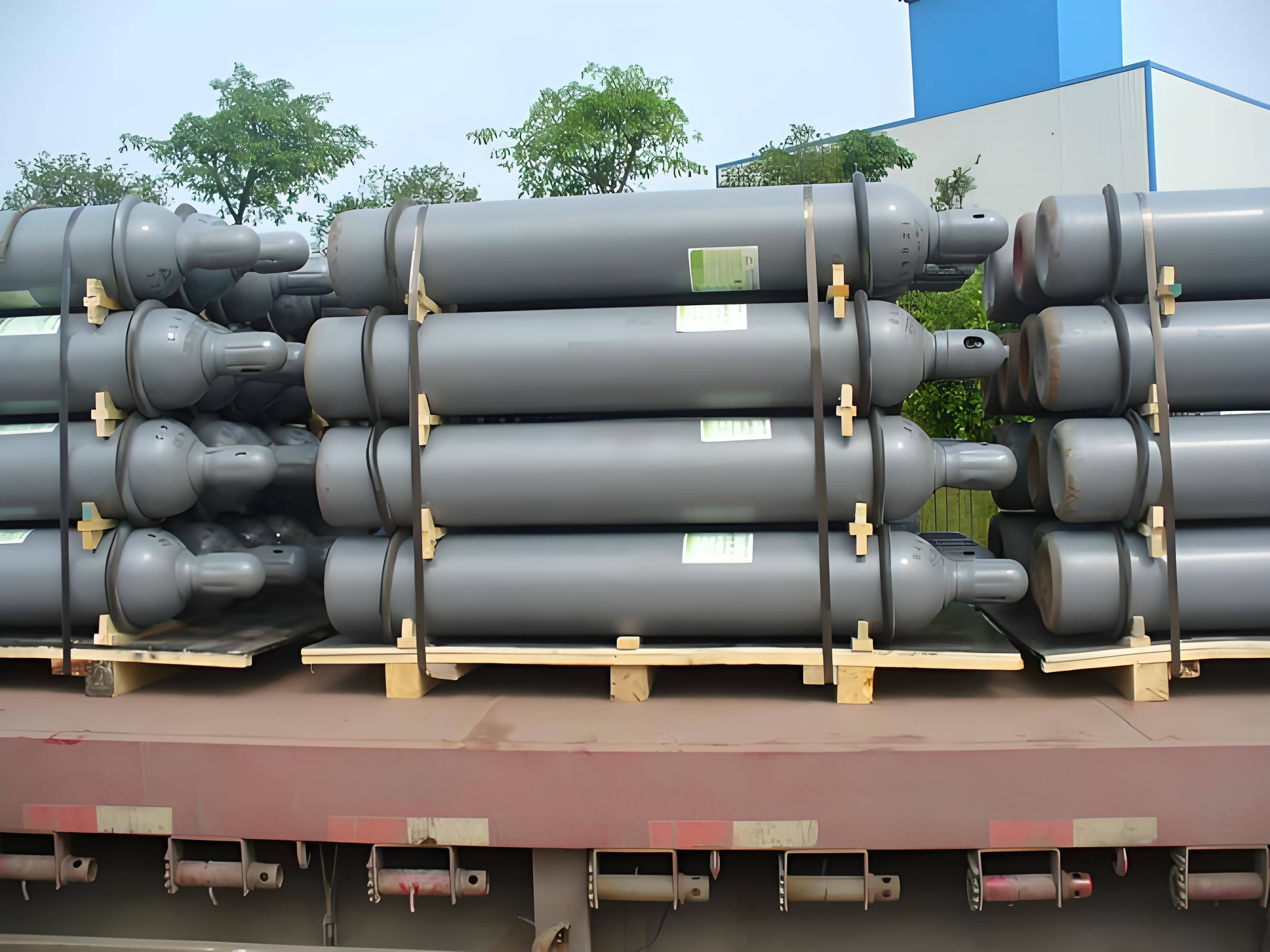

Global Sulfur Hexafluoride Gas Supply and Cylinder Export
Foshan Yuexin Industrial Gas Co., Ltd.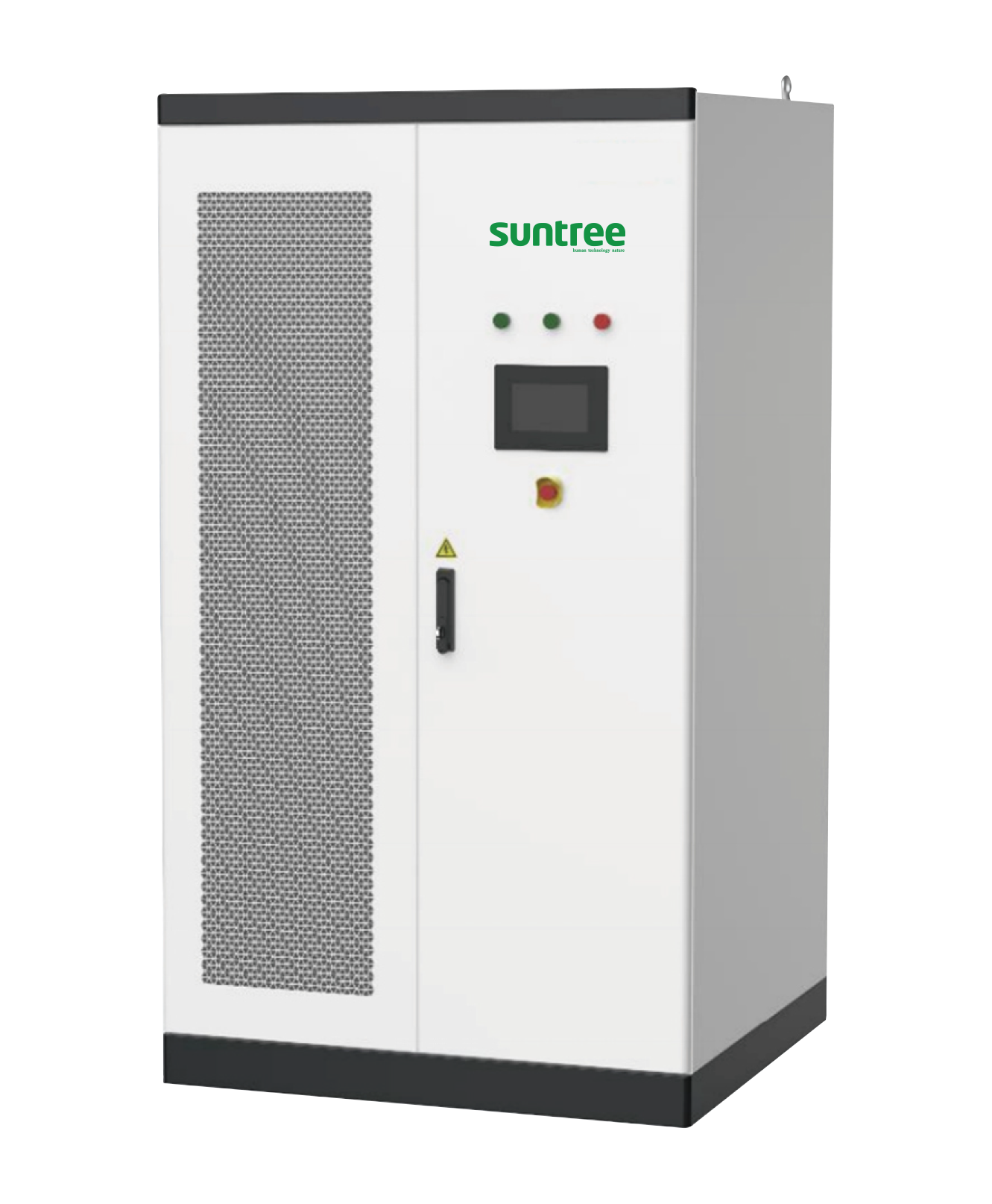
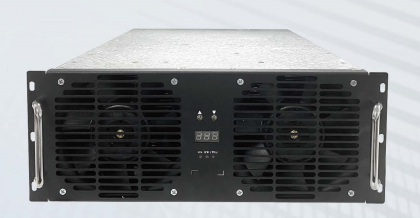
80kW Megawatt Supercharging Module TH80F10030C9
Shijiazhuang Tonhe Electronics Technologies Co., Ltd.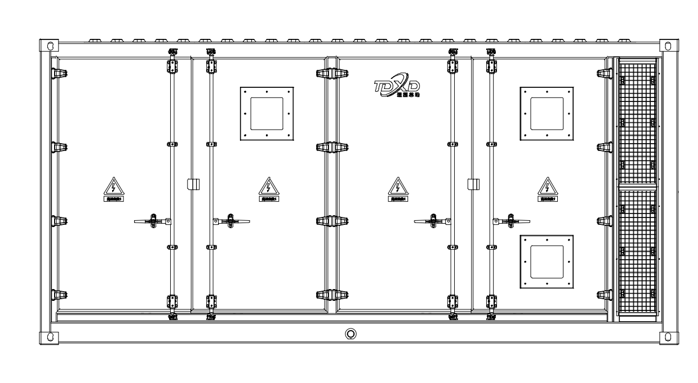
5012kWh DC Energy Storage System TD-EES-5012kWh
Suzhou Tongding Xindong Energy Storage Technology Co., Ltd.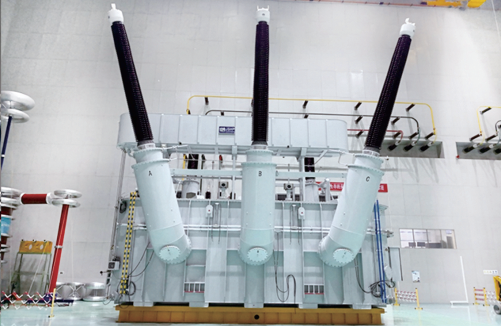
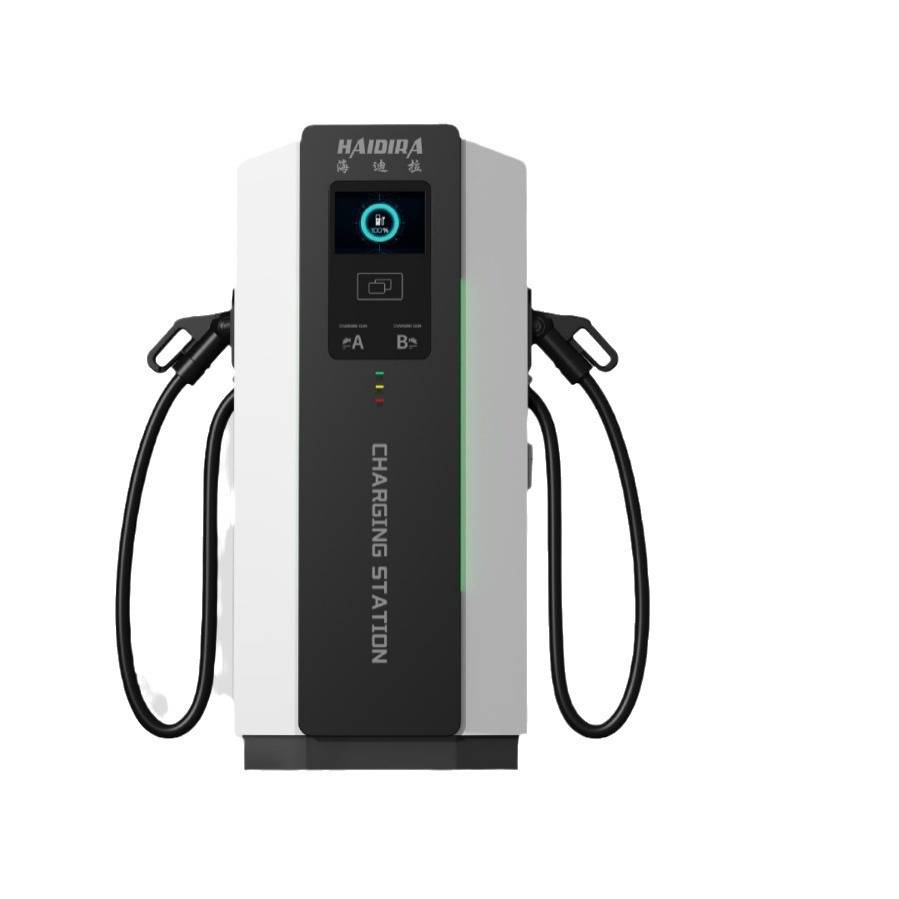
Manufacturer Direct Sales Tesla New Energy Electric Vehicle Universal DC 180kW Dual-gun Charging Pile Commercial Fast Charger
Anhui Haidira Electric Technology Co., Ltd.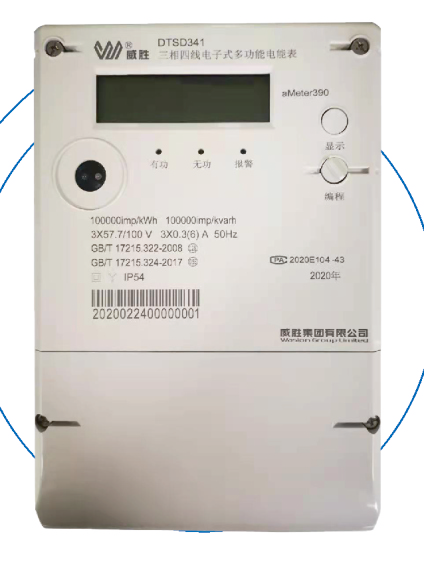
Overseas IEC Gateway Energy Meter - DTSD341/DSSD331-aMeter390
Wasion Group Limited Co., Ltd.
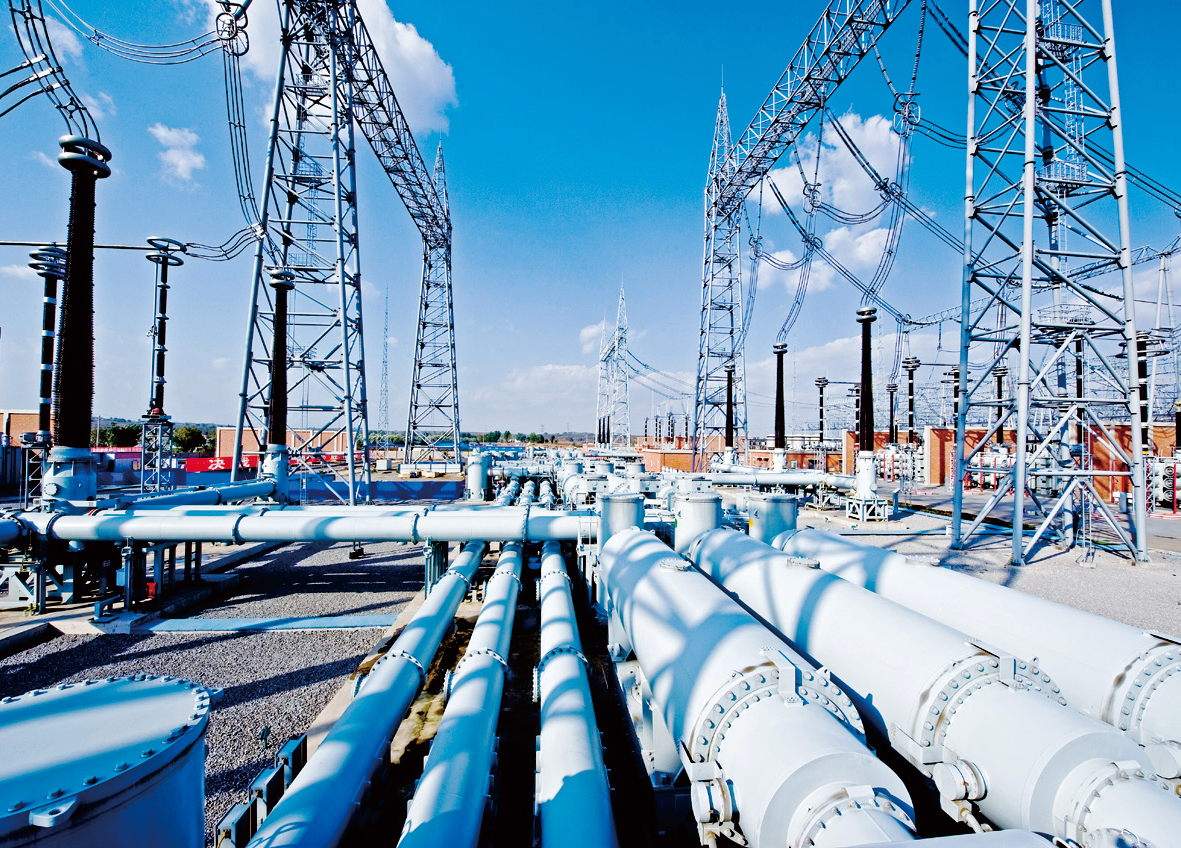
40.5kV-1100kV Gas Insulated Metal-Enclosed Switchgear (GIS)
Henan Pinggao Electric Co., Ltd.
714CD Series C-Band Weather Radar
Chengdu Zhongdian Jinjiang Information Industry Co., Ltd.