Sherwin-Williams Protective & Marine Coatings Promotes Tank Lining Recoating Technology in Oklahoma, USA
en.Wedoany.com Report on Mar 21st, J. Zimmerman, C. Sumner, and R. Galvin from Sherwin-Williams Protective & Marine Coatings point out that tank lining recoating is an effective cost-saving solution. Although high-performance linings can have a service life of over 30 years, recoating existing linings can extend their lifecycle and postpone the high costs associated with complete replacement.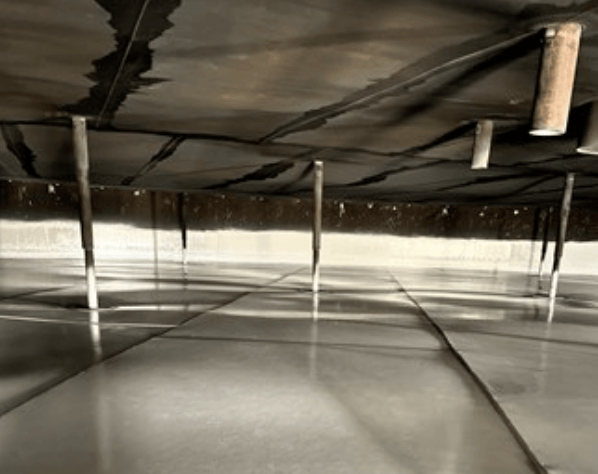
Recoating linings can significantly save time and costs. Compared to completely removing old linings, the recoating process requires less surface preparation work, reducing labor and material consumption. For example, using ultra-high solids products such as Dura-Plate® UHS or Nova-Plate® UHS typically requires only one application to achieve the desired thickness.
However, not all tanks are suitable for lining recoating. Tank owners need to evaluate the tank's storage history, the physical condition of the lining, and its mechanical integrity. Tanks that have stored harsh chemicals or have excessively aged linings may not be suitable for recoating. ASTM standard tests, such as adhesion assessment and hardness testing, can help determine the feasibility of recoating.
The recoating process includes surface cleaning, blast cleaning, and application of the new coating. Quality control is crucial, with AMPP-certified inspectors conducting thickness measurements and holiday detection to ensure recoating quality. Sherwin-Williams provides technical services to assist tank owners in making optimal decisions, achieving immediate cost savings, and extending asset lifespan.
Related Products

Steel Plates for Chemical Pressure Equipment
Gansu JISCO Group Hongxing Iron and Steel Co., Ltd.
CAP1400 main feedwater flow nozzle flowmeter.
Jiangsu Hongda Instrument Technology Co., LTD.
Nitrogen Export, Nitrogen Manufacturer, High-purity Nitrogen Supplier
Foshan Yuexin Industrial Gas Co., Ltd.