Airbus A220 Gains Global Favor: Operational Efficiency, Long Range, and Passenger Comfort as Key Factors
en.Wedoany.com Report on Mar 23rd, Many airlines worldwide are actively introducing the Airbus A220 aircraft, which is favored for its high operational efficiency, long range, and excellent passenger comfort. The A220 was initially developed by Canada's Bombardier to fill the market gap between regional jets and larger narrow-body aircraft. It first flew in 2016 as the CS100 model and was renamed the A220 series in 2018 after Airbus acquired a majority stake. The series includes the A220-100 and the larger A220-300 models. To date, Airbus assembly lines in Mirabel, Quebec, Canada, and Mobile, Alabama, USA, have produced over 493 A220 aircraft, with orders approaching 1,000, of which about 500 have been delivered to operators globally.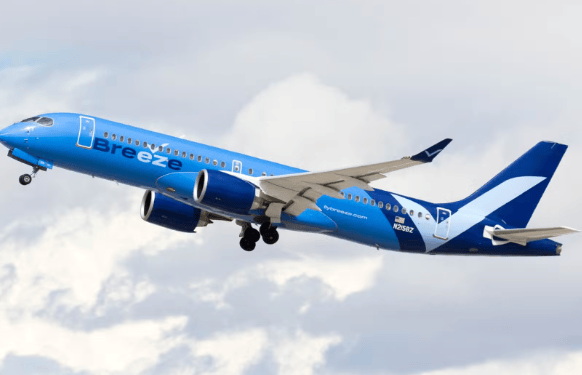
The operational economy of the Airbus A220 is one of the main reasons for its popularity. The aircraft is equipped with Pratt & Whitney PW1500G engines, which reduce fuel consumption by up to 25% compared to older similar models, lower CO₂ emissions per seat by 25%, and reduce noise by 50%. Baltic Air, the launch customer for the A220-300, noted that its range and cost per seat mile are about 2% better than expected, with efficiency 1% to 3% higher. Compared to the Airbus A319ceo and Boeing 737NG, the A220-300 consumes about 20% less fuel, and even when compared to the A319neo and Boeing 737 MAX 7, it still offers up to a 12% operational cost advantage. These improvements help airlines save on fuel costs, making marginal routes viable.
The range capability of the Airbus A220 is also notable. The A220-100 has a range of over 3,600 nautical miles (6,700 km), and the A220-300 about 3,400 nautical miles (6,300 km). This enables the aircraft to operate transcontinental flights, such as short routes from New York to Boston or new markets like Providence to Los Angeles, served by U.S. airlines like Delta Air Lines, JetBlue, and Breeze Airways. Range flexibility allows airlines to open point-to-point direct routes, improving load factors and fleet utilization.
In terms of airport adaptability, the Airbus A220 performs excellently. Its advanced wing design results in low takeoff field length requirements; for example, the A220-100's basic takeoff field length is about 4,000 feet (1,219 meters), allowing operations at airports with short runways like London City Airport. The aircraft also performs well in high-temperature and high-altitude conditions such as Denver. Combined with its low noise footprint, this helps meet environmental regulations and provides operational reliability.
Passenger experience is another highlight of the Airbus A220. The five-abreast seat configuration provides economy class seats 18 to 18.5 inches wide, more spacious than the average 17 inches in traditional narrow-body aircraft. The Airspace cabin concept includes large windows, high ceilings, and oversized overhead bins, with lower in-flight noise enhancing travel comfort. These features make the A220 an ideal choice for airlines emphasizing customer experience, such as JetBlue.
Although the Airbus A220 faces corrosion issues with its Pratt & Whitney PW1500G engines, leading to nearly 20% of the global fleet being grounded, and Swiss International Air Lines expects 10 aircraft to be unavailable for operation in 2026 due to this, the future outlook remains positive. The industry is focused on the development of the stretched A220-500 variant, with Reuters reporting that Airbus plans to launch it later this year, with a capacity of about 180 passengers. As production increases and engine issues are resolved, the A220 series is expected to continue growing, offering airlines a scalable solution.
Related Products




"Shunyi 1600" Deep-submerging Bottom-sitting Multi-functional Wind Power Engineering Vessel
Zhengli Offshore Engineering Co., Ltd.
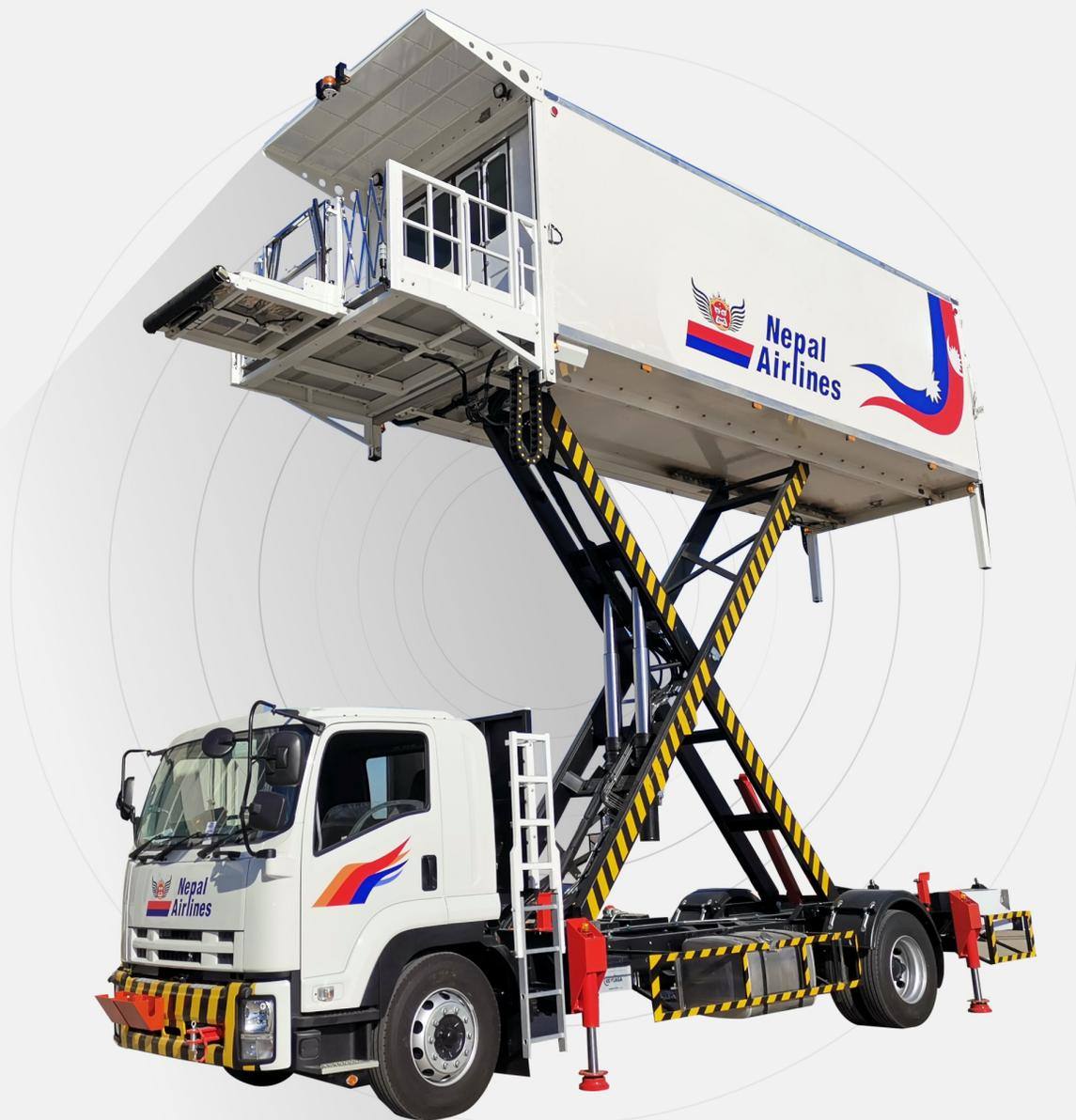
XC-6000e Type Aviation Catering Truck (Fuel Type)
Shenzhen CIMC-TianDa Airport Support Ltd.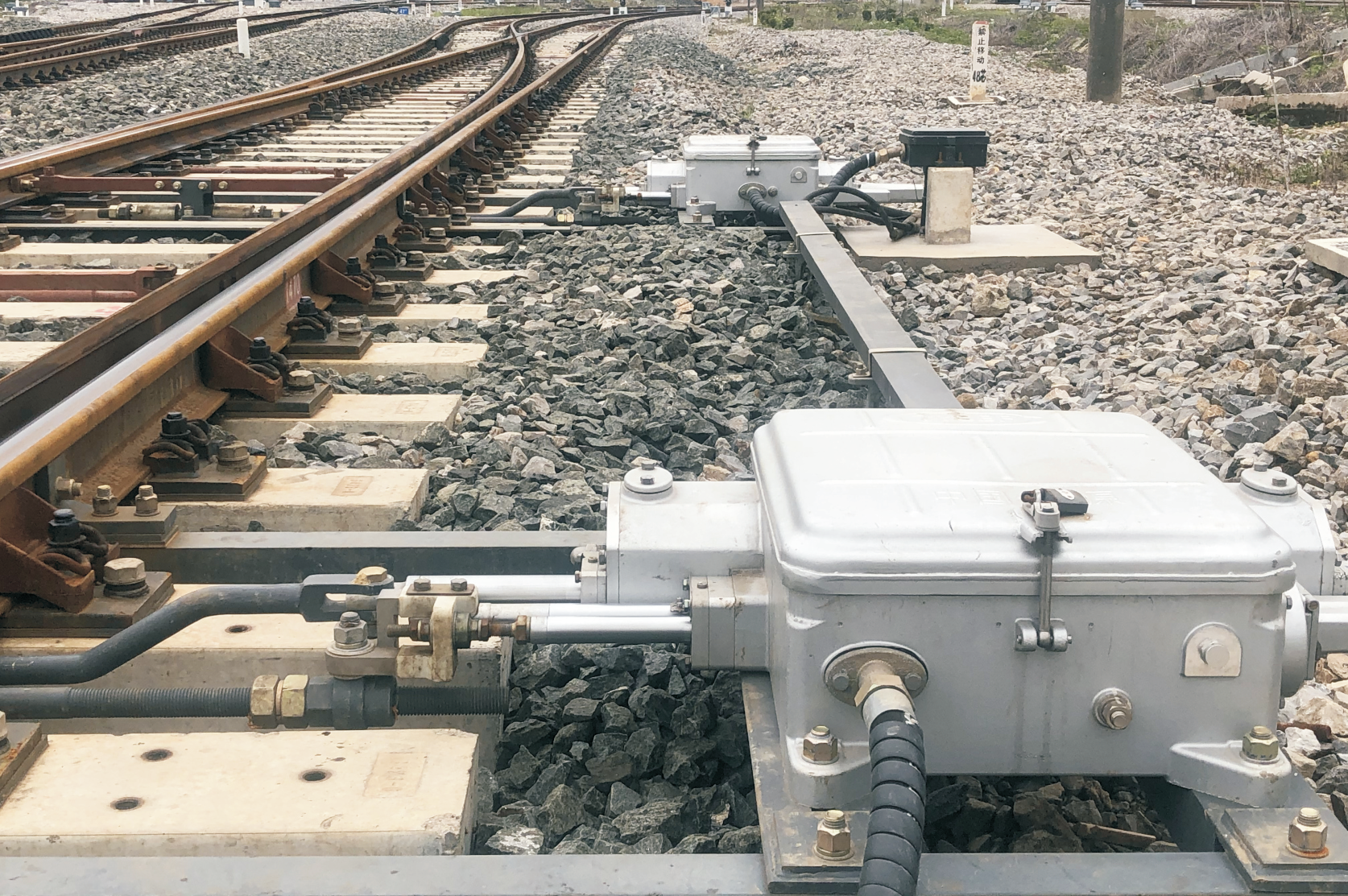
ZY(J)7(M) Sealed Type Electro-Hydraulic Turnout Machine
TAIYUAN CR JINGFENG EQUIPMENT TECHNOLOGY CO., LTD.
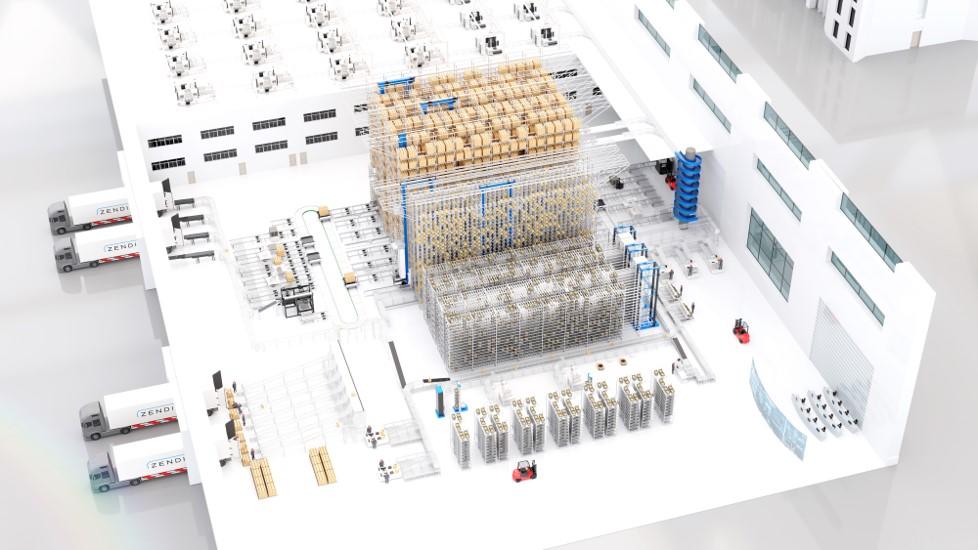
One-Stop Steward Service for the Entire Logistics System Integration Chain
Zhongding Intelligent (Wuxi) Technology Co., Ltd.