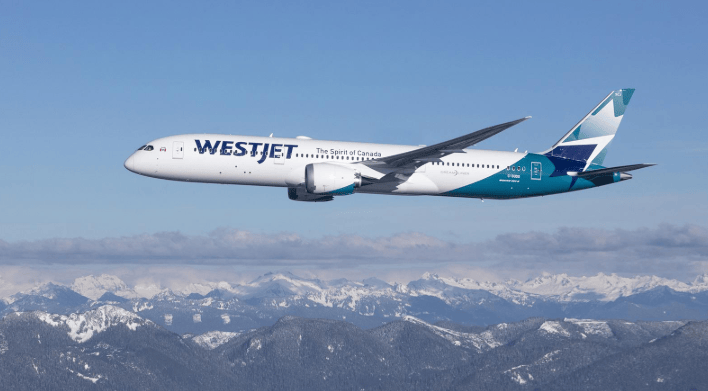
Boeing Halts Production of 757 in the U.S. Due to Market Shifts and Strategic Adjustments
en.Wedoany.com Report on Mar 23rd, The Boeing 757 is a narrow-body aircraft known for its outstanding performance. Since its introduction in the early 1980s, airlines have valued its versatility, as it could operate a wide range of missions from short-haul domestic routes to long-haul, low-density transatlantic flights. However, despite its clear advantages, Boeing decided to cease production of the 757 in 2004. This decision was primarily driven by changes in the aviation economic landscape, shifting market demands, and the company's strategic realignment.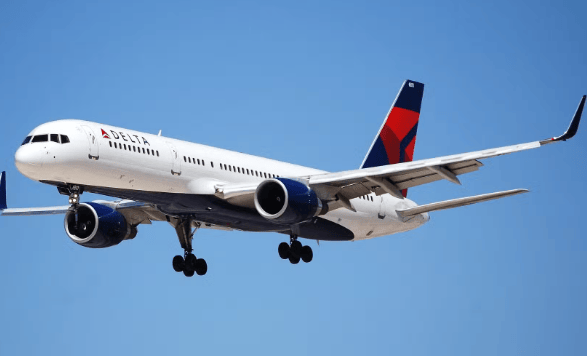
The Boeing 757 initially filled a market gap between smaller narrow-body and larger wide-body aircraft, offering a seating capacity of approximately 200-290, which provided more capacity than earlier models like the 737. However, by the late 1990s and early 2000s, this intermediate market began to shrink. Airlines increasingly favored smaller aircraft for high-frequency short-haul flights or larger wide-body planes for high-demand long-haul routes, diminishing the appeal of the Boeing 757.
Simultaneously, improved versions of the Boeing 737 and Airbus A320 series began to erode the 757's market share. These newer models could operate similar routes but with lower operating costs and higher fuel efficiency. Consequently, airlines reduced orders for the 757. While not obsolete, the aircraft became less essential. Fuel efficiency emerged as a critical factor; the 757 was designed with powerful engines, making it overpowered for many routes, whereas newer models consumed less fuel on short and medium-haul flights, better suiting cost-sensitive low-cost carriers.
Following the events of 2001, the global aviation industry entered a downturn with declining passenger demand. The Boeing 757, due to its larger size, required high load factors to be profitable, increasing its risk profile. Airlines shifted towards smaller aircraft like the Boeing 737 and Airbus A320 to mitigate financial risks, leading to a continued decline in 757 orders. Boeing's strategy also pivoted towards other models, such as investing in the 737 MAX and 787. These aircraft offered advantages in fuel efficiency and operating costs, capable of assuming some roles of the 757, while maintaining 757 production would have diverted resources.
The Boeing 757 excelled in specialized areas, such as operating from short runways or flying long-haul, low-density routes, but these constituted only a small portion of the market. Most airlines preferred aircraft that could be widely deployed, making the 757 overly specialized. Boeing did not introduce a direct replacement, partly due to cost and market uncertainty, though competitors like the Airbus A321XLR are now entering this space. Today, the Boeing 757 remains in service with operators such as Delta Air Lines, United Airlines, and Icelandair for specific routes, highlighting its unique capabilities.
Related Products


Explosion-proof lithium battery dispatching monorail crane locomotive (permanent magnet frequency conversion integrated machine)
Xiangtan Hengxin Industrial Co., Ltd.
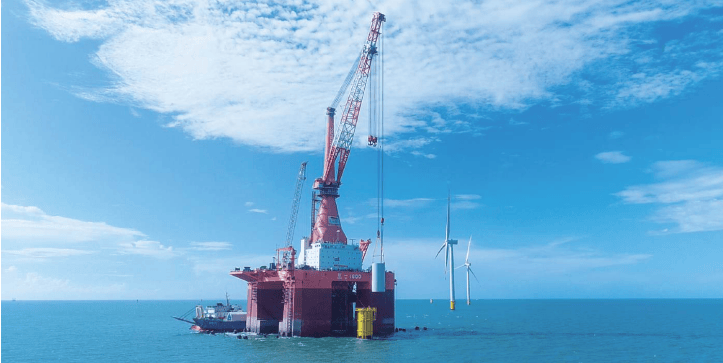
"Shunyi 1600" Deep-submerging Bottom-sitting Multi-functional Wind Power Engineering Vessel
Zhengli Offshore Engineering Co., Ltd.


ZY(J)7(M) Sealed Type Electro-Hydraulic Turnout Machine
TAIYUAN CR JINGFENG EQUIPMENT TECHNOLOGY CO., LTD.
Pantograph-Catenary Comprehensive Detection Device (1C)
CHENGDU TANGYUAN ELECTRIC CO., LTD.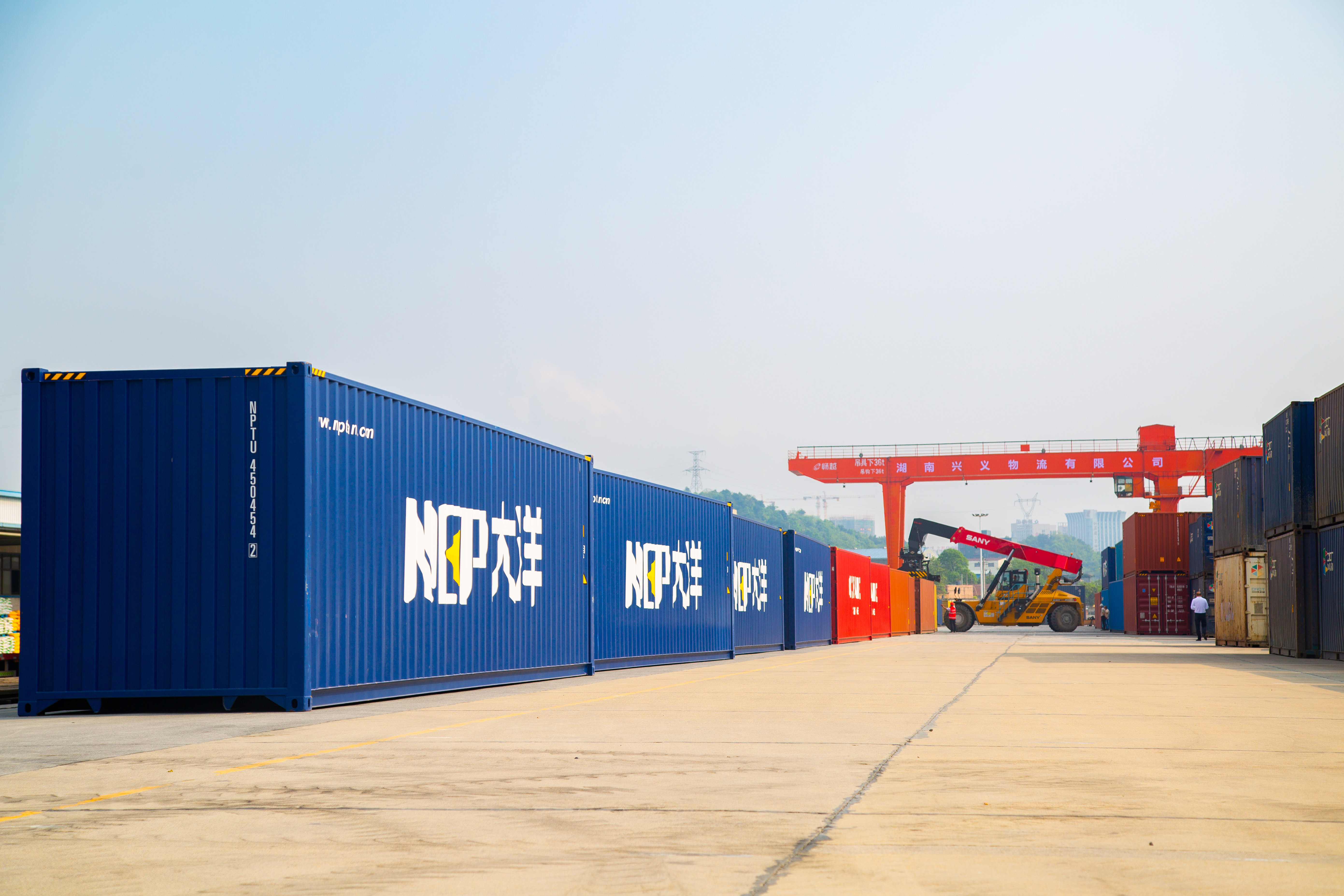
China - Alashankou/Khorgos - Europe Full Range Transportation (Mala/Hamburg/Duisburg/Budapest, etc.)
Shenzhen Neptune Logistics Co., Ltd.
CLW5180TXSD6 Dongfeng Tianjin Washing and Sweeping Truck
ChengLi Special Automobile Co., Ltd.