AFI KLM E&M Advances Advanced Engine Maintenance Capabilities in Amsterdam and Paris
en.Wedoany.com Report on Mar 23rd, AFI KLM E&M has made significant progress on the Leap engine program, covering both Leap-1A and Leap-1B models, with related capabilities fully implemented and industrialized in Amsterdam and Paris. This includes complete performance shop visit capabilities and test engine support lines. A key advantage is flexibility; both locations support both engine models, allowing workload to be balanced based on capacity and customer demand. The company is prepared for its first performance restoration shop visit, which is expected to be realized soon.

This year, AFI KLM E&M's focus is clearly on component repair, with particular emphasis on advanced repair capabilities. The company is advancing the industrialization of part repairs at full speed. At its CRMA subsidiary, combustion chamber repairs for both Leap-1A and Leap-1B are fully operational. At the AFI and KLM E&M engine shops, development for high-pressure turbine disks and compressor discharge pressure seals is progressing and expected to be ready later this year. Advanced repair capabilities are crucial for managing Leap maintenance costs, making accelerated repair industrialization necessary. The current limiting factor is that the OEMs are still finalizing approvals and releases for some advanced repairs; once released, the company will be ready.
This work primarily involves life-limited parts and components, such as combustion chambers and rotating parts. AFI KLM E&M's expertise in combustion chambers is based on experience repairing GE GEnx combustion chambers, which in many aspects is closer to Leap technology. The company possesses a clear and tangible competitive advantage, having accumulated extensive knowledge on rotating parts at KLM E&M, including the GEnx fan mid-shaft. It is noteworthy that the technological gap between the CFM56 and Leap is significant, with the Leap engine being closer to GEnx technology.
As part of the Leap Premier MRO network, AFI KLM E&M has strong relationships with OEMs and is collaborating with GE Aerospace to develop repair and technology roadmaps. Greater cooperation is expected in industrializing advanced repairs, which is important for operator cost control. Simultaneously, the company is significantly increasing capacity, with Leap capacity set to double this year in both Amsterdam and Paris. Flexibility between the two locations is a major advantage, allowing work to be transferred if one site lacks available work stands.
Currently, AFI KLM E&M faces three main challenges in the Leap program: supply chain disruptions, on-wing time, and repairability. Supply chain issues affect all engine programs and can lead to shop performance and capacity loss. Regarding on-wing time, the key question is how much improvement OEMs can achieve through durability kits and enhancements, with proof to be seen in operational results. For repairability, the use of more advanced materials and complex designs in the Leap raises questions about repair feasibility and investment needs. Based on its position as a center of excellence for engine component repair, the company is well-suited to industrialize repairs with high added value.
Related Products


Industrial and Commercial Point-Type Gas Detector
Jinan Benan Technology Development Co., Ltd.
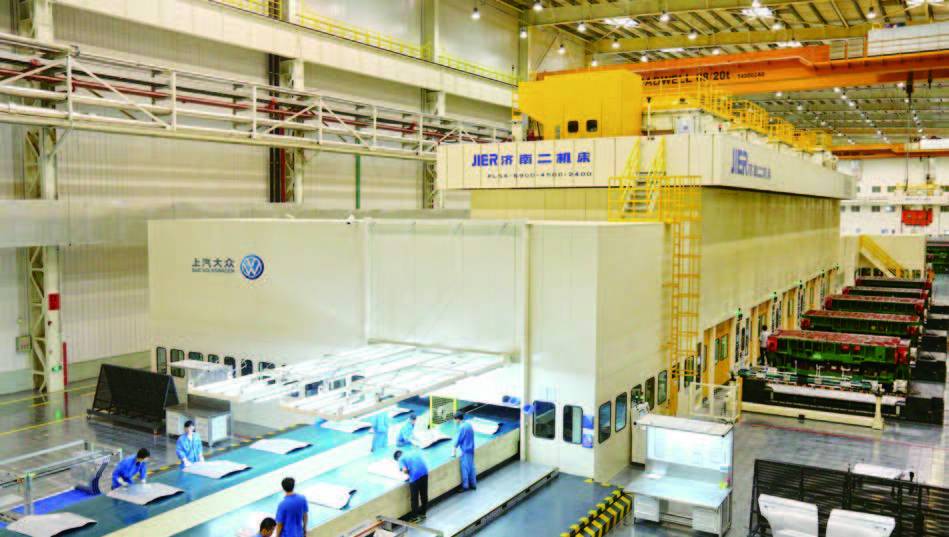
High-Speed Flexible Fully Automatic Stamping Production Line
JIER Machine-Tool Group Co., Ltd.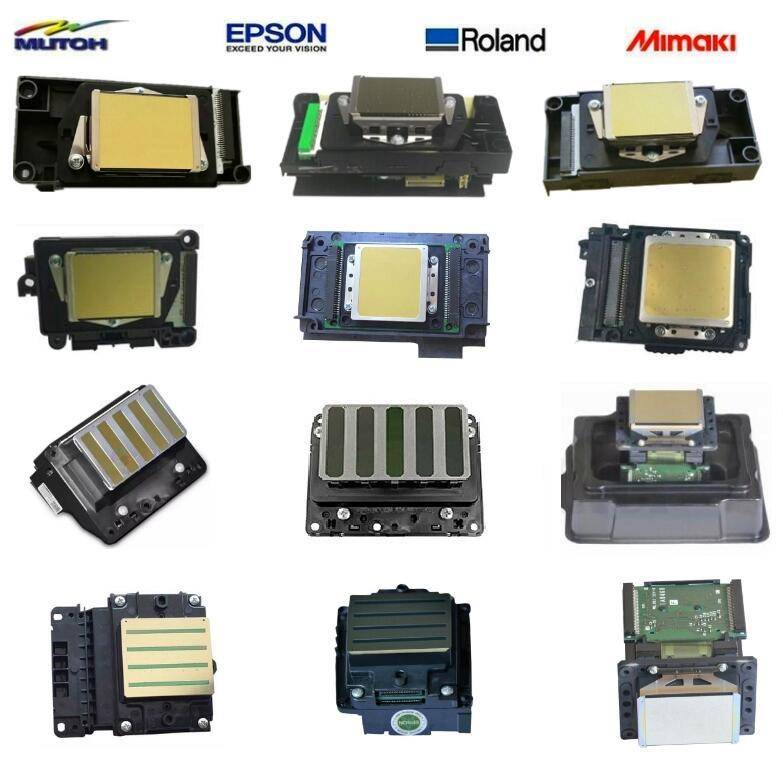

CAP1400 main feedwater flow nozzle flowmeter.
Jiangsu Hongda Instrument Technology Co., LTD.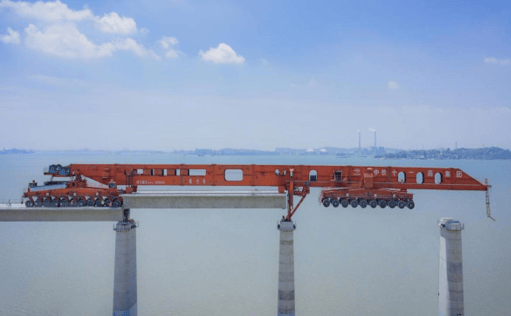
High-Speed Railway Lifting, Transporting, and Erecting Equipment: Integrated Transport and Erection Machine
Hanjiang Heavy Industry Co., Ltd. of China Railway 11th Bureau Group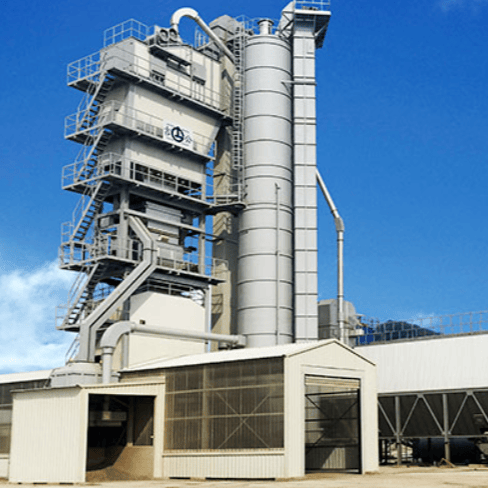
LBH4000 Batch Environmental Protection Asphalt Mixing Plant | Asphalt Batching Plant | Asphalt Mixing Plant
Jilin Province Road Construction Machinery Co., Ltd.
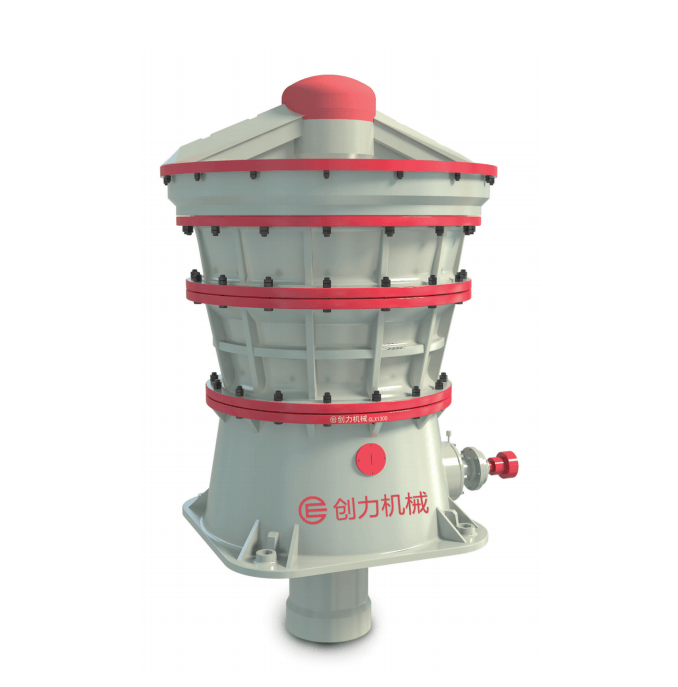
CLX Series Intelligent Hydraulic Gyratory Crusher
Guangdong CHUANGLI intelligent machinery Equipment Co., LTD
Strip Coating and Plating Production Line Equipment
MCC-SFRE HEAVY INDUSTRY EQUIPMENT CO., LTD.