UK's Transport for Wales Launches £14 Billion South Wales Rail Electrification Project
en.Wedoany.com Report on Mar 26th, Transport for Wales (TfW) recently unveiled a £14 billion railway project plan focused on enhancing transport services in the West South Wales region. The project includes electrifying the mainline railway to Swansea and constructing several new stations to improve connectivity in the area. This initiative, supported jointly by the UK government and the Welsh Government, aims to integrate rail services with a new franchised bus system to form a unified public transport network.
The proposal covers a series of long-term railway upgrades in West South Wales as part of a broader national strategy. Key measures include electrifying the mainline from London to reduce travel times and increase service capacity. The plan also envisages building new stations in Swansea, providing direct connections to employment zones, hospitals, and major attractions. The core objective is to combine these rail services with a reformed bus franchise to create a single public transport system with unified timetables and ticketing.
Against the backdrop of challenges facing major UK rail infrastructure investments, TfW's £14 billion vision, while relatively smaller in scale compared to other projects, also faces scrutiny. For instance, the HS2 project has already cost £43.6 billion and is seeking ways to reduce delays and save funds; the Northern Powerhouse Rail (NPR) project is also under investigation for cost and delivery risks. Although the Welsh Government has committed £115.9 million to the transport system, TfW's vision relies on support from the UK central government, placing it in an environment of strict capital expenditure scrutiny.
This proposal for Wales contrasts with the trend of delays and cost reviews in UK rail projects. While the economic and connectivity goals are clear, TfW's vision may encounter obstacles in securing funding and meeting delivery timelines. Its success may depend on the ability to demonstrate value for money and avoid the planning and budgeting issues seen in other major UK schemes. According to data from public sector execution, the trend in UK high-speed rail investment for 2025 emphasizes cost savings and efficiency, which will be the standards the Welsh project needs to meet.
Related Products


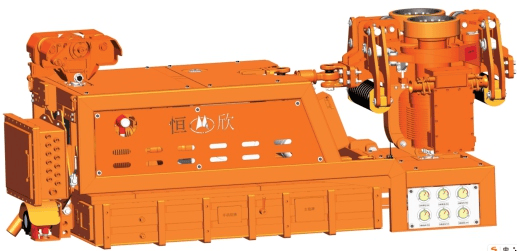
Explosion-proof lithium battery dispatching monorail crane locomotive (permanent magnet frequency conversion integrated machine)
Xiangtan Hengxin Industrial Co., Ltd.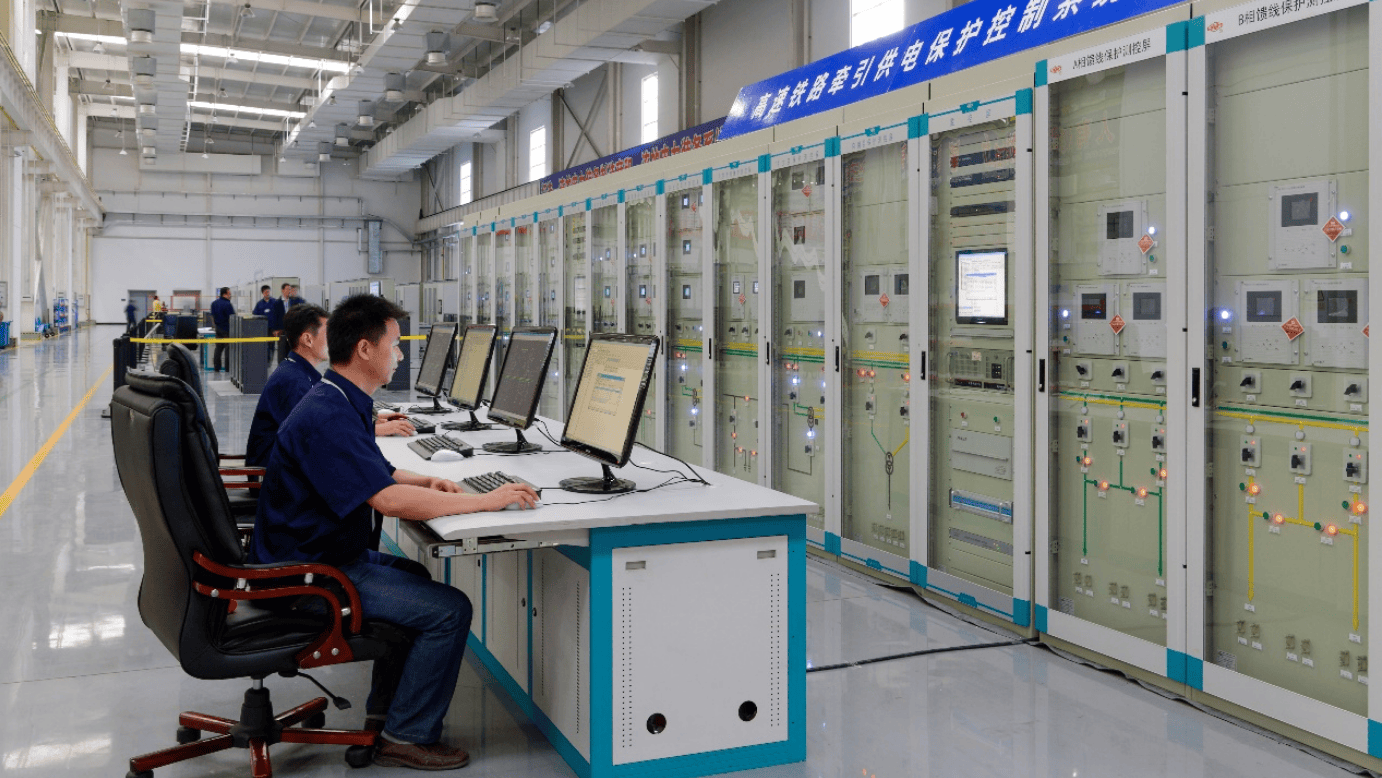
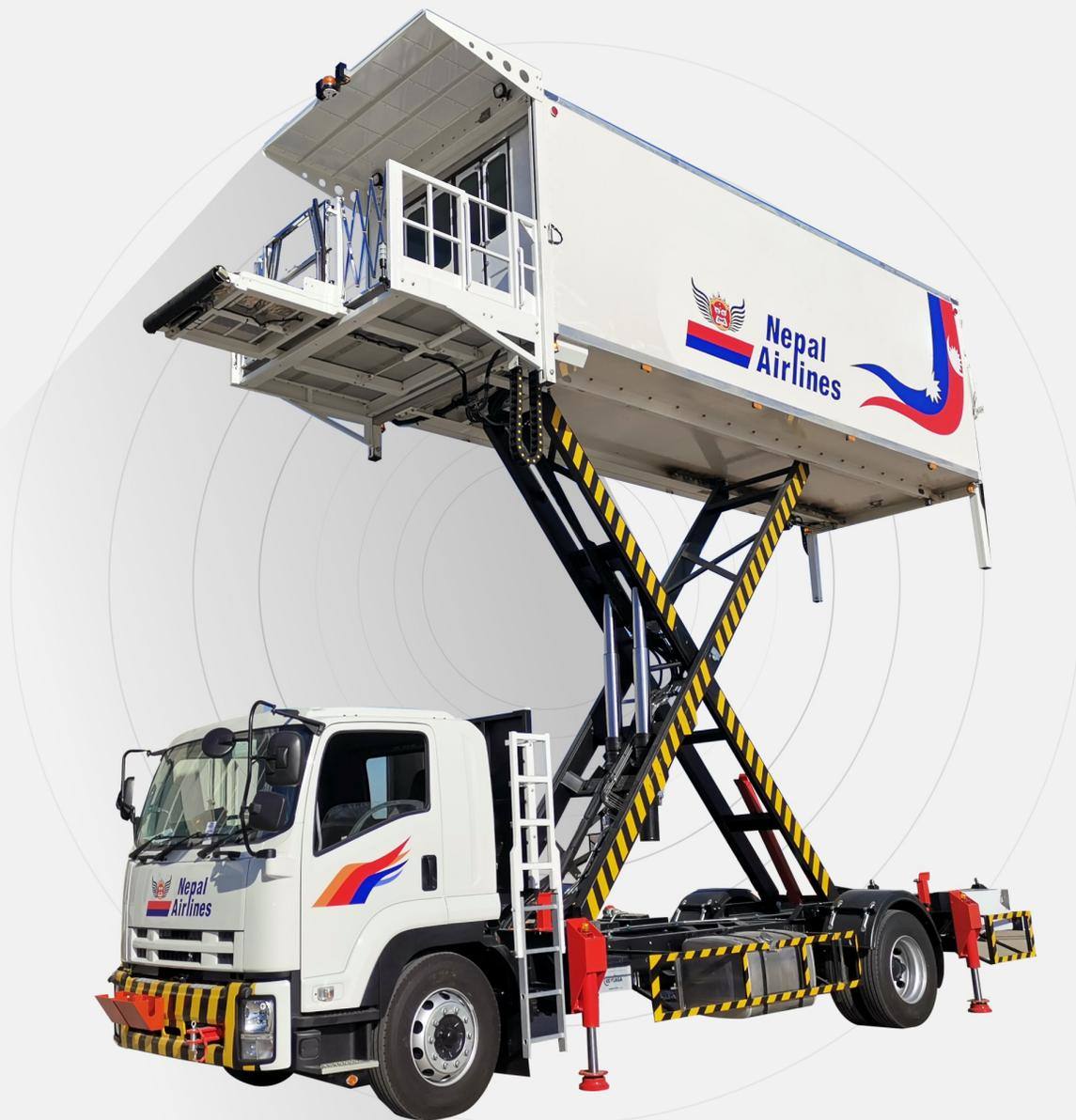
XC-6000e Type Aviation Catering Truck (Fuel Type)
Shenzhen CIMC-TianDa Airport Support Ltd.
CLW5180TXSD6 Dongfeng Tianjin Washing and Sweeping Truck
ChengLi Special Automobile Co., Ltd.
One-Stop Steward Service for the Entire Logistics System Integration Chain
Zhongding Intelligent (Wuxi) Technology Co., Ltd.