University of Warwick Team Discovers 100 New Exoplanets
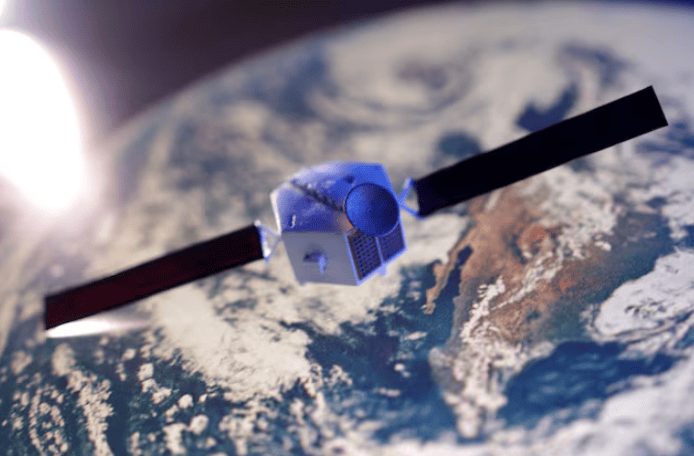
en.Wedoany.com Report on Mar 26th, An AI program named RAVEN, developed by researchers at the University of Warwick in the UK, has identified over 100 new exoplanets and flagged approximately 2,000 candidate planets while analyzing data collected by NASA's Transiting Exoplanet Survey Satellite (TESS). This discovery, based on observations of more than 2.2 million stars, helps accelerate the process of exoplanet detection.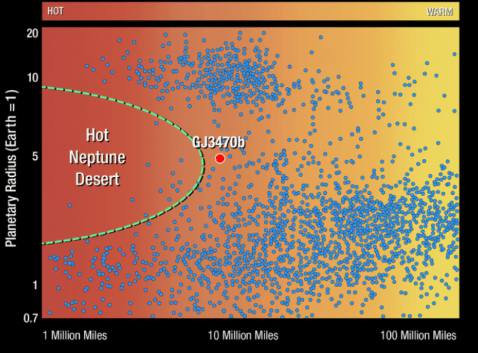
Team leader Marina Lafarga Magro stated: "This represents one of the most characterized samples of close-in planets and will help us identify the most promising systems for future study." RAVEN analyzes the changes in starlight caused by planetary transits in TESS data using machine learning, confirming planetary signals and ruling out other astrophysical interferences.
Lead developer Andreas Hadjigeorghiou pointed out: "The challenge lies in determining whether the light variation is caused by a planet or other factors, such as eclipsing binaries. RAVEN's strength is that its training dataset contains hundreds of thousands of simulated events." The tool integrates the entire process from signal detection to validation, improving analysis efficiency.
Researcher David Armstrong added: "RAVEN allows us to consistently analyze massive datasets and reliably map planetary distributions." The study found that about 10% of Sun-like stars host close-in planets, while Neptune-sized planets appear near only 0.08% of stars—a region known as the "Neptune desert."
Team leader Kaiming Cui emphasized: "For the first time, we have provided a precise figure for the emptiness of the 'Neptune desert,' showing that TESS can match or even surpass Kepler in studying planetary populations." The related findings have been published in the Monthly Notices of the Royal Astronomical Society and on the arXiv platform.
Related Products

One-Stop Steward Service for the Entire Logistics System Integration Chain
Zhongding Intelligent (Wuxi) Technology Co., Ltd.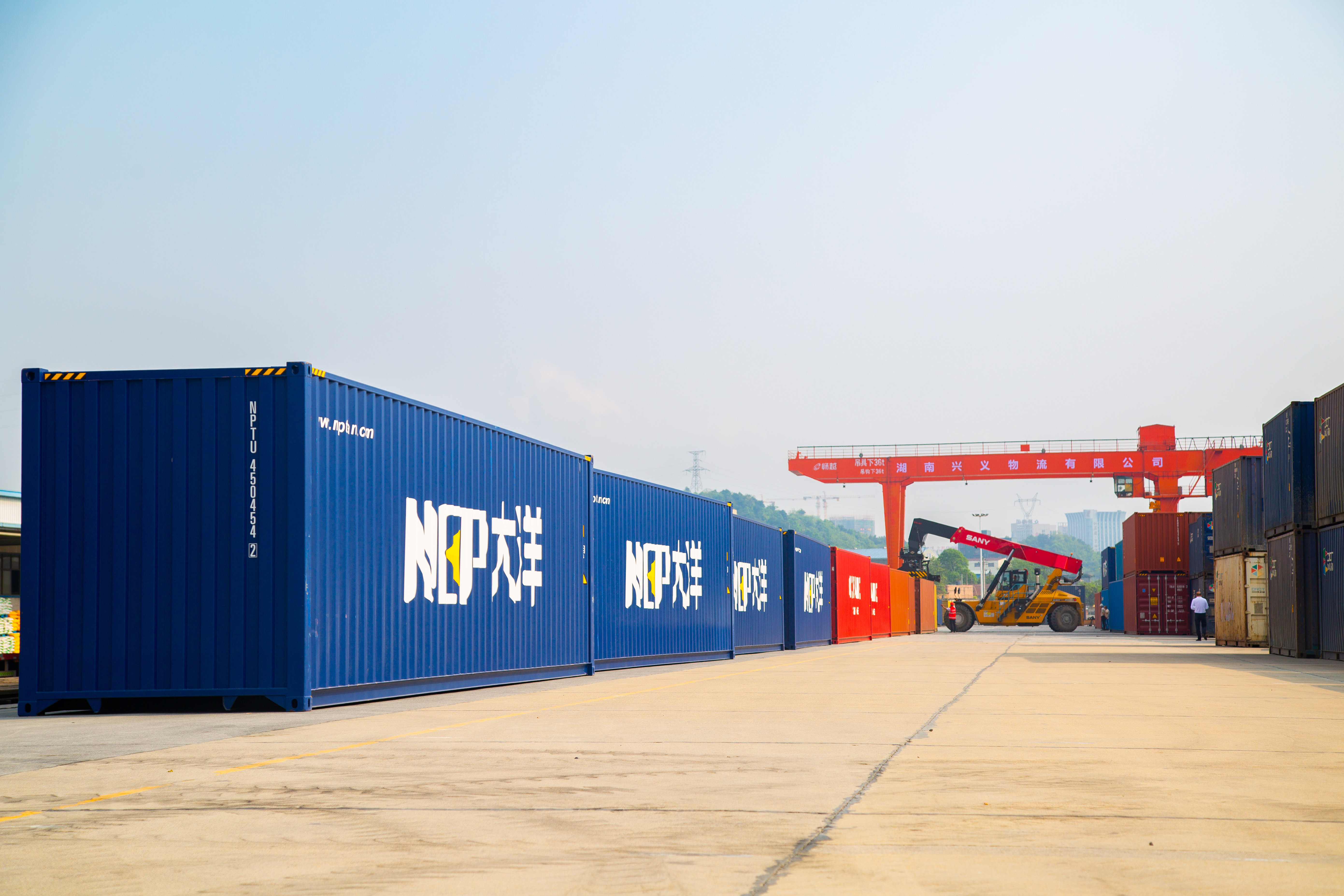
China - Alashankou/Khorgos - Europe Full Range Transportation (Mala/Hamburg/Duisburg/Budapest, etc.)
Shenzhen Neptune Logistics Co., Ltd.
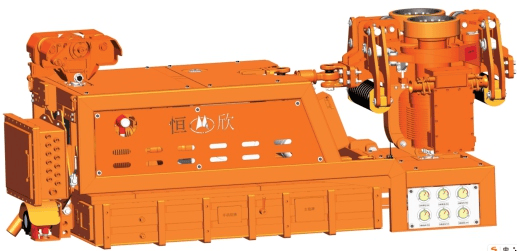
Explosion-proof lithium battery dispatching monorail crane locomotive (permanent magnet frequency conversion integrated machine)
Xiangtan Hengxin Industrial Co., Ltd.