Uneven internal bearing stress affects lifespan; engineers must focus on load distribution and clearance control.
en.Wedoany.com Report on Mar 28th, When a bearing operates, the stress on its internal rolling elements is not uniformly distributed. This uneven load distribution is a key factor affecting the bearing's service life. Some rolling elements bear pressure far exceeding the average, which can lead to premature failure.
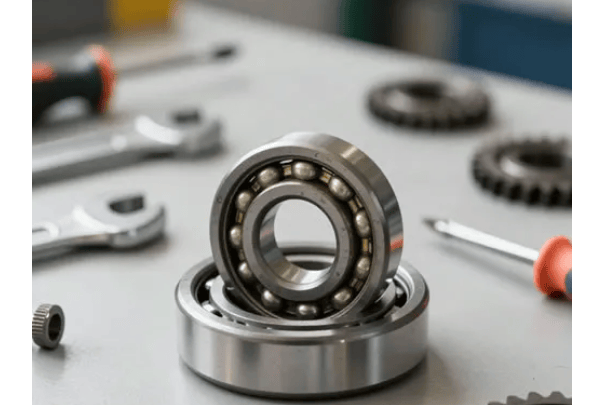
Under pure radial load, only about one-third of the rolling elements at the bottom actually bear the force. Taking a ball bearing as an example, the maximum load on a single rolling element (Qₘₐₓ) can reach 4.37 times the total radial force divided by the number of rolling elements. This means that with fewer rolling elements, each element bears a heavier burden. Under pure axial load, all rolling elements share the force almost equally, resulting in a more balanced stress distribution. In the case of combined load (radial plus axial), the load distribution is no longer symmetrical, and the point of maximum stress shifts, determined by the load distribution angle. The greater the axial force, the more concentrated the high-load area becomes, significantly increasing the pressure on individual rolling elements.
Qₘₐₓ is a core indicator for assessing fatigue risk; it reflects real-world operating conditions more accurately than the total external load. Clearance control is also crucial, and bigger is not always better. Increasing radial clearance reduces the number of load-bearing rolling elements, causing Qₘₐₓ to rise significantly. For example, under the same radial force, excessive clearance might reduce the number of balls sharing the load from six to three, doubling the load on each ball, accelerating pitting and spalling. This is a common cause of premature bearing failure.
Standard life calculations are based on statistical averages. However, in reality, if one rolling element fails first due to an excessively high Qₘₐₓ, the entire bearing may experience a chain reaction failure. This explains the discrepancy between calculated average life and actual experience. Engineers should pay attention to Qₘₐₓ estimation during selection, especially under heavy load or shock conditions. Strictly control installation clearance to avoid the misconception that looser is better. In combined load scenarios, prioritize angular contact or tapered roller bearings, as their design helps distribute combined stresses. Understanding the flow mechanism of internal bearing loads can fundamentally improve equipment reliability.
Related Products
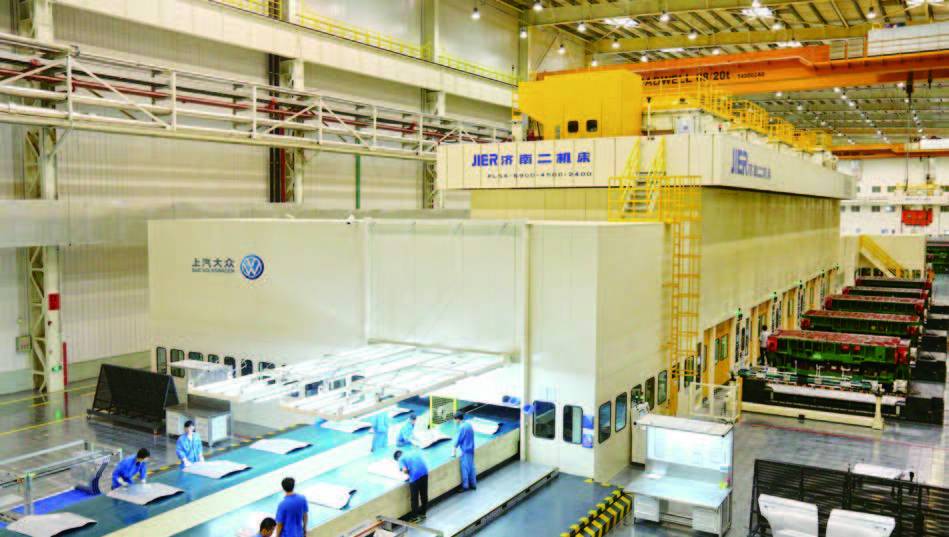

High-Speed Flexible Fully Automatic Stamping Production Line
JIER Machine-Tool Group Co., Ltd.
Strip Coating and Plating Production Line Equipment
MCC-SFRE HEAVY INDUSTRY EQUIPMENT CO., LTD.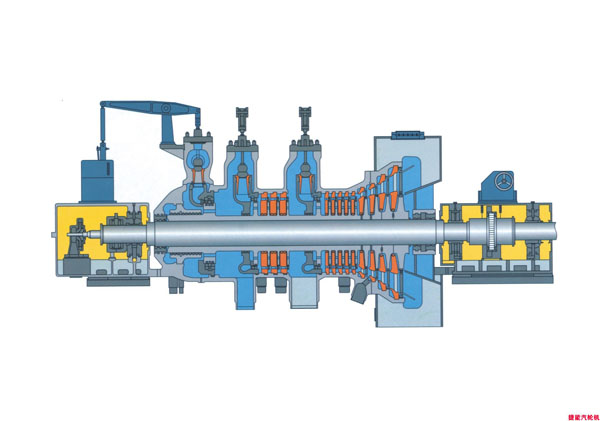
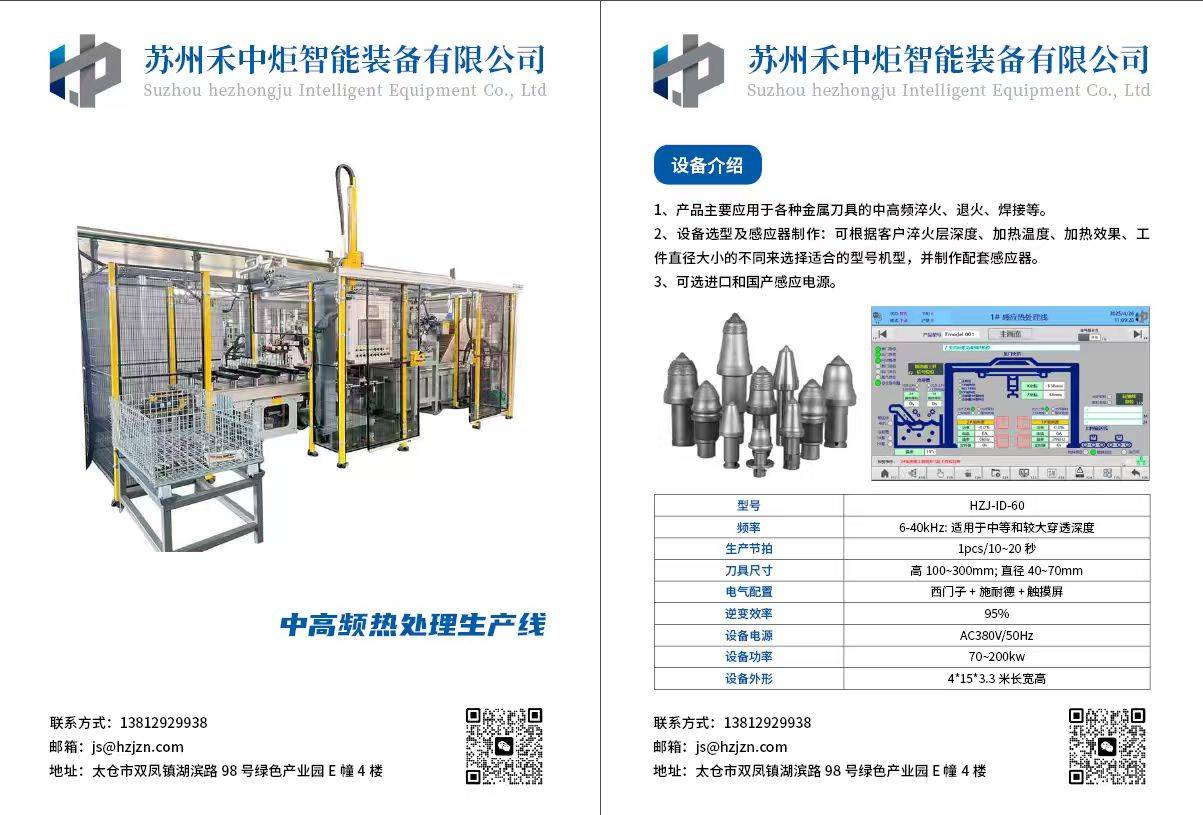
Excavator Bucket Teeth Heat Treatment Production Line
Suzhou Hezhongju Intelligent Equipment Co., Ltd.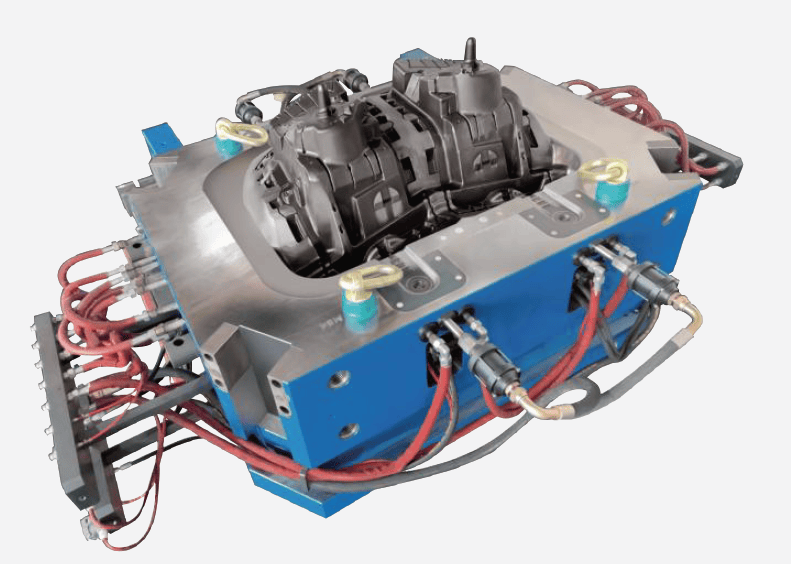
Aluminum-Magnesium Alloy High-Pressure Die-Casting Molds
NINGBO HELI TECHNOLOGY CO., LTD.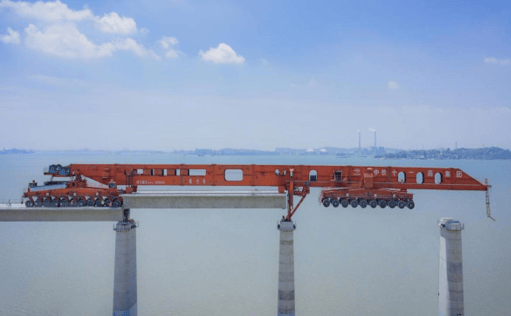
High-Speed Railway Lifting, Transporting, and Erecting Equipment: Integrated Transport and Erection Machine
Hanjiang Heavy Industry Co., Ltd. of China Railway 11th Bureau Group
Industrial and Commercial Point-Type Gas Detector
Jinan Benan Technology Development Co., Ltd.

Pneumatic high-pressure wear-resistant ball valve
Zhejiang Deca Control Valve Meter Co., Ltd.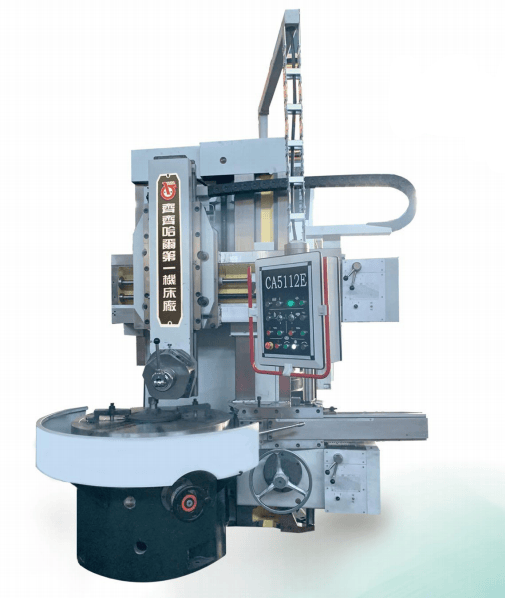
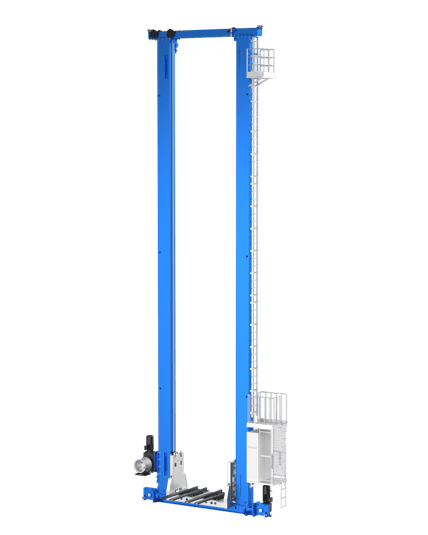
Pallet Solutions Product Line: HD3000 Double-Column Stacker Crane
Zhongding Intelligent (Wuxi) Technology Co., Ltd.