Chinese Academy of Agricultural Sciences Research Reveals Molecular Regulatory Network Underlying Maize Heterosis, Providing Theoretical Basis for Molecular Breeding
en.Wedoany.com Report on Mar 28th, Recently, the team for the discovery and innovative utilization of elite maize germplasm resources at the Institute of Crop Sciences of the Chinese Academy of Agricultural Sciences, in collaboration with related institutions, elucidated the molecular regulatory network underlying heterosis formation and its dynamic changes during the breeding process. The related research findings were published in the Plant Biotechnology Journal.
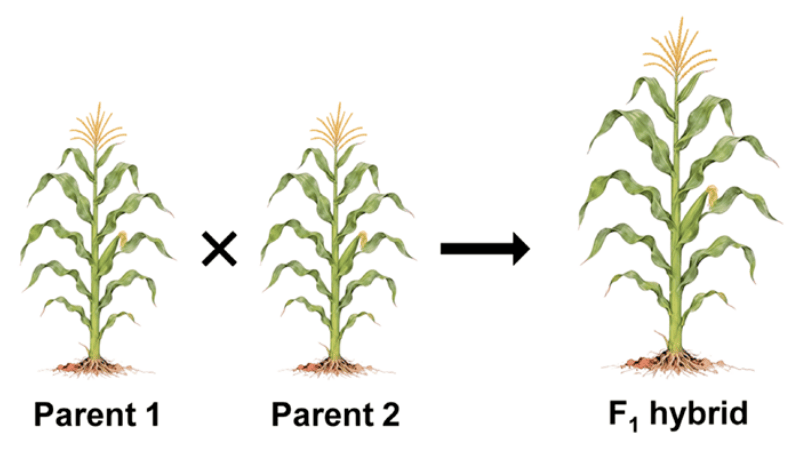
Since the promotion of hybrid varieties in the 1960s, China's maize yield per unit area has increased by approximately 2.7 times, with 51% of the gain attributed to the selection, breeding, and application of superior hybrids. However, the molecular mechanisms underlying heterosis formation remain unclear, which hinders the development of maize molecular breeding.
By analyzing representative maize hybrids and their parental lines in China since the 1960s, the research team found that photosynthesis-related genes in hybrids were significantly upregulated compared to their parents, while stress response-related genes were significantly downregulated. This pattern helps hybrids allocate resources more efficiently and increase yield. Further research revealed that the modern hybrid breeding process continuously eliminates or compensates for deleterious variations, and the proportion of deleterious alleles suppressed in expression in hybrids increases synchronously with yield and breeding era. Meanwhile, hybrids exhibit lower transcriptome entropy and higher gene regulatory network plasticity, granting them stronger environmental adaptability. This study reveals the molecular regulatory network underlying heterosis formation, providing a theoretical basis for maize molecular breeding.
This research was supported by the National Key Research and Development Program of China, the National Modern Agricultural Industry Technology System, and the Agricultural Science and Technology Innovation Program of the Chinese Academy of Agricultural Sciences.
Related Products
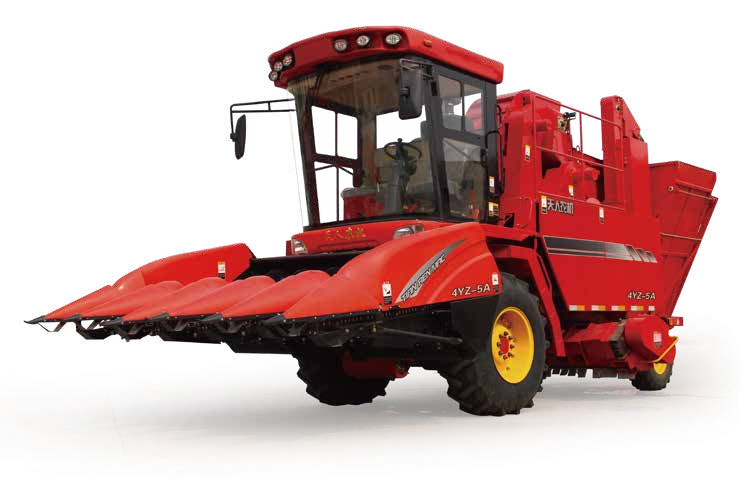

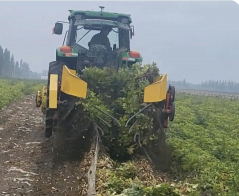
4HS-8 High-efficiency Peanut Inverted-laying Harvester
Hebei Yongfa Hongtian Agricultural Machinery Manufacturing Co., Ltd.


714CD Series C-Band Weather Radar
Chengdu Zhongdian Jinjiang Information Industry Co., Ltd.
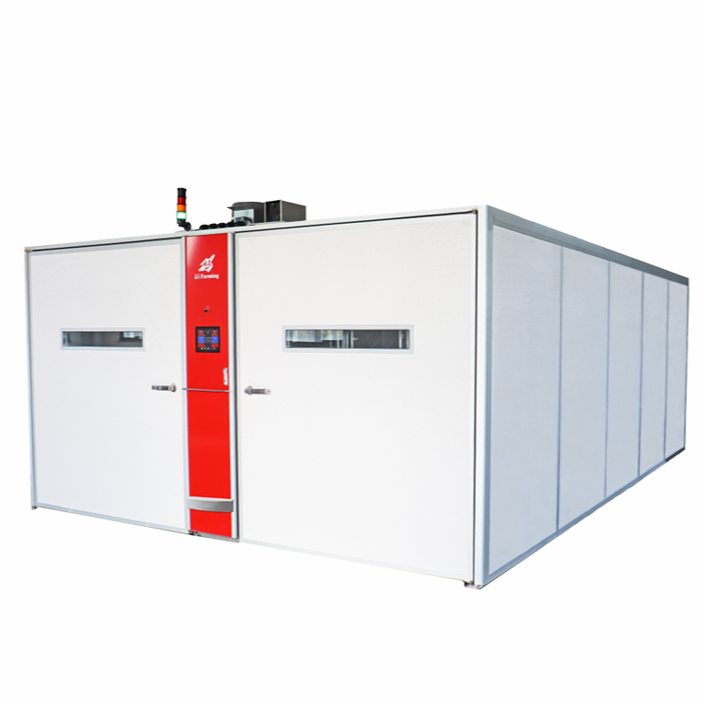

Industrial and Commercial Point-Type Gas Detector
Jinan Benan Technology Development Co., Ltd.