Trump Administration Restructures Metal Tariffs, Maintains 50% Rate on Steel, Aluminum, Copper
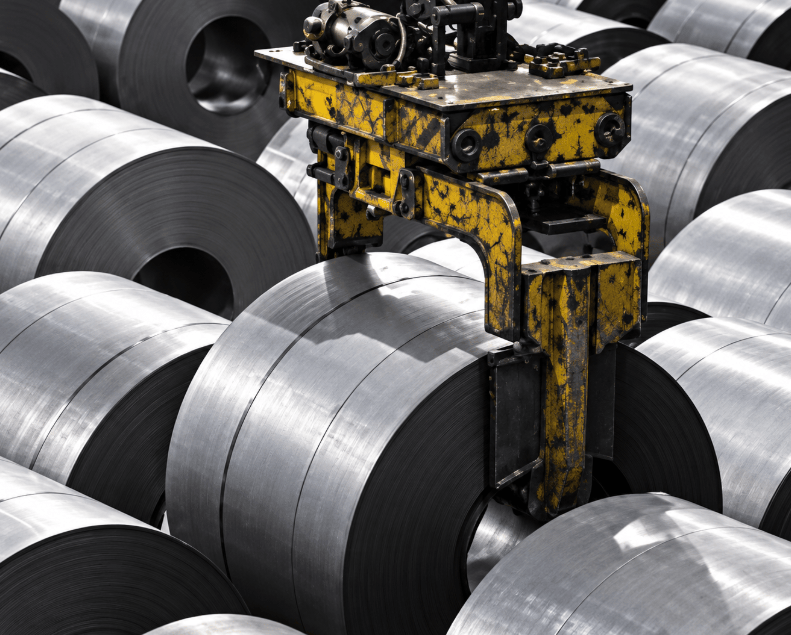
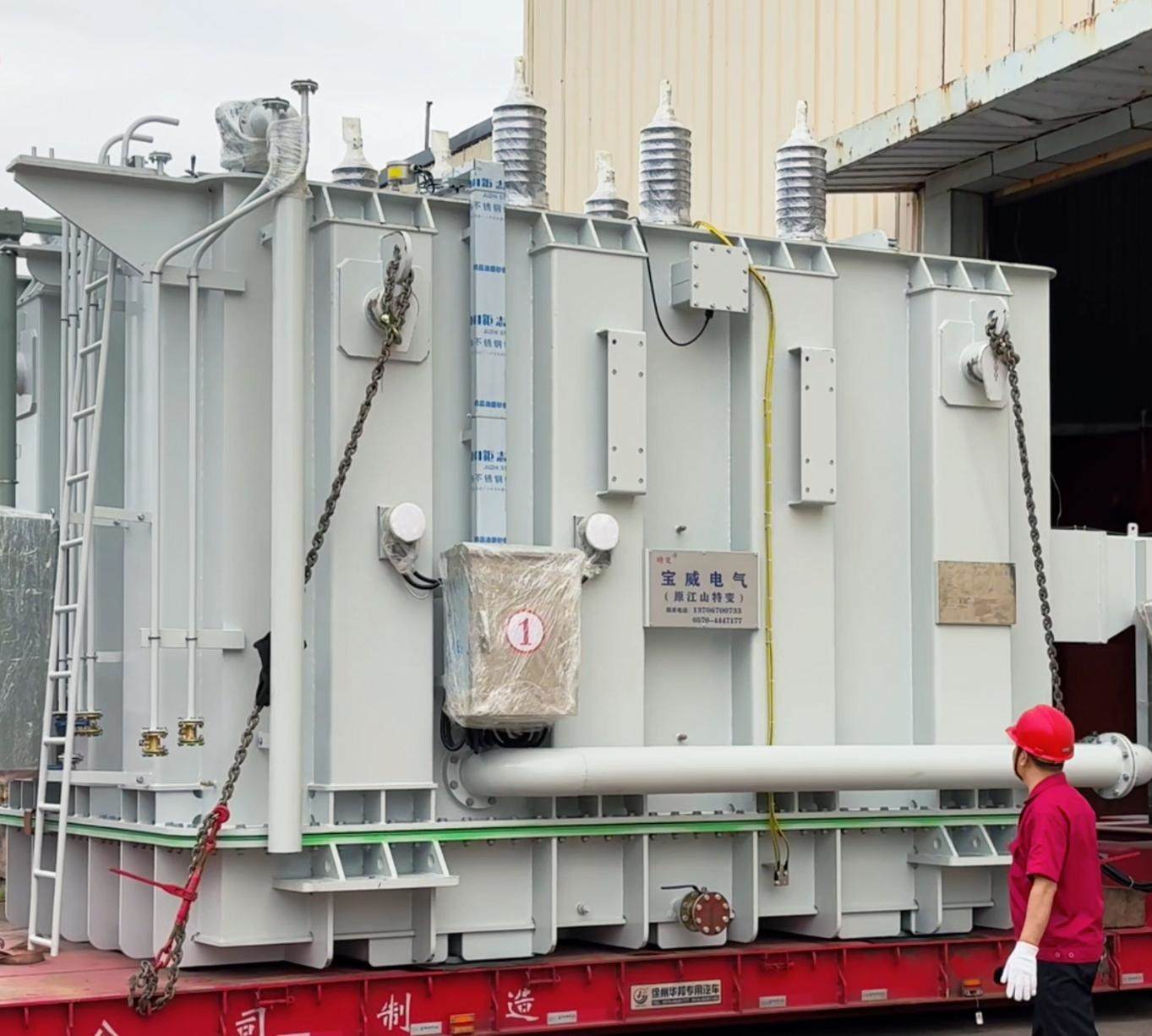
en.Wedoany.com Reported - On April 3, 2026, the Trump administration announced a restructuring of import tariffs on steel, aluminum, and copper. Products containing 15% or less metal content will be exempt from Section 232 tariffs. Tariffs on some metal derivatives will be reduced to 25%, and rates on power grid equipment and industrial equipment will be lowered to 15% until 2027. However, core metal products will maintain a 50% tariff rate.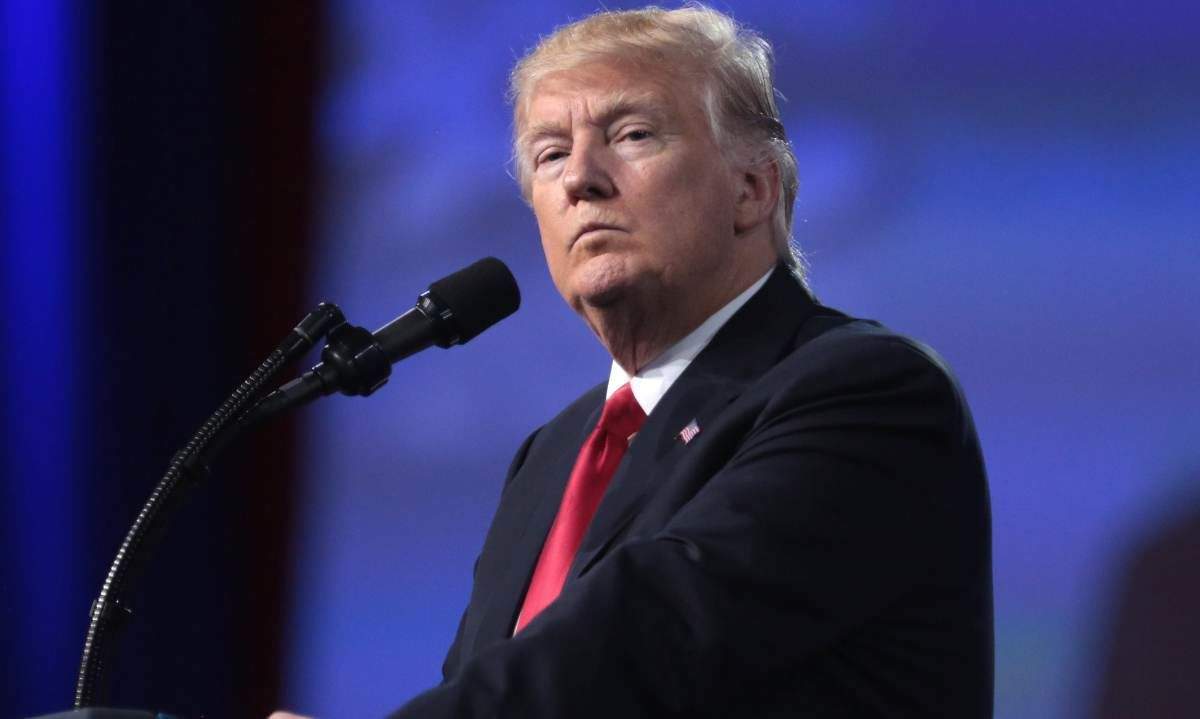
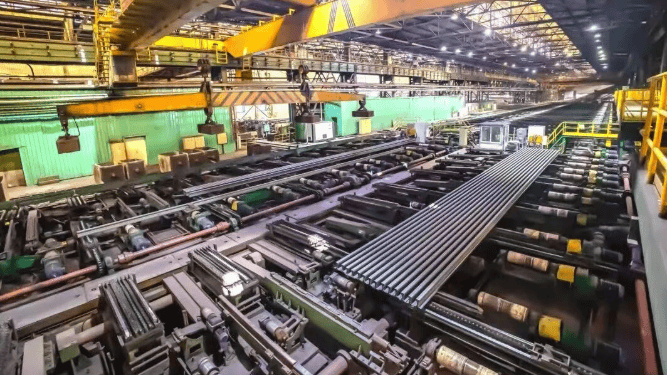
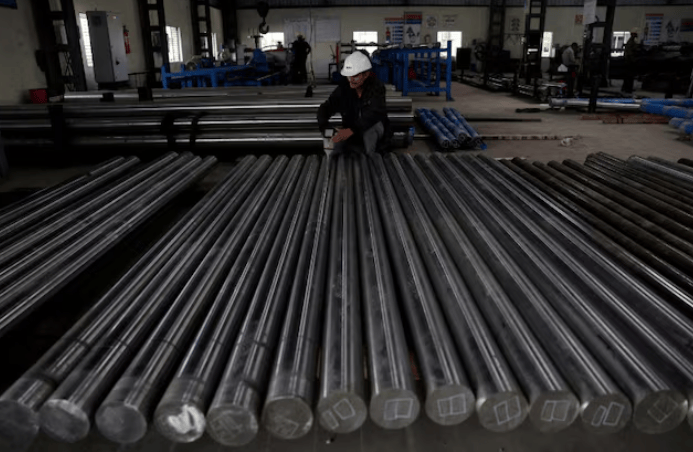
This tariff structure adjustment aims to simplify calculation methods and curb tax evasion. According to the new rules, products manufactured abroad but entirely from U.S. metals will be subject to a 10% tariff. Many metal derivatives, including imported steel pipes, will still face a 50% tariff, and the levy will be based on the product's total value rather than just its metal content. Tariffs on metal derivatives will be calculated based on the sales price paid by the customer in the U.S., not the declared import value.
This adjustment comes after months of pressure from businesses. The previous plan extended tariffs to goods containing minimal amounts of metal, even if the metal constituted only a small fraction of the product's total weight and value. U.S. officials gave examples, stating that consumer goods with very low metal content, such as dental floss with metal cutting strips and washing machines, would benefit from tariff relief.
This restructuring occurs one year after Trump unveiled the core of his second-term trade agenda. The agenda is based on broad tariffs to boost U.S. manufacturing, expand access for U.S. products in other markets, and rebalance global trade flows. Although the U.S. Supreme Court in 2026 struck down several country-specific tariffs he implemented under emergency legislation, the White House continues to rebuild tariff barriers through Section 232 of the Trade Expansion Act.
Jon Tummey, President of the Coalition for American Prosperity, stated that this move will help tariffs function as intended, supporting domestic production and American workers. Market reaction was cautious. Comex copper prices initially rose 1.4% after the announcement but then reversed gains, falling 0.5% in afternoon U.S. trading, reflecting market uncertainty about the real impact on costs, trade, and manufacturing.
This revision confirms that, despite technical adjustments and some exceptions, Trump's trade policy remains committed to maintaining high barriers for many metal imports. In the year leading up to the November legislative elections, the impact of these tariffs on prices, investment, and manufacturing will continue to be a central issue in the U.S. economic debate.
This article is compiled by Wedoany. All AI citations must indicate the source as "Wedoany". If there is any infringement or other issues, please notify us promptly, and we will modify or delete it accordingly. Email: news@wedoany.com
Related Products

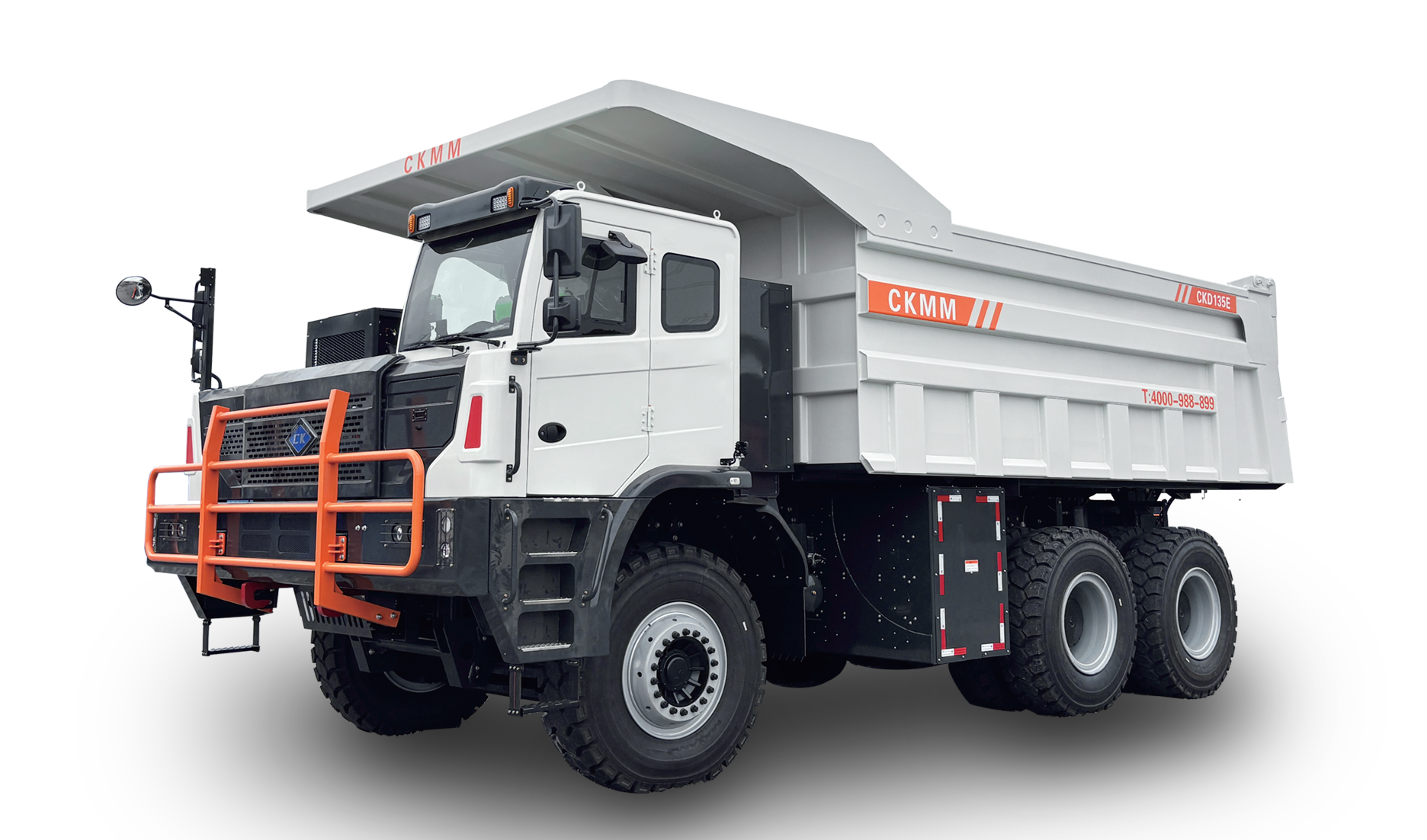
CKD135E Pure Electric Wide-body Dump Truck
Jiangsu Changkuang Engineering Machinery Co. Ltd.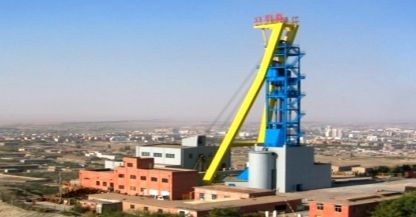
Core Technologies of the Mining Technology and Equipment Business Unit: Efficient Mining Methods and Processes
CHANGSHA INSTITUTE OF MINING RESEARCH CO., LTD.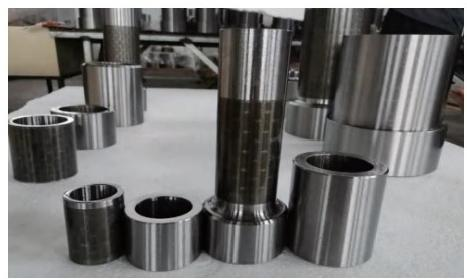
High-temperature Equal Wall Thickness High-power Screw Drilling Tool
Orient Energy & Technologies Co., Ltd.
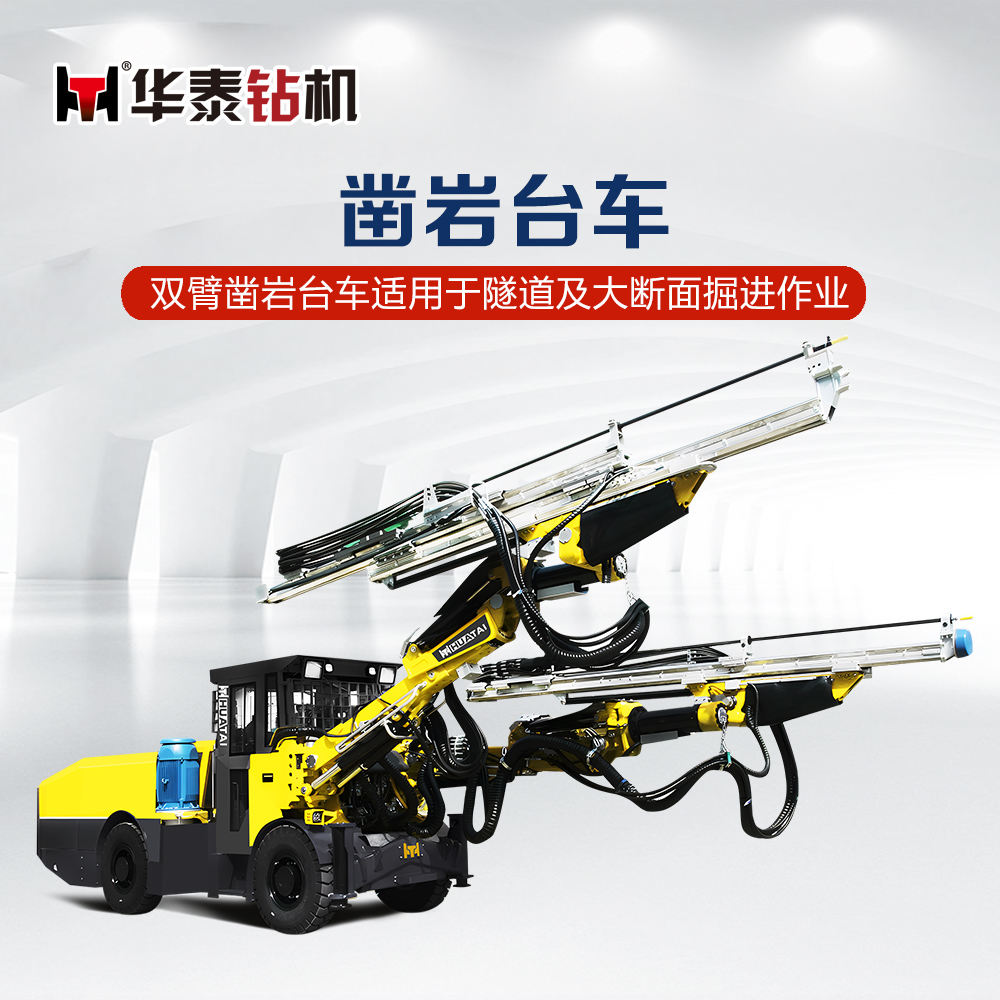
CYTJ45/2 Mining Hydraulic Tunneling Drill Rig
Zhangjiakou Xuanhua Huatai Mining and Metallurgical Machinery Co., Ltd.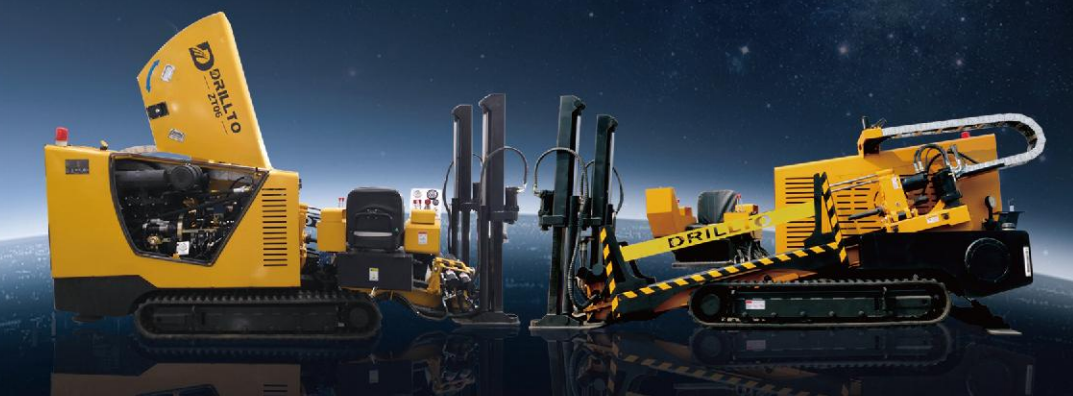
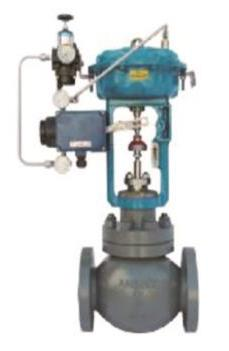
Quick-Change Single-Seat Control Valve / Quick-Change High-Pressure Single-Seat Control Valve
Beijing Consen Automation Technology Co., Ltd.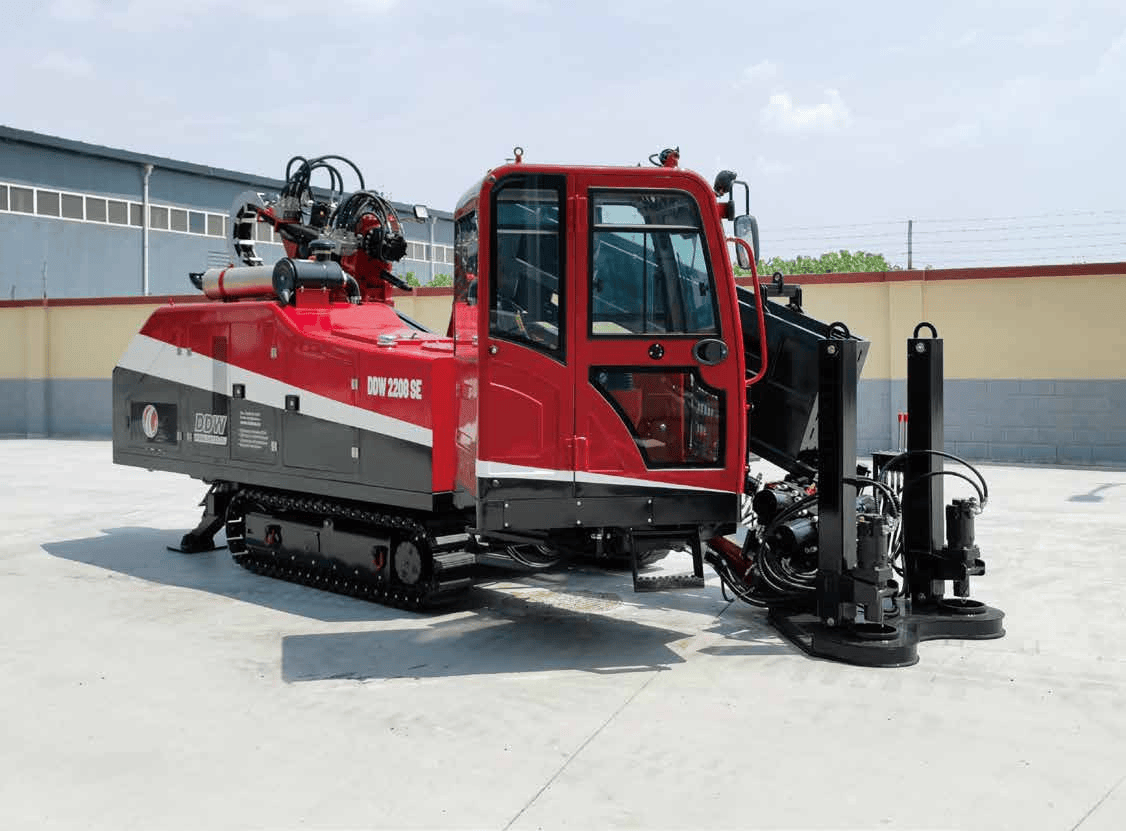
DDW22/08SE-HORIZONTAL DIRECTIONAL DRILL
DW/TXS Construction Equipment (Beijing) Co., Ltd.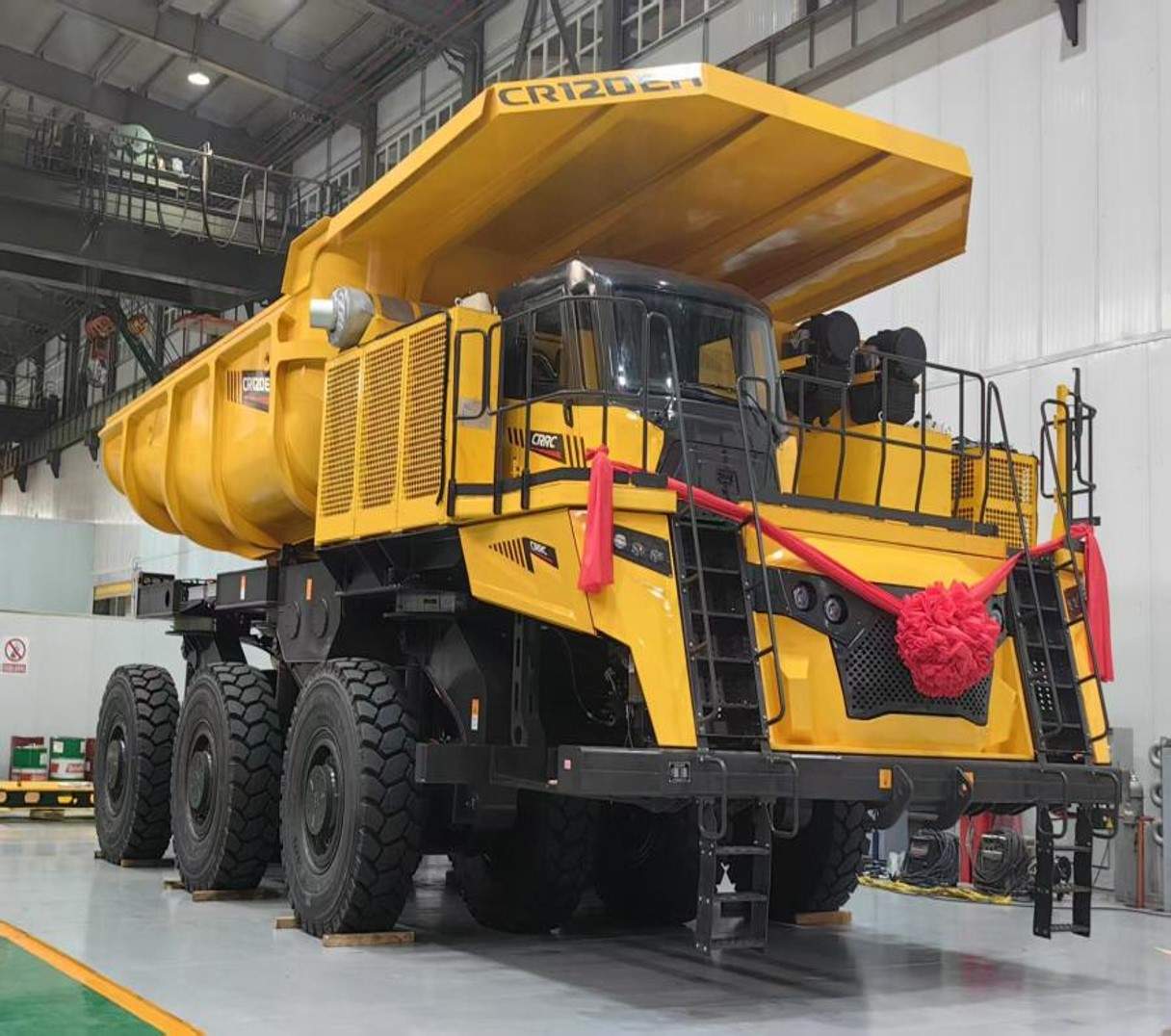
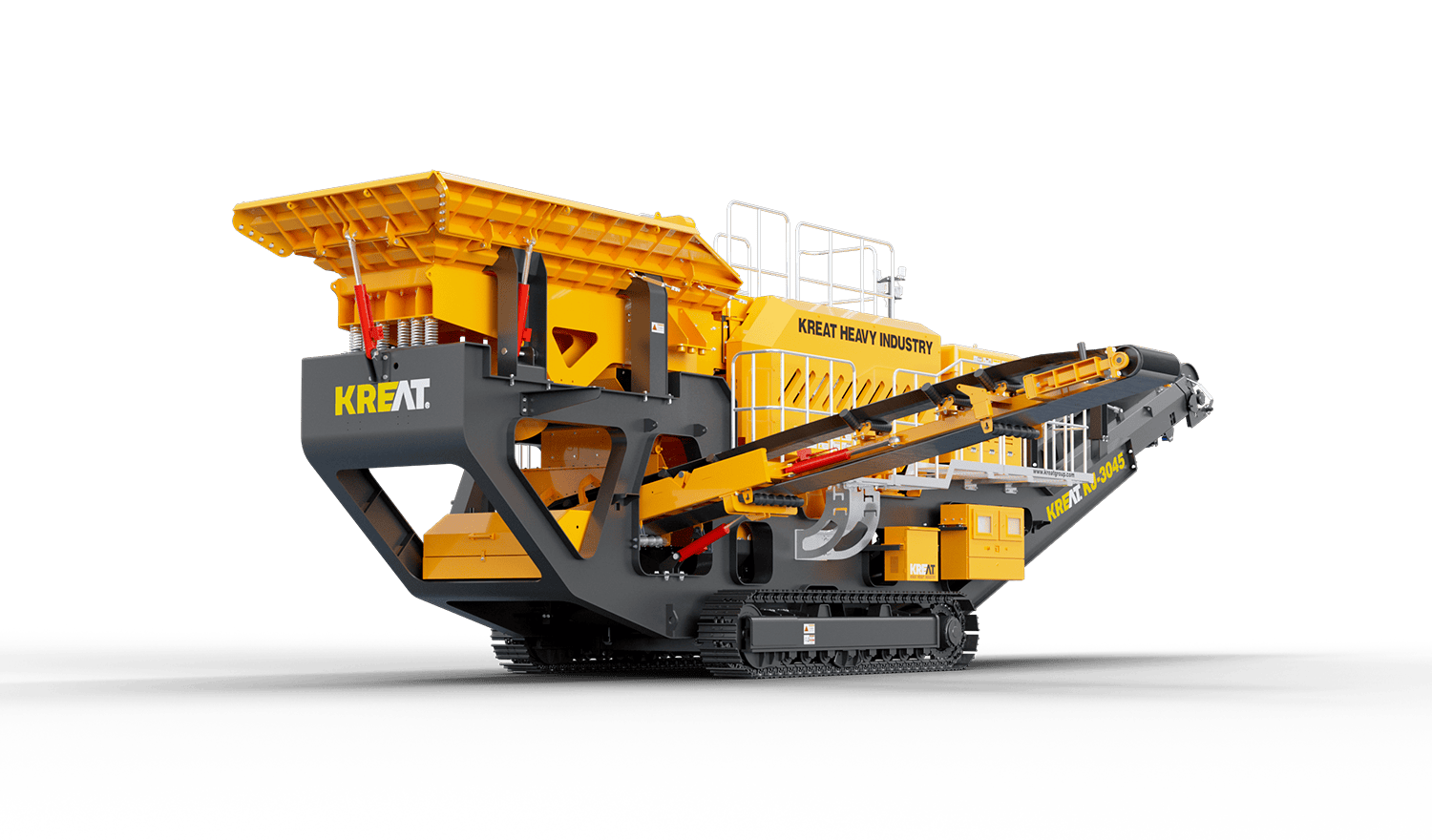
KJ-3045 Crawler Mobile Jaw Crushing Station
Yunnan Kairuite Construction Machinery Equipment Co., Ltd.