Domestication of China's Special Steel Nondestructive Testing Equipment: From the "Choke Point" List to the "Order Rush" Scene
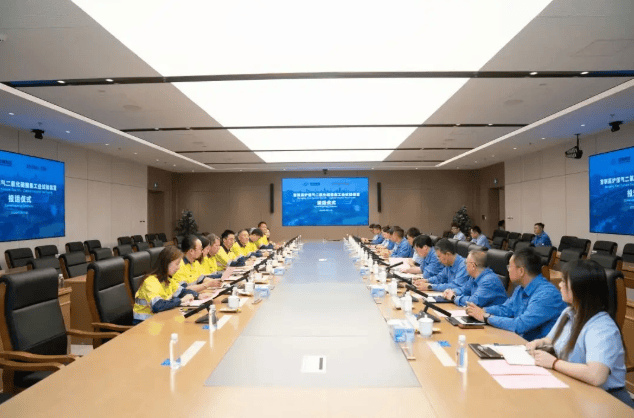
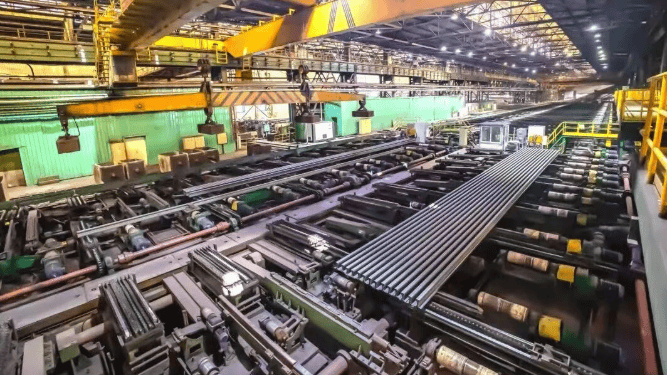
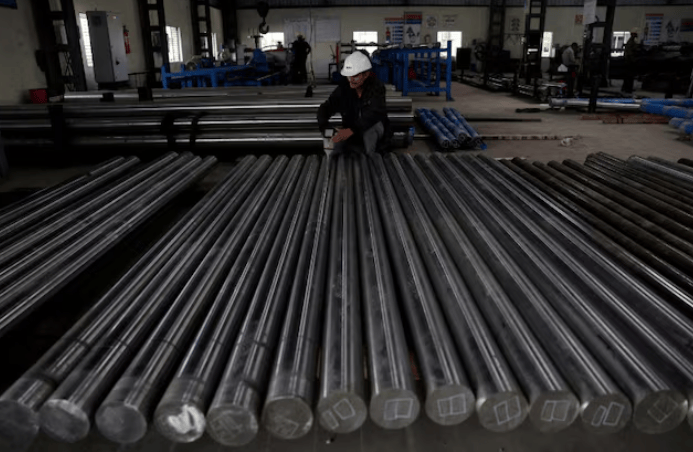
en.Wedoany.com Reported - On April 1st, a technical seminar on nondestructive testing for special steel enterprises was held in Wuhan, Hubei, China. The attendee list included both end-users like Xingcheng Special Steel, Fushun Special Steel, and Jiangsu Shenyuan, equipment suppliers such as Zhongke Innovation, Cangxin Nondestructive Testing, Gangyan Nake, and Huayu Yimu, as well as academic representatives from Tsinghua University and the China Iron & Steel Research Institute. Wang Wenjin, Executive President of the China Special Steel Enterprises Association, presented a set of data at the meeting: nearly 60% of the main testing equipment in China's special steel industry relies on imports, and by 2024, the proportion of loss-making core special steel enterprises had reached 46.2%.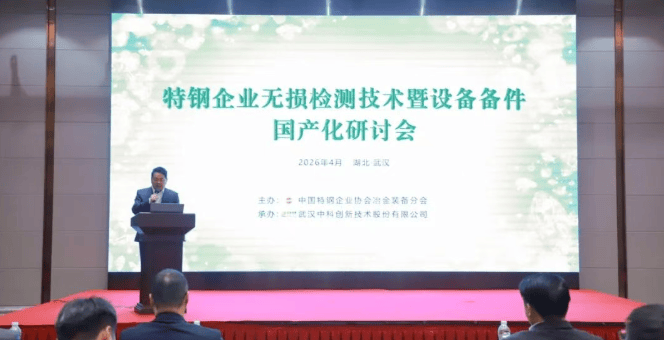
When "Import Dependence" Meets the "Winter of Profits"
The long-term monopoly of nondestructive testing equipment in the special steel industry by German, American, and Japanese companies is not news. However, the "48.7% profit decline" and "46.2% loss-making rate" mentioned by Wang Wenjin have turned "import dependence" from a technical topic into a survival issue.
Han Zhixiong, Chief Engineer of Zhongke Innovation, shared a timeline at the meeting: when he entered the industry in 2005, the gap between Chinese domestic equipment and foreign equipment was "at least 10 years"; now, the gap has narrowed to negligible levels, and there is even confidence to "become the world's best." This catch-up is not gradual but stepwise—when the pain points of high-priced imported equipment, high maintenance costs, and slow technological upgrades accumulate, the substitution window for Chinese domestic equipment opens.
The firsthand account from Sun Jianhua, Director of the Flaw Detection Plant of Jiangsu Shenyuan Group, is even more convincing: the company introduced its first imported equipment in 2009, and now 9 out of its 12 sets of flaw detection equipment are Chinese-made. More crucially, the domestic equipment has already passed Bosch's certification—"five years ago, this was unimaginable."
The "Three Hurdles" of Technological Breakthrough
From "usable" to "user-friendly," Chinese domestic nondestructive testing equipment has crossed three thresholds.
The first is data processing capability. The Total Focusing Method (TFM) is known as the "golden multi-tool" of ultrasonic testing, but a 128-channel probe collects up to 1 Gbit of data per scan, with astronomical computational demands. The HS Vertex FA128 product launched by Zhongke Innovation in October 2025 reduced the total data volume by 85% through a self-developed data compression algorithm. Combined with 10-gigabit network transmission and GPU parallel computing, it achieved real-time full-focus imaging—technically matching international giants.
The second is scenario adaptability. The high-frequency alternating current flux leakage technology independently developed by Huayu Yimu operates at frequencies up to 10–100 kHz, far exceeding the 6–7 kHz of mainstream international products. It is more sensitive to surface cracks on bars and can handle rough surfaces. In the field of plate inspection, domestic full phased-array products have added angled shear waves at plate edges, heads, and tails, filling functional gaps left by foreign equipment.
The third is service response speed. Domestic manufacturers offer 7×24-hour service, 2-hour response, and 48-hour on-site support, whereas imported equipment is "expensive to buy, expensive to use, and slow to repair." In the steel industry, where production line downtime means real financial losses, the generational gap in service capability is reshaping procurement decisions.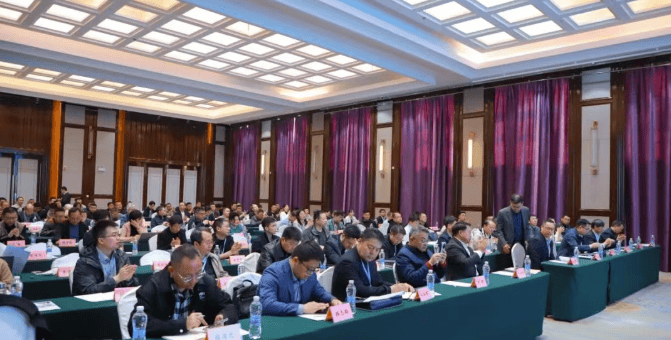
Domestic Substitution Triggers a Wave of Benefits Across the Industry Chain
If this domestic substitution continues to advance, which segments of the industry chain will be the first to change?
Upstream suppliers of core components may benefit first. Demand for domestic phased-array probes, high-frequency sensors, high-speed data acquisition cards, and other core components will rapidly increase. Currently, these areas still rely on imports, but the vertical integration capabilities of companies like Zhongke Innovation and Shantou Ultrasonic are strengthening.
System integrators with full-line delivery capabilities will gain structural opportunities. The inspection needs of special steel enterprises are shifting from "buying equipment" to "buying solutions"—from single flaw detectors to automated inspection production lines, from offline testing to online hot-state flaw detection. This means equipment suppliers need integrated capabilities in mechanical design, automation control, and data analysis, not just selling hardware.
Third-party inspection service providers also face a reshuffle. As domestic equipment costs decrease and performance improves, the barrier to entry for third-party inspection lowers, but the requirement for differentiated capabilities increases—those who can first master value-added capabilities like AI-assisted flaw judgment and big data analysis will gain the initiative in the new round of competition.
What Other Questions Remain for Enterprises to Ponder?
For industrial inspection equipment suppliers, the wave of domestication in the special steel industry provides an observation window: when end-user industries enter a cycle of "volume reduction development + profit pressure," import substitution often shifts from an "option" to a "necessity."
But the window of opportunity will not remain open indefinitely. Wang Wenjin called for "holding the rice bowl in our own hands" at the meeting. The implication is that domestic equipment manufacturers must complete the leap from "substitute" to "first choice" within 2–3 years. Otherwise, when the industry cycle reverses and imported brands counterattack with price cuts, the opportunity window may close again.
One confirmed trend is that the procurement logic for inspection equipment is shifting from "brand-oriented" to "capability-oriented." The passing of Bosch's certification and the batch applications by Xingcheng Special Steel and Fushun Special Steel prove that domestic equipment has crossed the "trust threshold." The next competition will be about who can respond faster to the special steel industry's new demands for online hot-state inspection, AI-assisted flaw judgment, and full-process data traceability.
For equipment suppliers, this is not a multiple-choice question but a required one.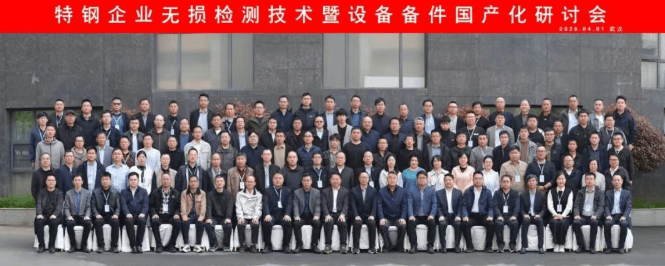
This article is compiled by Wedoany. All AI citations must indicate the source as "Wedoany". If there is any infringement or other issues, please notify us promptly, and we will modify or delete it accordingly. Email: news@wedoany.com
Related Products

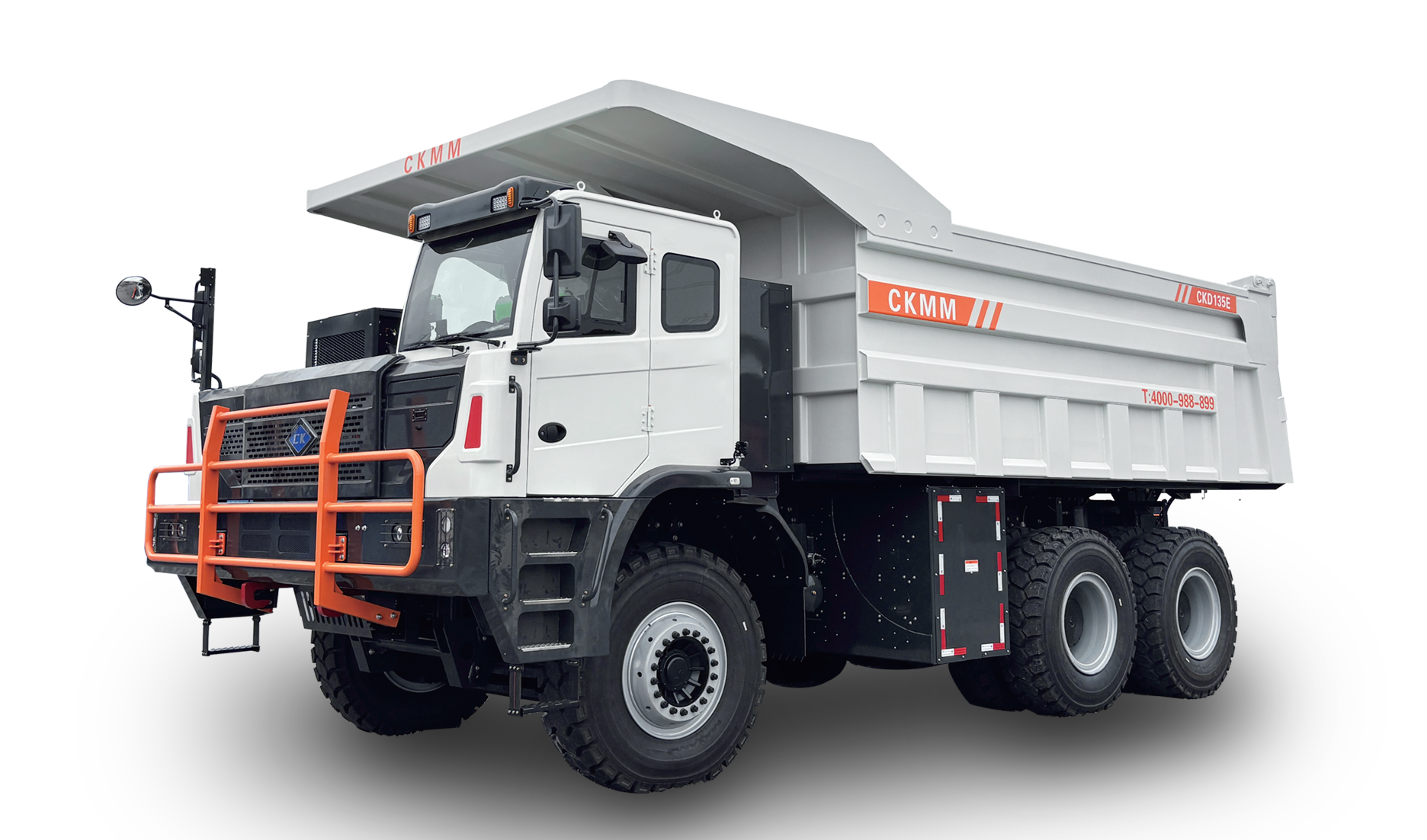
CKD135E Pure Electric Wide-body Dump Truck
Jiangsu Changkuang Engineering Machinery Co. Ltd.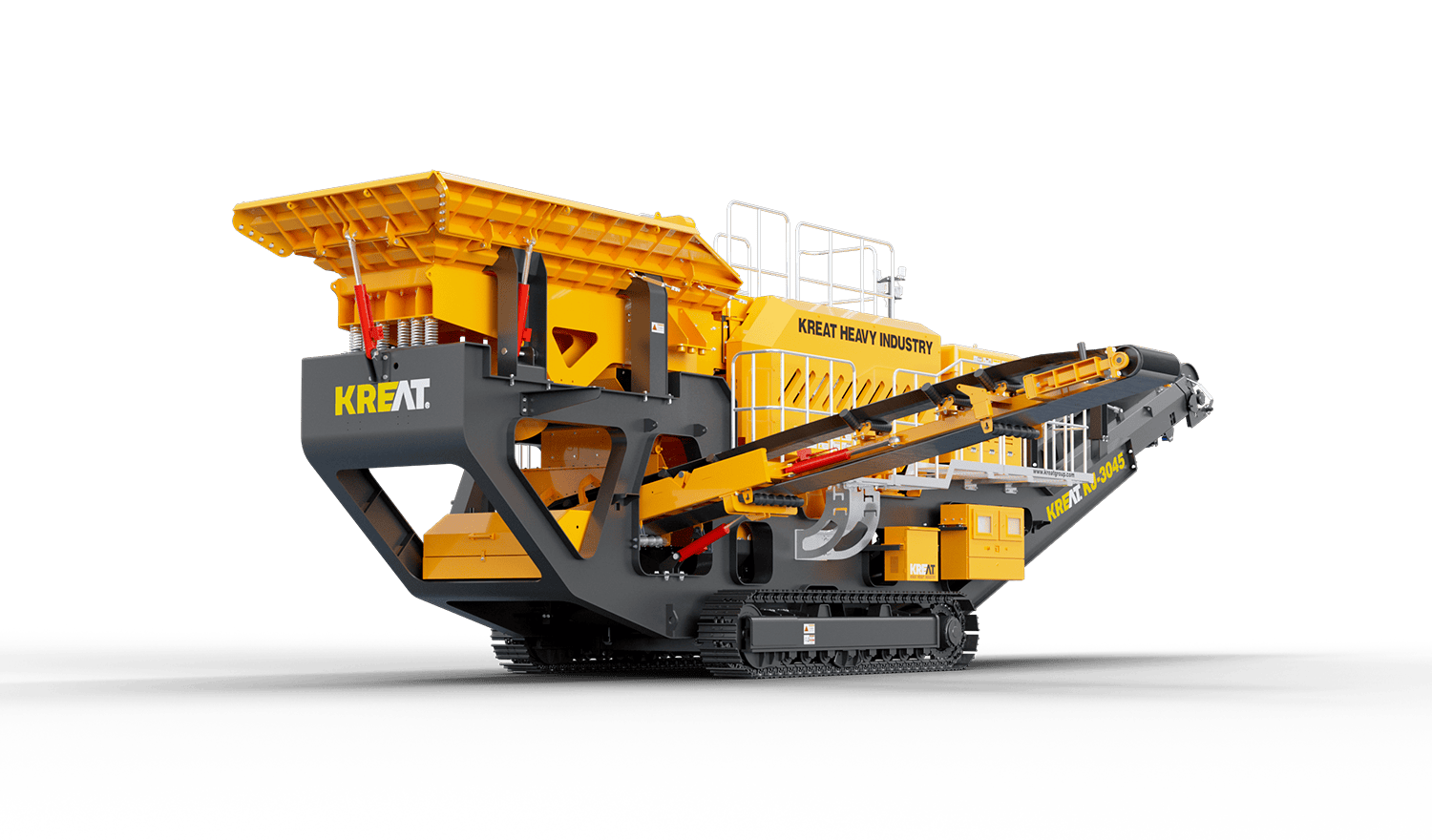
KJ-3045 Crawler Mobile Jaw Crushing Station
Yunnan Kairuite Construction Machinery Equipment Co., Ltd.

High-temperature Equal Wall Thickness High-power Screw Drilling Tool
Orient Energy & Technologies Co., Ltd.
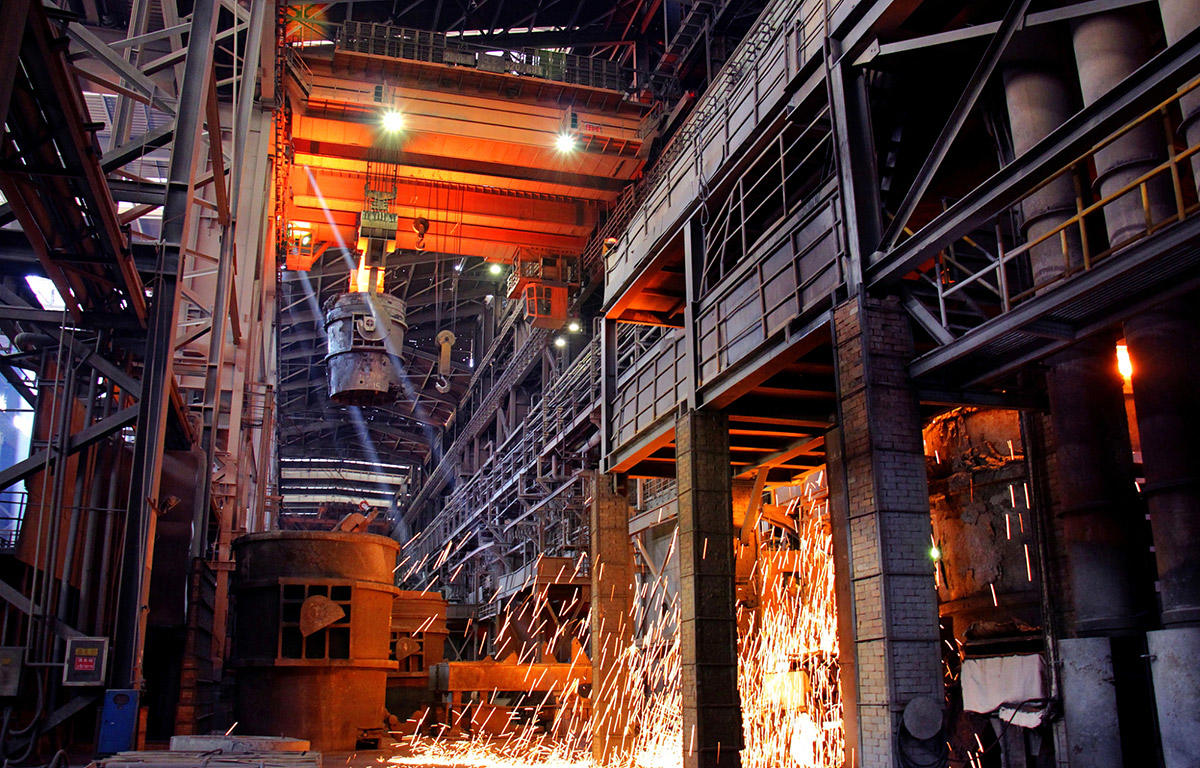
CITIC Heavy Industries Metallurgical Equipment Steel Smelting Engineering Equipment
CITIC Heavy Industries Co., Ltd.