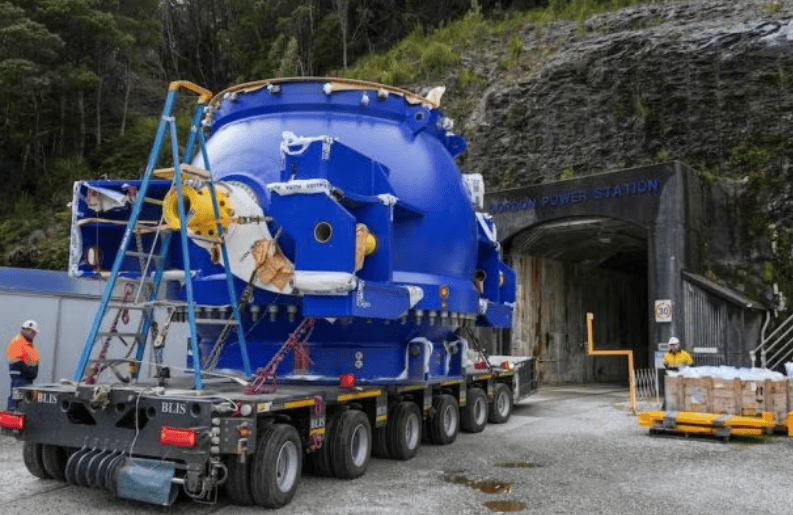
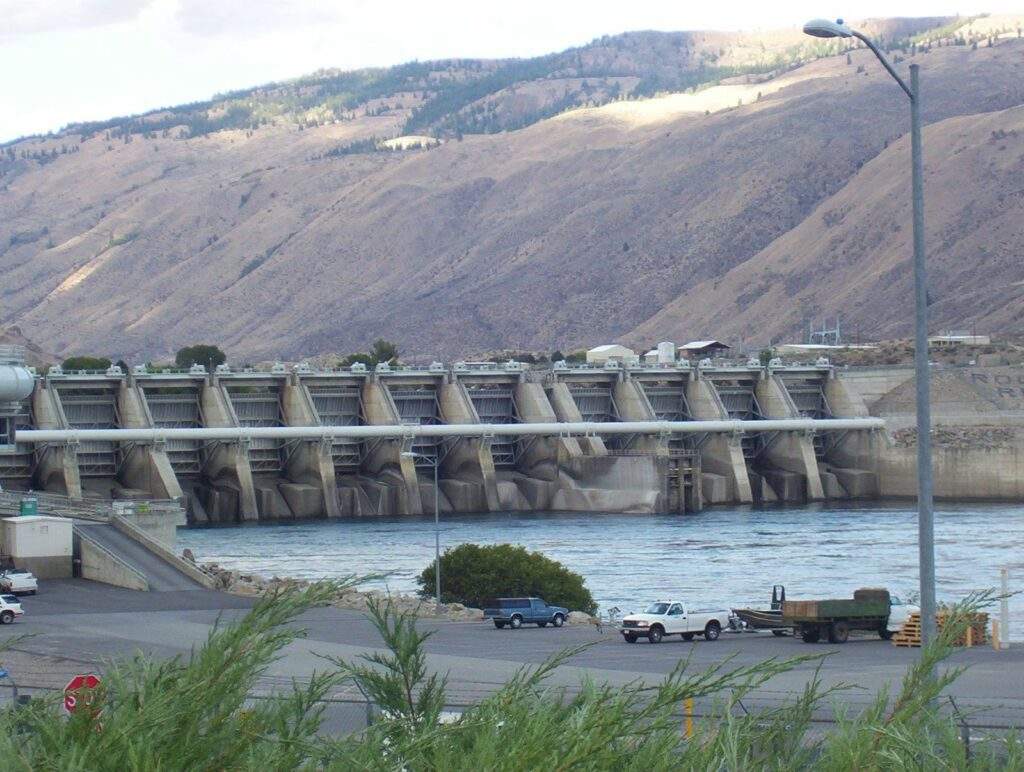
Pumped Storage Power Station Is Becoming a Stabilizer for New Power Systems
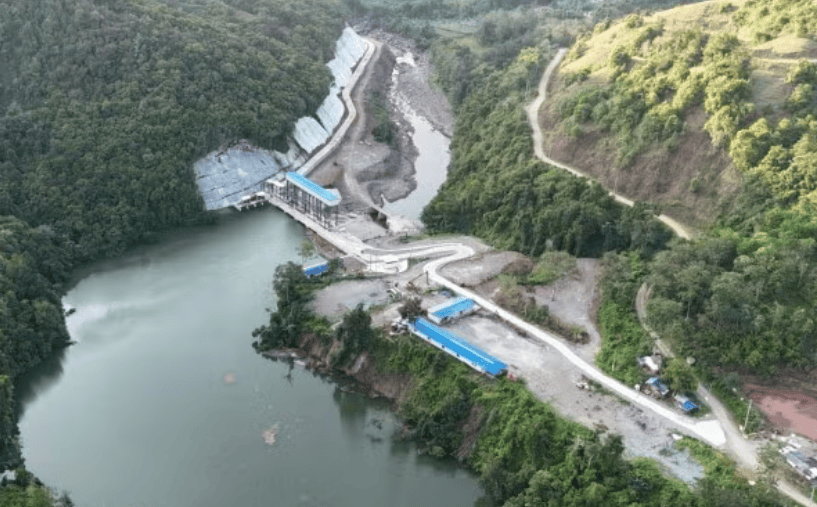
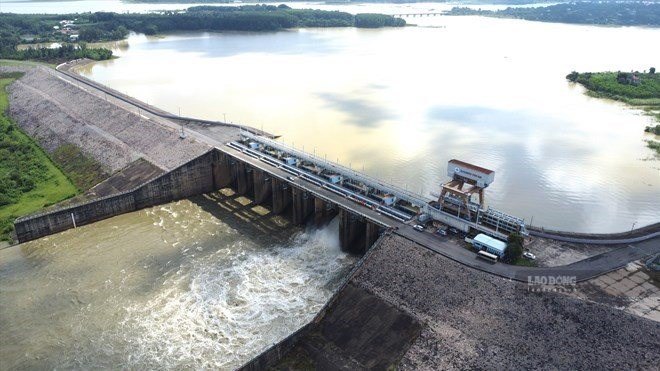
en.Wedoany.com Reported - As wind and solar capacity expand rapidly, power systems are moving from generation-following-load toward coordinated source-grid-load-storage operation. In this transition, Pumped Storage Power Station is no longer only a peaking facility in the hydropower system. It is becoming core infrastructure for secure and stable operation of new power systems.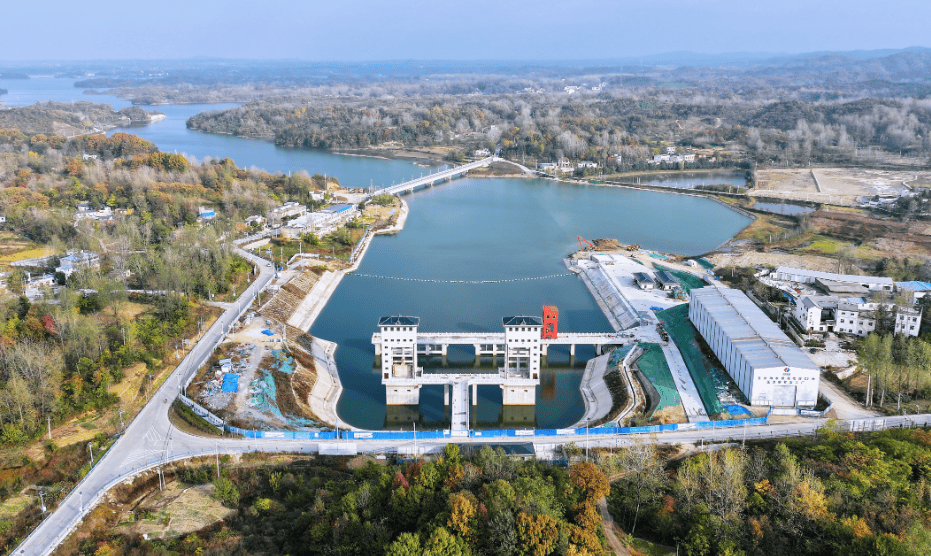
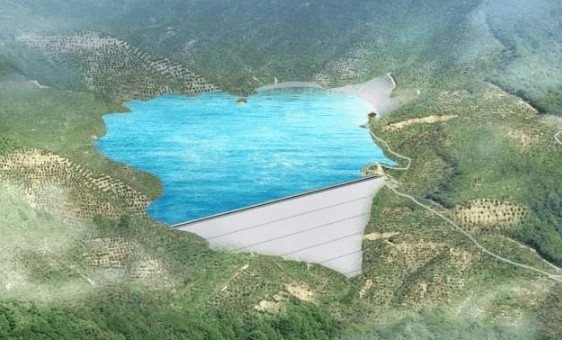
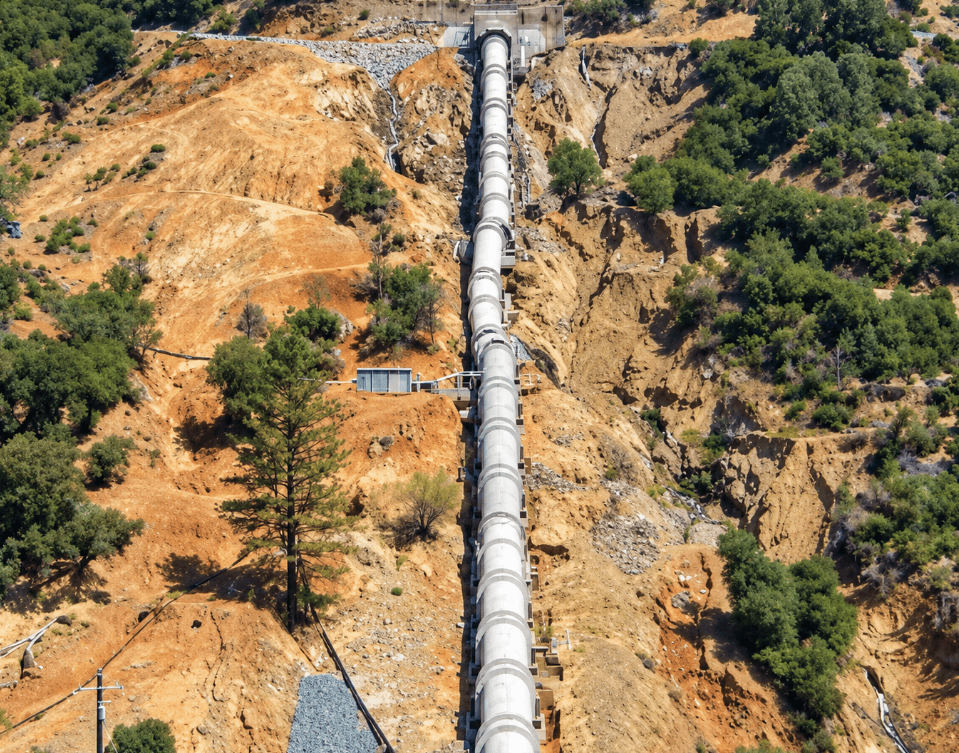
The operating principle is simple. During low-demand periods or when renewable output is high, electricity is used to pump water from a lower reservoir to an upper reservoir. During peak demand or low renewable output, water is released to generate power. The International Hydropower Association describes pumped storage hydropower as a clean energy storage form suited to grid reliability and stability, absorbing surplus electricity during low demand and releasing it during high demand.
Global momentum is rising. The International Hydropower Association’s 2025 World Hydropower Outlook reports that global hydropower capacity grew by 24.6 GW in 2024, including 8.4 GW of pumped storage, and global pumped storage capacity increased by 5% to 189 GW. This shows that even as batteries scale rapidly, large-scale, long-life and long-duration storage still depends heavily on pumped storage.
The value of pumped storage is not only storing electricity. It can provide peak shaving, frequency regulation, reserves, black start, reactive power support, system inertia and emergency response. The U.S. Department of Energy also states that pumped storage hydropower is the dominant form of grid energy storage today and plays an important role in bringing more renewable resources onto the grid.
Planning a Pumped Storage Power Station should not focus only on installed capacity. Its grid role must be defined first. Does it serve renewable energy bases, load-center peaking, daily regulation, multi-day reserve, local renewable integration or regional power balancing? Different roles determine plant size, head, regulating storage, unit start-stop capability and grid connection. Future competitiveness will depend not on larger single stations, but on whether projects fit real power system operation.
This article is compiled by Wedoany. All AI citations must indicate the source as "Wedoany". If there is any infringement or other issues, please notify us promptly, and we will modify or delete it accordingly. Email: news@wedoany.com
Related Products

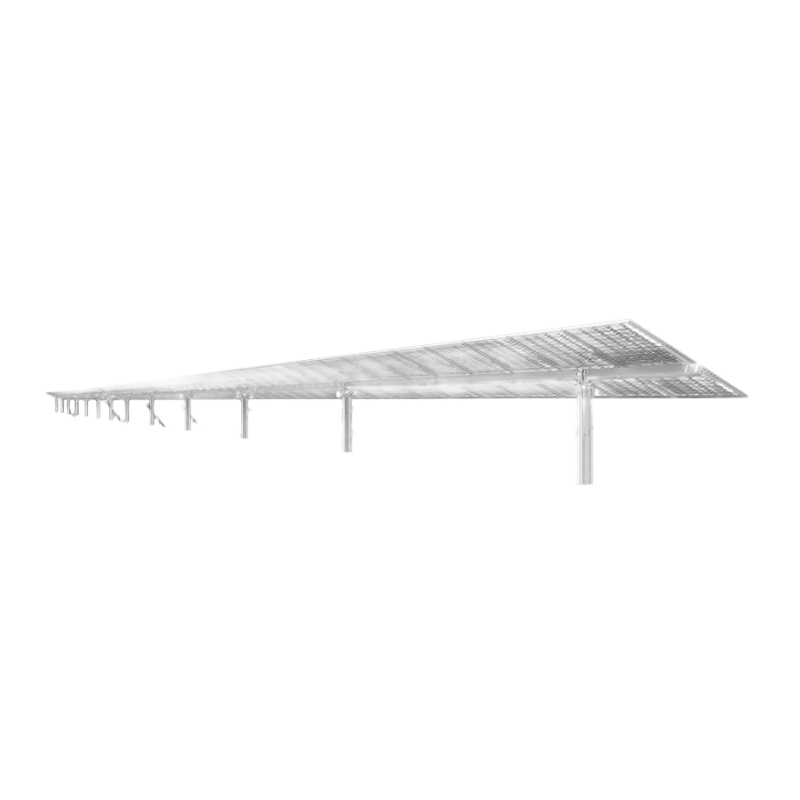
TAI Slew-drive Single-axis Independent 1P Tracking Bracket System
ANTAI TECHNOLOGY CO., LTD.

Hydraulic Turbine Genset
Dongfang Electric Corporation Dongfang Electric Machinery Co., Ltd.
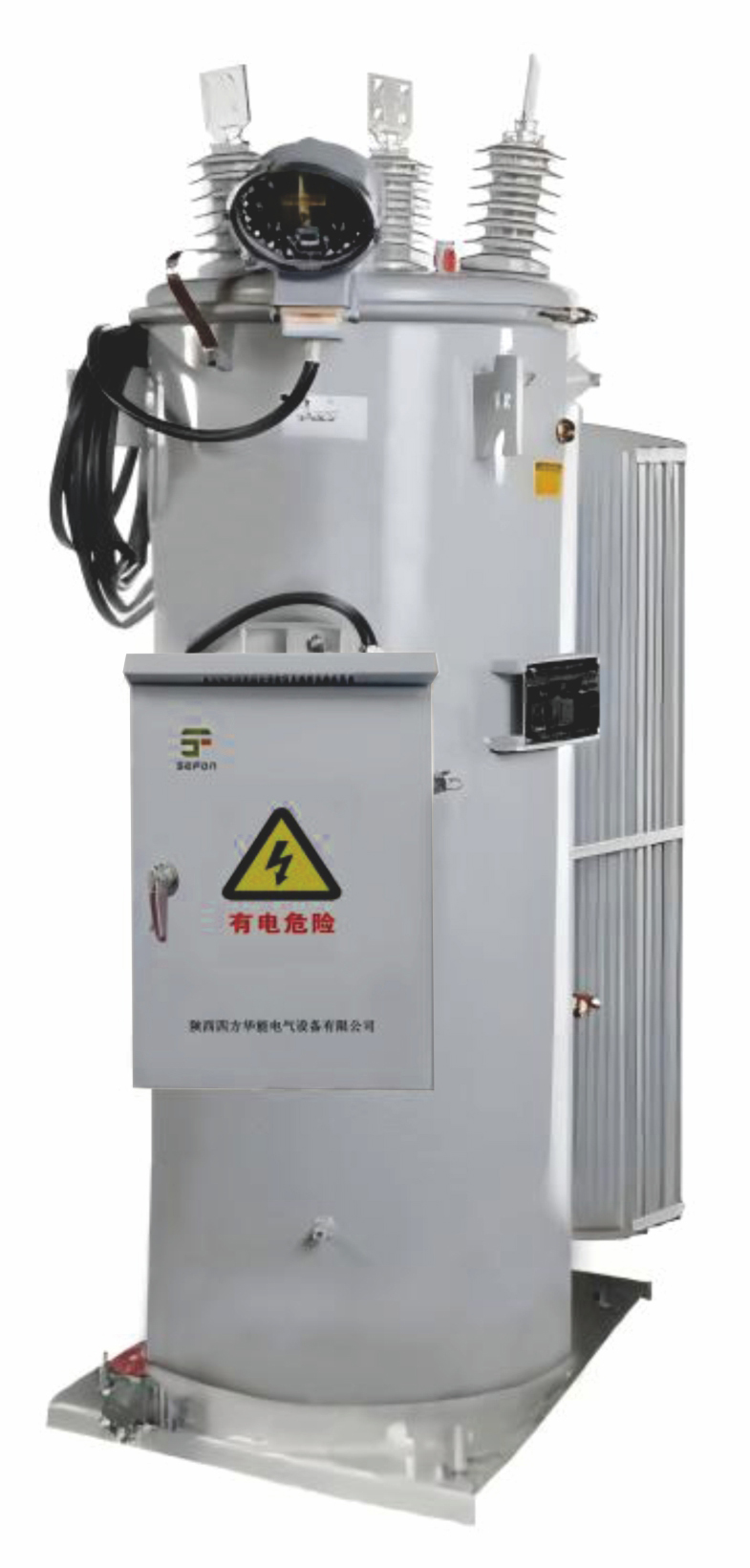
Single-Phase Automatic Voltage Regulator(AVR)
Shaanxi Sefon Electrical Equipment Co.,Ltd.
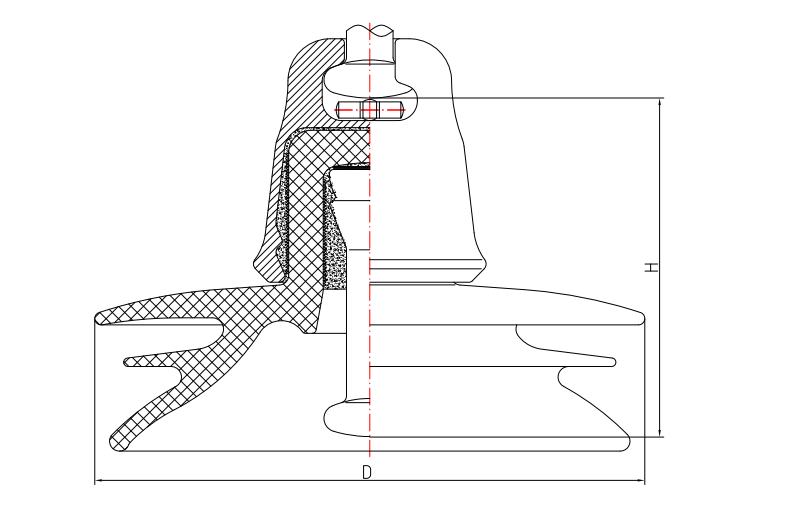
Post-type AC Pollution-resistant Disc Suspension Porcelain Insulator (Triple Umbrella Type)
Shandong High Voltage Insulator Co., Ltd.