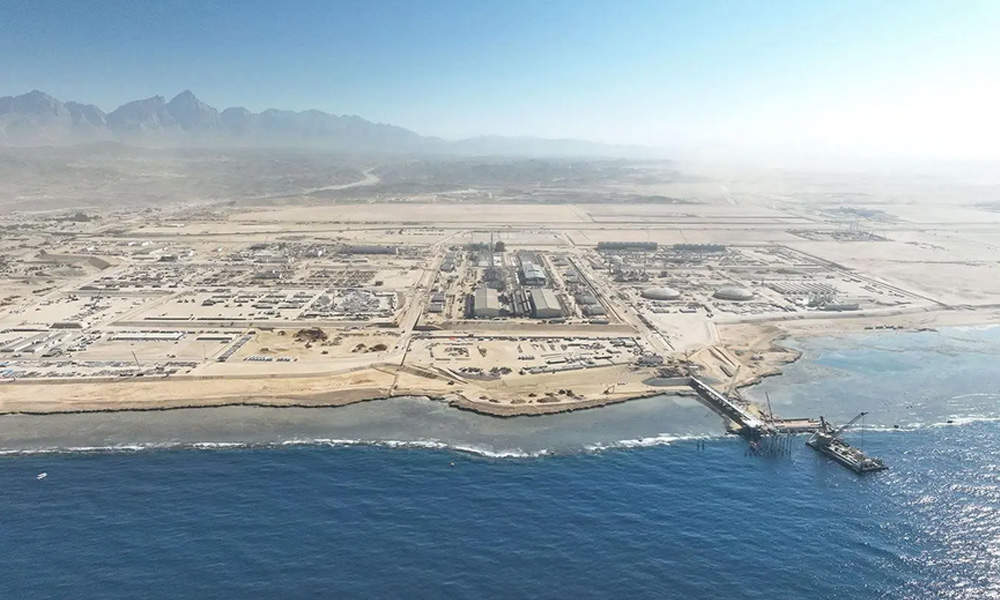
Natural hydrogen exploration heats up in North America, Australia; junior companies raise over $1 billion
en.Wedoany.com Reported - Natural hydrogen is emerging as a low-cost, low-carbon energy source on the global energy stage, with exploration activities accelerating in North America, Australia, and Europe.
Christophe Hecker, CEO of NaturalHy, said in an interview that the industry is gaining momentum, with junior mining companies having raised over $1 billion (A$1.4 billion), and that the early exploration phase offers the greatest value uplift for investors. Based in France, Hecker serves as a financial advisor for natural hydrogen—also known as geologic or white hydrogen—raising funds for junior exploration companies that are prospecting underground resources to extract this natural gas. He also acts as a spokesperson for Earth2, a European cluster project dedicated to promoting natural hydrogen as a low-carbon energy source.
Hecker noted that hydrogen has been recognized as one of the solutions for the energy transition, with the potential to replace natural gas and coal in hard-to-abate sectors such as steel, cement, glass, and shipping. However, the biggest challenge currently facing hydrogen is its high production cost. Green hydrogen produced via electrolysis costs €7-10 per kilogram ($11.51-$16.45) in Europe, far above the level needed to compete with fossil fuels. Natural hydrogen, with estimated production costs as low as €1 per kilogram or less, is therefore expected to play a key role.
Natural hydrogen is the same gas as other forms of hydrogen but does not require manufacturing—it is simply extracted from underground. It was previously thought to be limited in quantity, but recent studies suggest these resources may be far more abundant than expected. Unlike oil and gas, which are concentrated in specific regions, the source rocks for natural hydrogen—iron-rich formations—are widely distributed globally, though suitable geological traps are still needed to prevent the hydrogen from escaping. Current research indicates significant potential in North America, Australia, and parts of Europe, with the most active exploration and discoveries currently taking place in North America and Australia.
The primary applications for natural hydrogen are in hard-to-abate industries such as cement and glass, followed by heavy transport like shipping. Hecker noted that approximately 70-80 exploration projects have been identified globally, mostly concentrated in North America and Australia, with some in Europe. In Australia, Canada, and the United States, junior exploration companies go public early, and investors have a higher risk appetite. Over the past three years, around $1 billion has been raised in the natural hydrogen sector, with accelerated growth in the last 12 months. In the past four months alone, over $100 million has been raised. Among these, Koloma, funded by Bill Gates through his investment vehicle Breakthrough Energy, accounted for half of that amount.
Hecker believes the exploration phase is a period of value creation. After a company obtains a license or asset, exploration gradually increases value by reducing asset risk. Investors should focus on the early exploration stage, when capital input is minimal and value uplift is greatest, recommending entry when a company secures its license and holding at least until the drilling and testing phase. He emphasized that natural hydrogen can play a key role in the energy transition, providing a clean, cheap, and reliable energy source to replace coal and natural gas. Additionally, natural hydrogen can play a role in the geopolitical context, enabling more regions around the world to produce their own energy and reducing dependence on traditional oil and gas-producing areas such as the Middle East.
Related Products

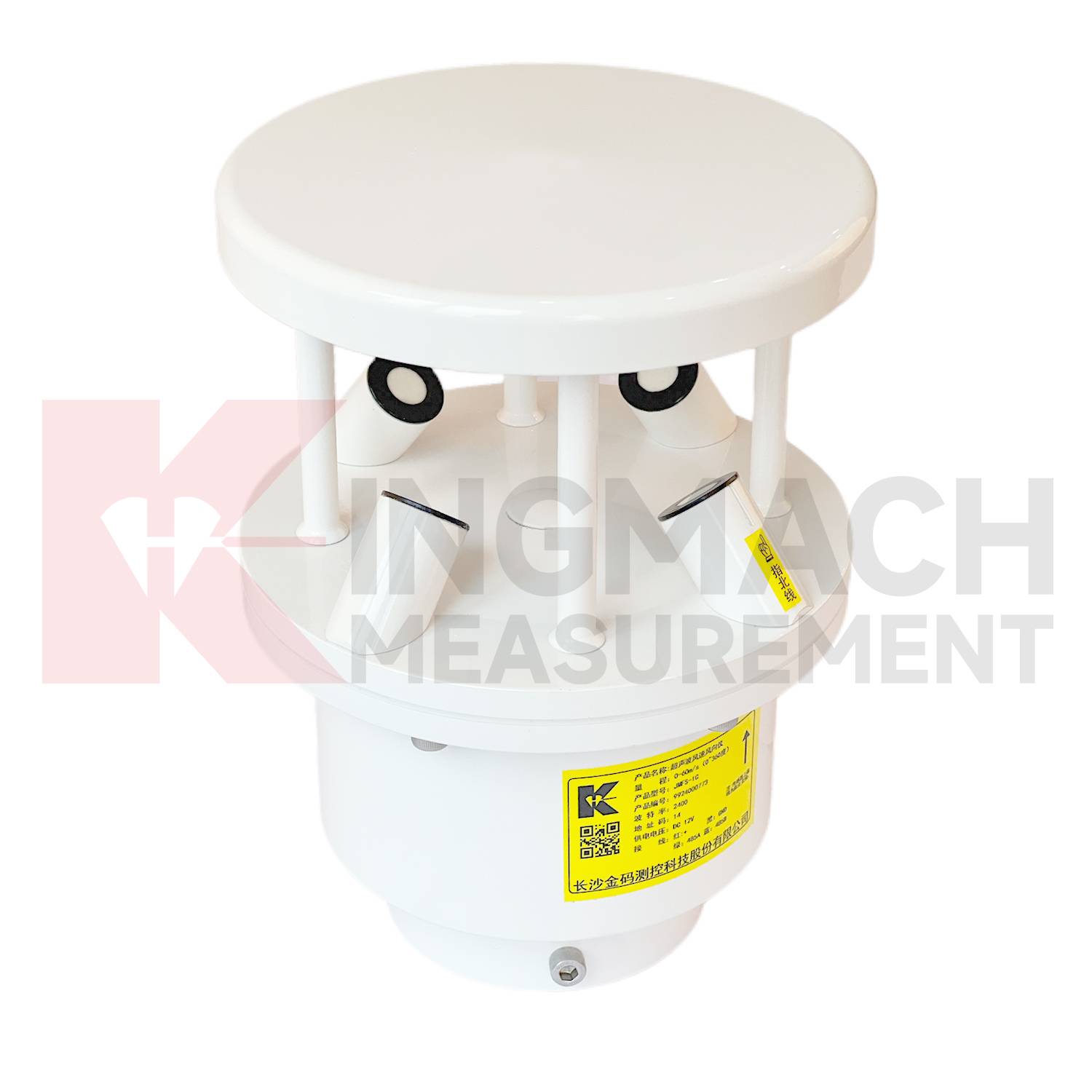
Ultrasonic Wind Speed and Direction Instrument
Kingmach Measurement & Monitoring Technology Co., Ltd.
Perfluorinated Ionic Membrane-CM-10N Series Membrane
Guizhou Juneng Century Technology Co., Ltd
High-voltage Direct Current (HVDC) Transmission System Research and Integrated Design
XI'AN XD POWER SYSTEMS CO., LTD.
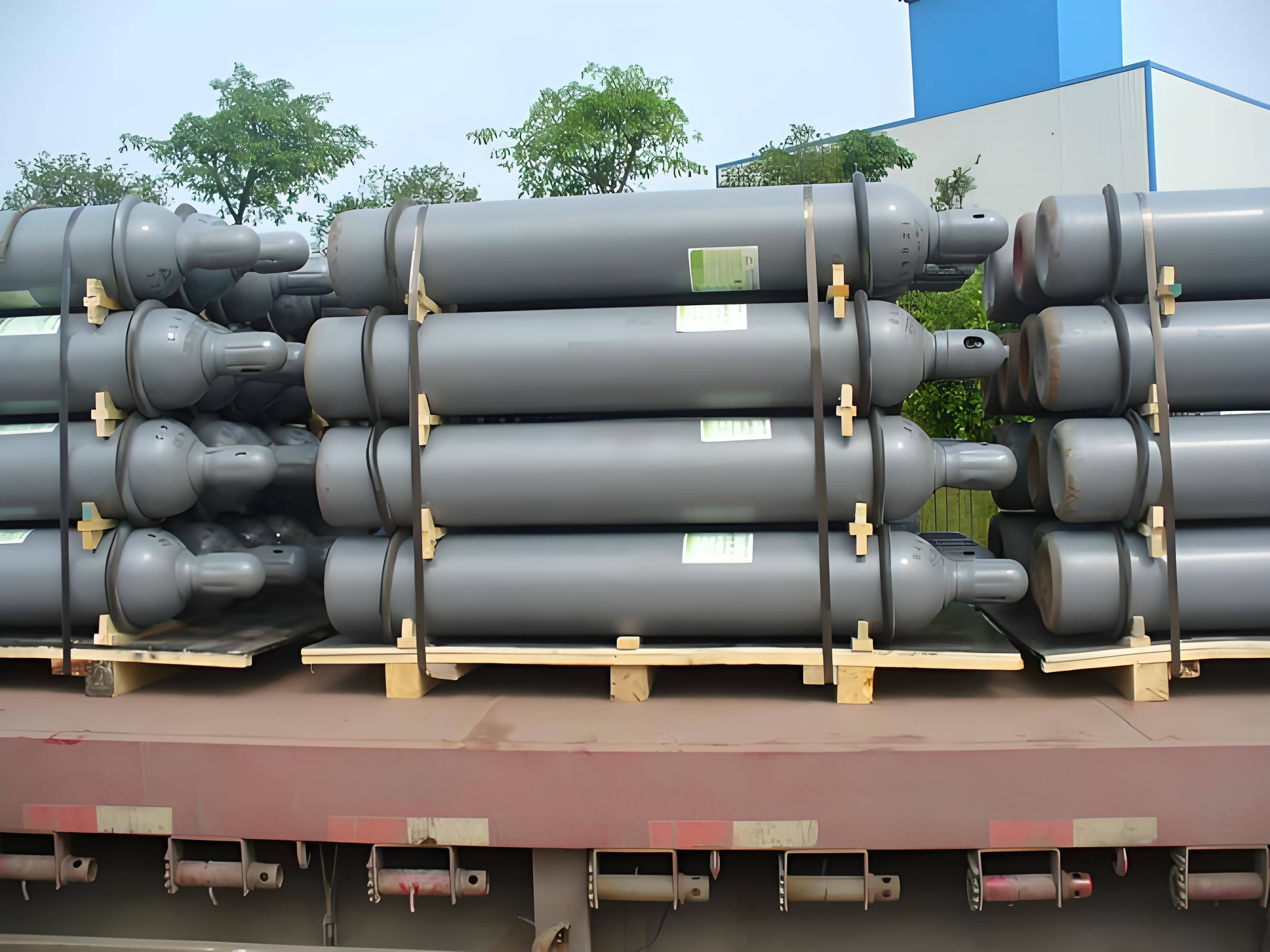
Global Sulfur Hexafluoride Gas Supply and Cylinder Export
Foshan Yuexin Industrial Gas Co., Ltd.
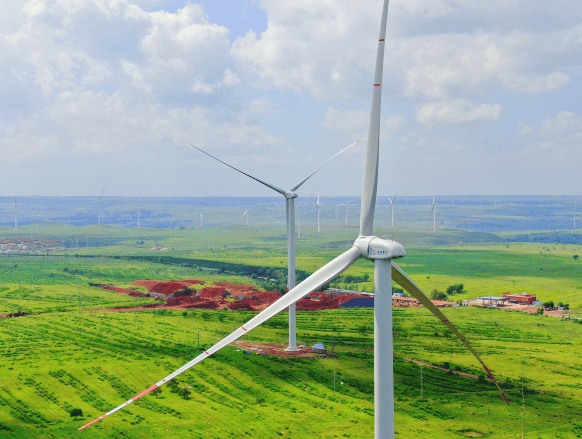
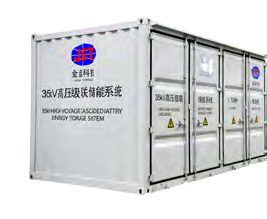
6kV-35kV Medium and High Voltage Direct-Connected Energy Storage System
Hainan Jinpan Smart Technology Co., Ltd.
CITIC Heavy Industries Offshore Wind Power Equipment Hydraulic Pile Hammer
CITIC Heavy Industries Co., Ltd.