EU FUELGAE Project Uses Microalgae to Convert CO₂ into Advanced Biofuels
en.Wedoany.com Reported - The FUELGAE project is transforming industrial carbon dioxide into advanced liquid biofuels through targeted cultivation of microalgae, aiming to provide high-energy-density alternative fuels for hard-to-electrify transport sectors such as aviation, maritime shipping, and heavy logistics.
Transport sectors like aviation, maritime shipping, and heavy logistics rely on high-density liquid fuels, making electrification progress slow. Meanwhile, carbon dioxide emissions from energy-intensive industries such as steel production and biorefining remain a significant component of Europe's carbon footprint.
Microalgae absorb carbon dioxide through photosynthesis more efficiently than terrestrial plants and can be rapidly cultivated in controlled systems. The project screens microalgae strains for specific industrial CO₂ sources, integrates pilot photobioreactors at industrial facilities, achieves efficient biomass conversion through hydrothermal liquefaction and biogas processes, and produces high-quality products meeting transport fuel standards via catalytic upgrading systems. A digital twin system is also deployed for real-time monitoring and optimization of the entire production process.
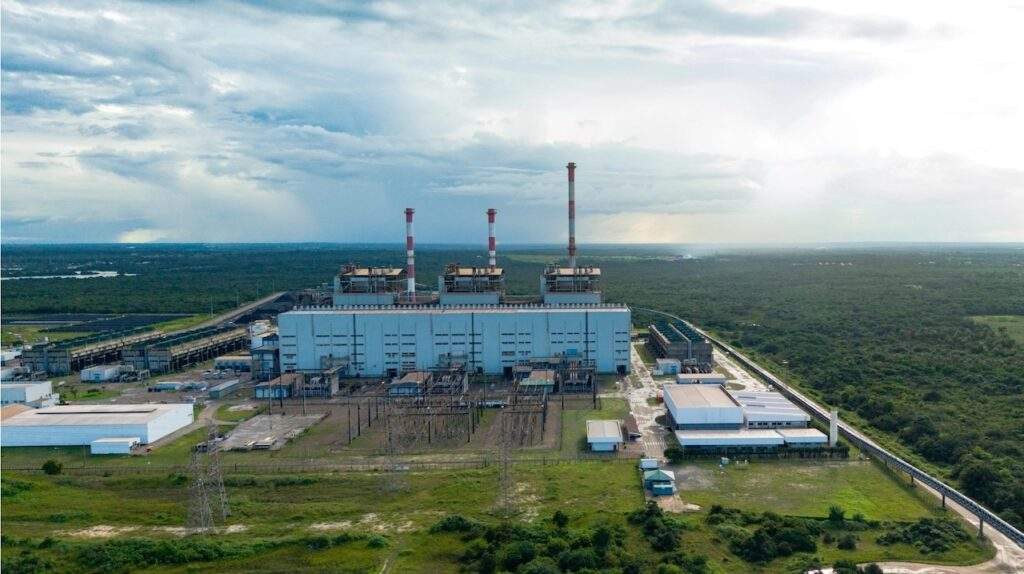
The project conducts real-world validation at a steel plant in Romania and a bioethanol refinery in Spain to demonstrate that microalgae-based fuel production can operate under industrial conditions.
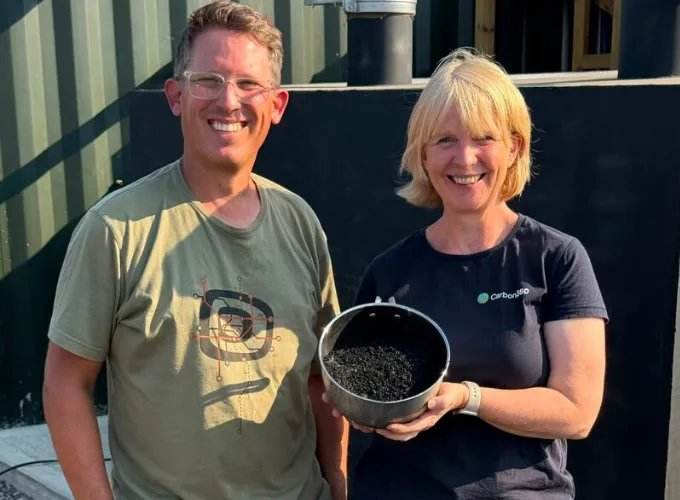
In addition to advanced liquid biofuels, the project explores the production of biochar, biogas, other energy carriers, and valuable biochemical components derived from microalgae as co-products, integrating life cycle assessment and life cycle cost analysis to verify overall environmental and economic sustainability.
The FUELGAE project aligns with multiple policy priorities, including the European Green Deal, the Sustainable and Smart Mobility Strategy (incorporating the RefuelEU Aviation and FuelEU Maritime regulations), and the Circular Economy Action Plan, offering scalable solutions for sectors that cannot be fully decarbonized through electrification alone.