Spain's ITE Completes Hedera Project, Advances Electrode and Green Hydrogen Optimization
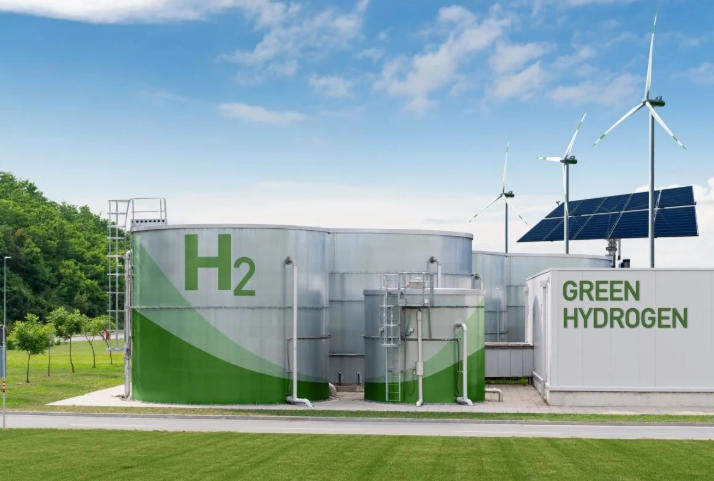
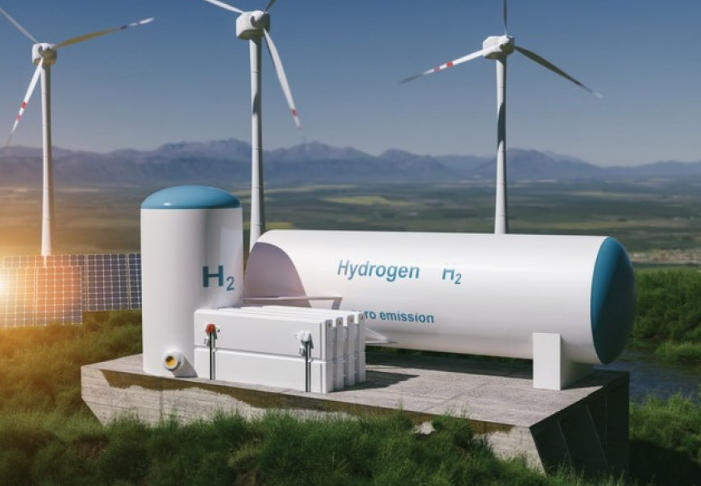
en.Wedoany.com Reported - The Spanish Energy Technology Institute (ITE) has completed the Hedera project, aiming to improve green hydrogen production by developing new proton exchange membrane (PEM) electrolyzer electrodes, predictive models, and digital optimization tools. These achievements help extend equipment lifespan, adapt to variable renewable energy co-operation, and enhance the cost competitiveness of renewable hydrogen.
The initiative concluded on July 2, 2026, in Valencia, funded by IVACE+i and the European Union through the Valencia Region FEDER Operational Program (2021-2027). The project focused on a technical pain point affecting green hydrogen competitiveness: the accelerated degradation of electrolyzers when coupled with renewable energy sources such as solar photovoltaic and wind power. The variability of these sources forces equipment to operate under fluctuating current intensities, potentially accelerating component aging and increasing operational costs. The Hedera project aims to enable flexible hydrogen production using solar and wind energy while avoiding premature impacts on electrolyzer lifespan.
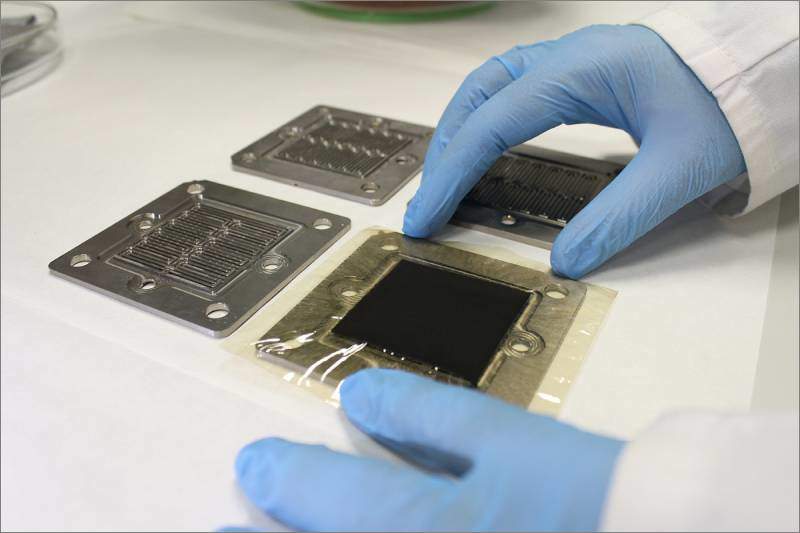
In terms of materials, the project developed and validated electrodes for PEM electrolysis, involving catalytic ink formulation and spray deposition techniques to produce uniform, reproducible materials—two conditions essential for industrial scalability. The resulting electrodes were characterized physicochemically and electrochemically under representative operating conditions to evaluate their performance and compare them with market reference solutions. The project also identified the main degradation mechanisms affecting PEM electrodes under different operating scenarios, particularly focusing on profiles related to integration with photovoltaic and wind power surpluses, analyzing the impact of current intensity and load variations on component aging.
Based on experimental data, the ITE team developed and validated a predictive model for PEM electrode degradation to estimate system behavior under representative conditions and forecast the impact of different strategies on electrolyzer lifespan and hydrogen costs. Hedera also integrated multi-criteria optimization algorithms for hydrogen production systems, incorporating variables such as renewable energy availability, demand, storage, and electrolyzer degradation to support design and management decisions for electrolysis plants. Additionally, the project created a digital model of an electrolysis plant for scenario simulation and energy management strategy validation, allowing virtual evaluation of operational configurations and coupling strategies with renewable energy before application in actual facilities. These tools convert electrochemical and operational data into practical standards for designing and managing plants capable of co-operating with solar and wind energy.
Related Products
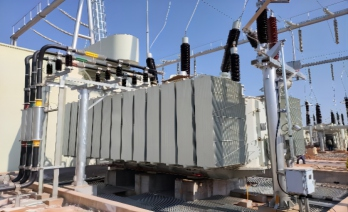

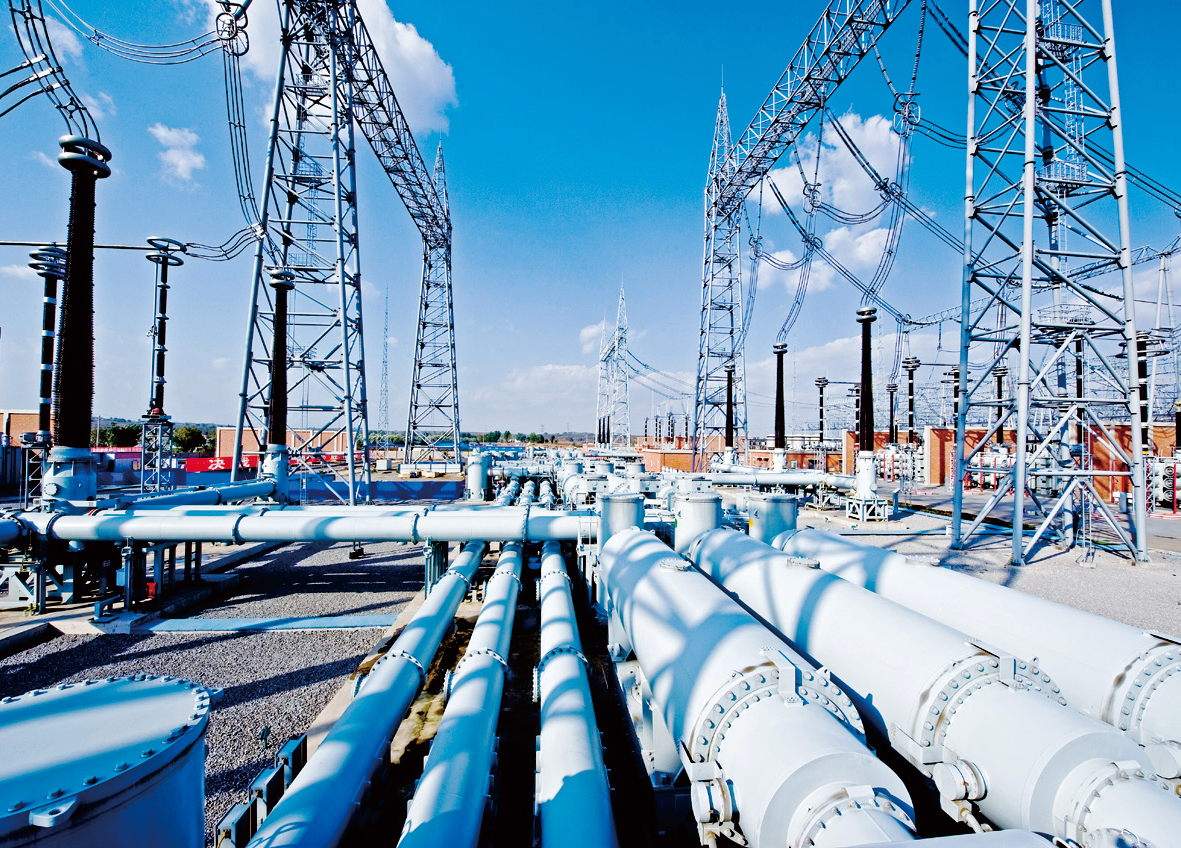
40.5kV-1100kV Gas Insulated Metal-Enclosed Switchgear (GIS)
Henan Pinggao Electric Co., Ltd.
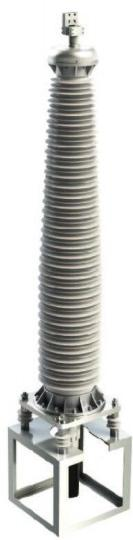
220kV Composite Outdoor Cable Terminal
Shenyang Guolian Cable Accessories Manufacture Co., Ltd.

Prefabricated Houses and Electrical Energy Boxes
Chengdu Ruilong Machinery Manufacturing Co., Ltd.
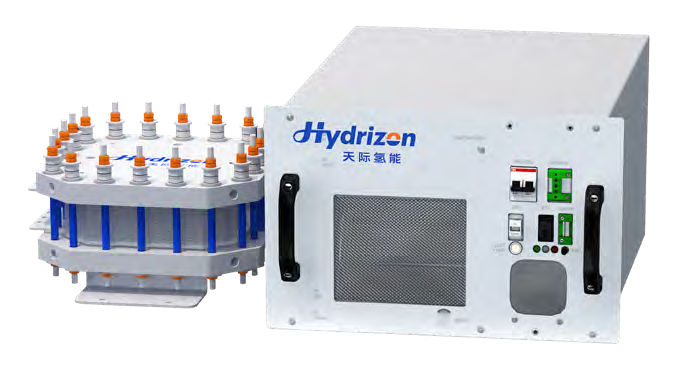
HI-Pro Green Hydrogen High-efficiency Production System-HI-PRO-AEM
Hydrizon Technology (Beijing) Co., Ltd.