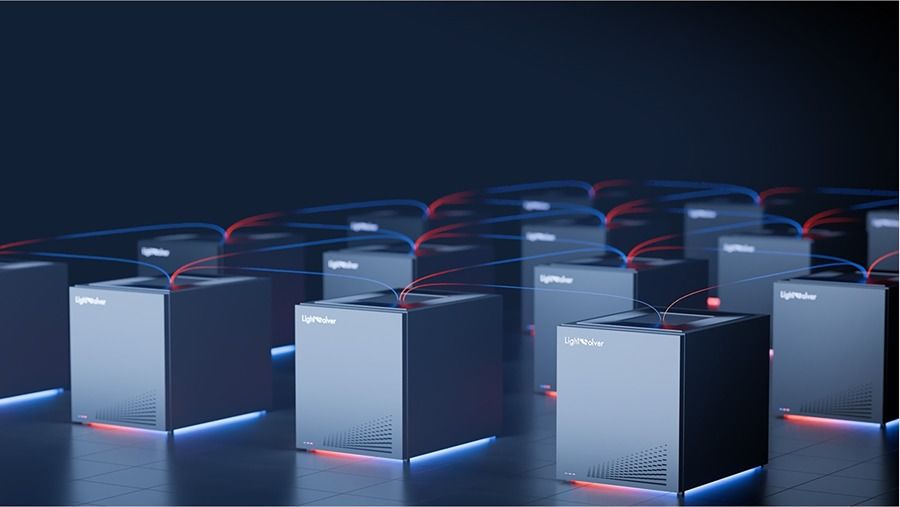
1TB SSDs Surge to 1,000 Yuan as Memory Chip Price Hikes Reach Consumers
en.Wedoany.com Reported - On July 6, the impact of memory chip price increases continued to spread to consumer terminals, with prices of some SSDs and memory modules rising significantly. At the terminal channels of Hangzhou Brain Computer City, the price of a 1TB SSD has risen from around 500 yuan to approximately 1,000 yuan, with some products nearly doubling in price; the Sony PS5-specific 8TB SSD is priced at nearly 20,000 yuan, close to the cost of three PS5 Pro consoles.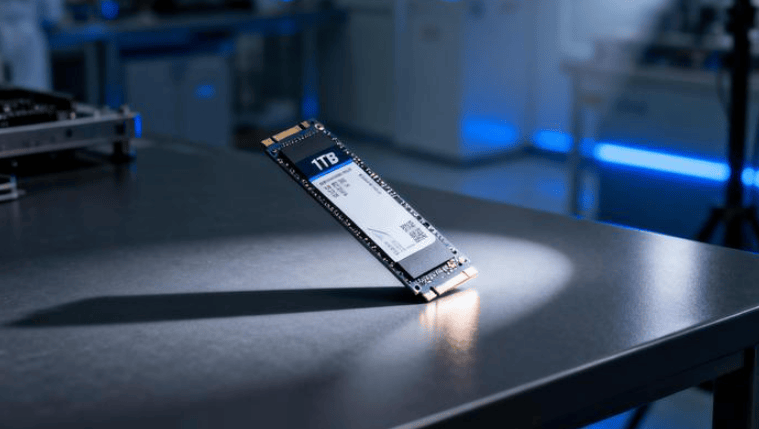
This round of price increases most directly affects ordinary PC builders, gamers, students, and laptop users needing upgrades. A 1TB SSD that could be bought for around 500 yuan in the past now falls into the 1,000 yuan range for the same capacity, raising costs for full system assembly, laptop upgrades, game console expansion, and mobile storage configurations. With memory module prices also rising, the previously low-cost solution of boosting PC performance by "adding memory and swapping SSDs" is no longer cheap. Facing rapidly changing wholesale prices, retail stores are reluctant to stock up heavily, and channel quotes are more prone to adjustments based on upstream price fluctuations.
Behind the consumer price hikes lies a shift in the supply-demand structure of NAND flash memory. Growing demand from AI servers, data centers, high-performance computing, and enterprise storage has led manufacturers to allocate more capacity to high-value enterprise products, squeezing supply for consumer-grade SSDs, mobile storage, and standard memory modules. AI computing infrastructure consumes not only GPUs but also large amounts of high-bandwidth memory, enterprise SSDs, server memory, and high-speed storage systems to support model training, inference, data caching, and cluster scheduling. As upstream capacity is redistributed, the consumer electronics market begins to feel price pressure.
South Korean electronics giant Samsung Electronics has already seen price hike feedback in its storage product channels, while price increases for flash memory products from U.S. storage brand SanDisk are also seen as a key signal in this cycle. In September 2025, SanDisk first announced price increases of over 10% for flash memory products sold to channels and consumer customers, further spreading price hike expectations across the storage industry. Memory chips are part of a strongly cyclical industry; during downturns, manufacturers cut capital expenditures and capacity releases, and when demand recovers, price rebounds typically start in the enterprise market before gradually passing through to consumer SSDs, memory modules, mobile storage, and console expansion products.
The price of a 1TB SSD rising from 500 yuan to around 1,000 yuan is the most noticeable point for users in this transmission chain. PC manufacturers may buffer cost pressures by reducing standard capacities, delaying configuration upgrades, or raising prices for higher-end models, while the retail market will more directly reflect shelf prices. If some mid-range laptops downgrade from a 1TB standard to 512GB, users' future upgrade costs will increase; high-capacity versions of smartphones may also widen the price gap with base models due to rising flash memory costs.
Channel distributors' reluctance to stock up heavily indicates that price volatility has already disrupted normal procurement rhythms. Storage products are typically transparent in pricing and fast-moving, with stores and dealers relying on stable wholesale prices to maintain margins. Once upstream quotes change frequently, both the risk of overstocking and shortages rise simultaneously. During a price hike phase, early stockpiling may yield price differentials but also risks losses if prices fall; failing to stock up may leave distributors unable to meet immediate customer demand. The consumer storage market has thus entered a more cautious purchasing state.
This price surge will alter some consumers' buying decisions. Consumers who planned to assemble large-capacity SSDs may opt for smaller capacities or delay purchases; game console users will reassess expansion costs; PC buyers will pay more attention to factory-standard capacities; and smartphone consumers choosing between 512GB and 1TB versions will more clearly feel the price differences driven by storage specifications. Memory chip price increases no longer remain confined to upstream supply chain quotes but have become a real cost that ordinary consumers must face when building, upgrading, or expanding their devices.
This round of storage product price increases has already transmitted from manufacturers and channels to retail terminals, with the 1TB SSD hitting the 1,000 yuan mark serving as the most direct price signal for consumers. As AI servers and data centers continue to consume high-end storage capacity, prices for consumer SSDs, memory modules, and high-capacity terminal devices are expected to remain volatile at elevated levels in the short term, forcing PC builders and upgraders to recalculate capacity, budgets, and purchase timing.
Related Products


GYTA Type Non-Self-Supporting Aerial/Duct Optical Cable
TONGDING INTERCONNECTION INFORMATION CO., LTD.

Automatic Aiming Laser Remote Obstacle Removal Robot
Pinggao Group Weihai High-Voltage Apparatus Co., Ltd.

Comprehensive Mining Automation Control System
Beijing Tianma Intelligent Control Technology Co., Ltd.
Conveyor Belt Intelligent Monitoring System
LUO YANG WIRE ROPE INSPECTION TECHNOLOGY CO., LTD.
TWP16 P-Band Tropospheric Wind Profile Radar
China Huayun Meteorological Technology Group Co., Ltd.

MUX Series Communication Interface Device for Security and Stability Control System
Nanjing NR Electric Co., Ltd.