China's AI Phone and AI PC Sales Expected to Surpass Non-AI Products for the First Time This Year
en.Wedoany.com Reported - On July 7, Wang Ruomeng, Deputy Director of the Innovation and High-Tech Development Department of China's National Development and Reform Commission, stated that in 2025, the annual shipment of intelligent terminals such as AI phones and AI PCs in China exceeded 100 million units, and is expected to continue growing significantly in 2026, with sales of AI phones and AI PCs projected to surpass non-AI products for the first time. Currently, China's AI native office agents have a monthly visit count exceeding 20 million, with daily token calls reaching hundreds of trillions, a notable increase from last year.
The fact that AI phone and AI PC sales surpass non-AI products indicates that AI terminals are moving from early high-end configurations to the mainstream consumer market. In the past, AI features were mostly limited to voice assistants, photo optimization, system recommendations, and cloud-based calls, with users having a weak perception of "AI terminals." As on-device large models, AI office assistants, intelligent search, voice interaction, image generation, meeting summaries, document processing, and cross-application task execution enter phone and PC systems, AI is becoming a core selling point for terminal products and is reshaping how manufacturers define hardware performance.
With intelligent terminal shipments exceeding 100 million units, AI hardware has established a substantial user base. Phones and PCs are among the most important gateways for AI applications: the former covers mobile office work, social networking, content creation, and lifestyle services, while the latter handles tasks such as document processing, design, programming, data analysis, and enterprise office work. As AI capabilities are integrated into these devices, users can invoke intelligent functions at the system level, application level, and office workflow without needing to open a separate AI tool. For terminal manufacturers to ensure stable AI operation, they must simultaneously upgrade components such as chips, operating systems, memory, storage, computing power scheduling, and model compression.
The growth in usage of AI native office agents is another significant signal. With monthly visits exceeding 20 million and daily token calls reaching hundreds of trillions, AI office tools have moved from trial by a few users to a more frequent phase of production tool adoption. Office agents are not just for answering questions; they can also participate in document generation, spreadsheet analysis, meeting summaries, email drafting, process reminders, knowledge retrieval, and cross-system task handling. Behind the increase in call volume is the fact that enterprises and individual users are delegating more daily tasks to AI, which in turn drives higher demands on terminal devices for local inference, cloud collaboration, and data security.
This will also influence product design for phone and PC manufacturers. AI phones require stronger on-device computing power, larger memory, more efficient energy control, and more secure data processing capabilities; AI PCs need to balance local large model operation, professional software collaboration, enterprise security policies, and multitasking efficiency. In the coming period, chip makers, operating system vendors, device brands, and office software companies will all restructure product configurations around AI capabilities. When ordinary consumers choose phones and PCs, they will pay more attention to whether the device can smoothly run AI features, rather than just screen, imaging, battery life, and processor specifications.
"AI+" is pushing AI from a standalone software service into terminal products and daily workflows. The expected first-time surpassing of non-AI products by AI phone and AI PC sales indicates that AI terminals are approaching the mainstream inflection point in consumer electronics; the growth in office agent visits and token calls shows that AI applications are becoming high-frequency tools. In the second half of 2026, new AI terminal products, system-level agents, office software integration, and on-device-cloud collaboration capabilities will continue to determine the actual user experience of AI phones and AI PCs.
Related Products
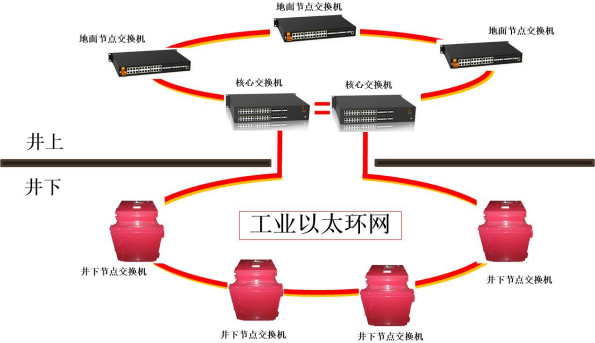

Mine Explosion-proof and Intrinsically Safe Industrial Ethernet Ring Network (10 Gigabit/Gigabit)
Chongqing Mas Sci&Tech Co., Ltd.
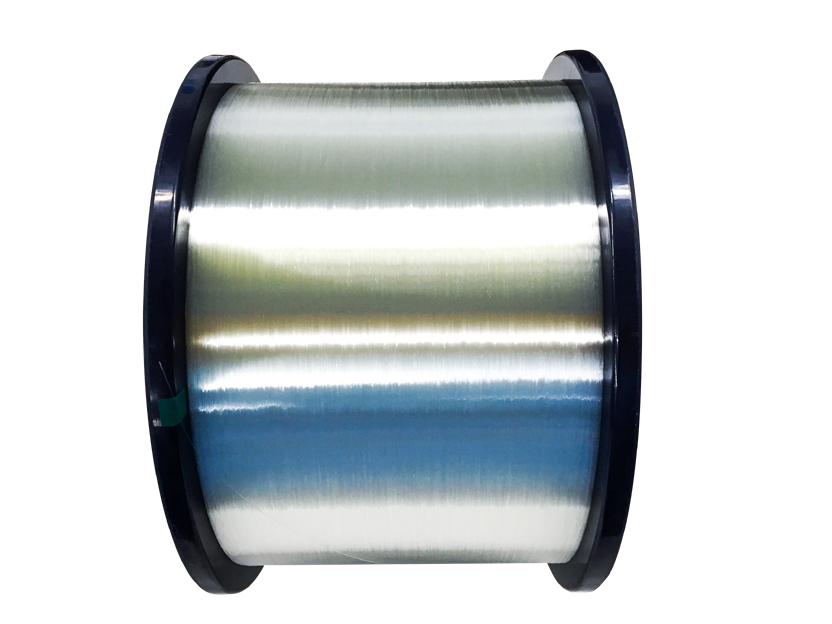
G.652.D Wavelength-extended Non-dispersion Shifted Single-mode Optical Fiber
HONGAN GROUP CO., LTD.


Industrial and Commercial Point-Type Gas Detector
Jinan Benan Technology Development Co., Ltd.
Comprehensive Mining Automation Control System
Beijing Tianma Intelligent Control Technology Co., Ltd.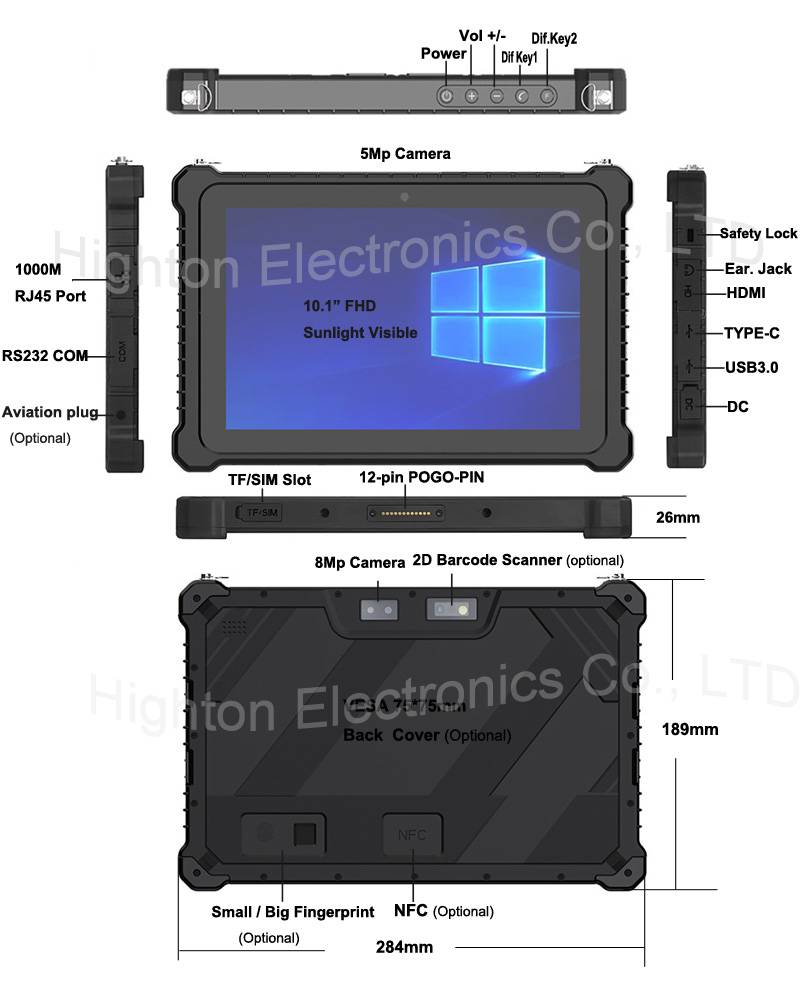
Hot Selling 10 Inch Intel N5100 I5 I7 FHD 8 +128GB 16+256GB Win10 Pro Win11 Pro 4G 5G Rugged Tablet PC Pad with NFC Barcode
Highton Electronics Co., Ltd.

GYTA Type Non-Self-Supporting Aerial/Duct Optical Cable
TONGDING INTERCONNECTION INFORMATION CO., LTD.