Canada's Wafr Secures $100 Million for AI Data Center Cooling Technology
en.Wedoany.com Reported - Vancouver-based startup Wafr Technologies has raised $100 million from private investors to develop cooling technology for AI data centers. The company is seeking an additional $200 million from public and private sources to convert its thermal battery concept into commercial infrastructure deals, with overseas partners already expressing interest.
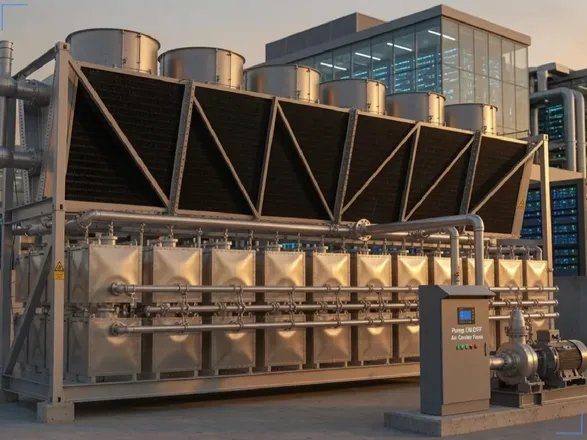
The Canadian company is developing what it calls a thermal battery, a concept that stores cooling capacity when grid electricity is cheaper and releases it when demand and electricity prices rise. For AI data center operators, cooling is becoming one of the more challenging infrastructure constraints, alongside power availability, GPU supply, land, grid interconnection, and water usage permits.
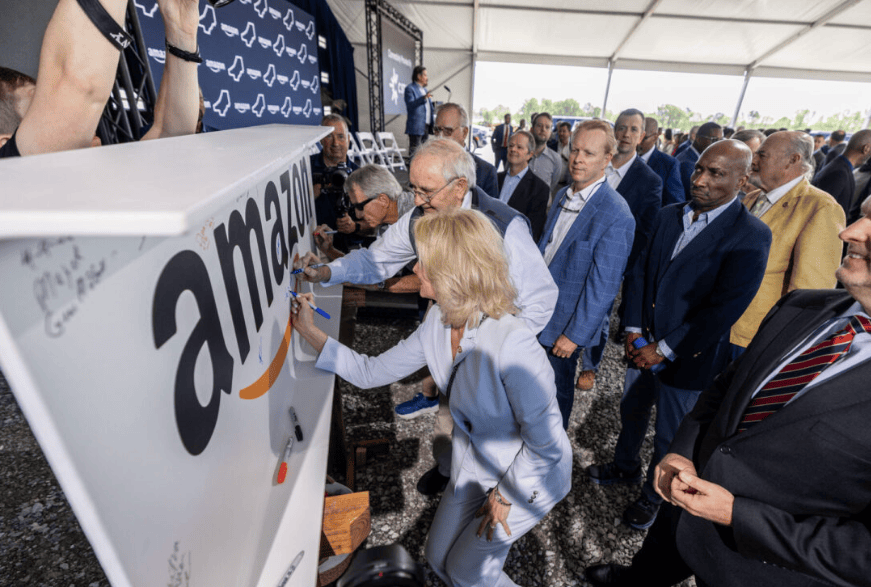
Large-scale AI data centers are no longer just server facilities but industrial plants built around computing density. According to provided materials, a 100MW AI data center in the United States uses approximately 2 million liters of water per day. Hyperscale operators such as Amazon, Google, and Microsoft already run facilities of 100MW and above. Wafr's technology targets this pain point, and if commercially viable, could help operators reduce peak power exposure and water dependency. Data center cooling systems must operate continuously, integrate into mechanical designs, meet uptime requirements, and pass procurement reviews.
Co-founder Darrell Kopke stated that Wafr aims to raise an additional $200 million from government funding and private investors, highlighting its capital-intensive path: pilots, engineering teams, customer validation, and potentially project-level deployments. The company has begun commercialization efforts and signed letters of intent with foreign partners interested in AI data center projects. This is a useful signal, but the company has not yet generated revenue. As electricity prices, water access, and grid constraints reshape AI facility planning, this offers operators another cooling technology to evaluate. If thermal energy storage maintains stable performance under production loads, shifting cooling demand away from peak power periods could reduce operating costs and grid pressure. Operators require uptime proof, integration data, climate-specific performance results, and measurable savings before deploying in critical environments. Public funding becomes relevant when infrastructure benefits extend beyond a single customer.
Related Products

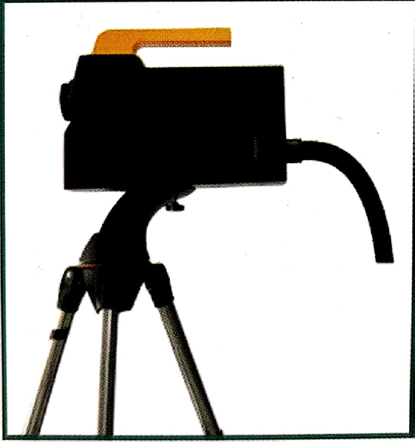
Automatic Aiming Laser Remote Obstacle Removal Robot
Pinggao Group Weihai High-Voltage Apparatus Co., Ltd.
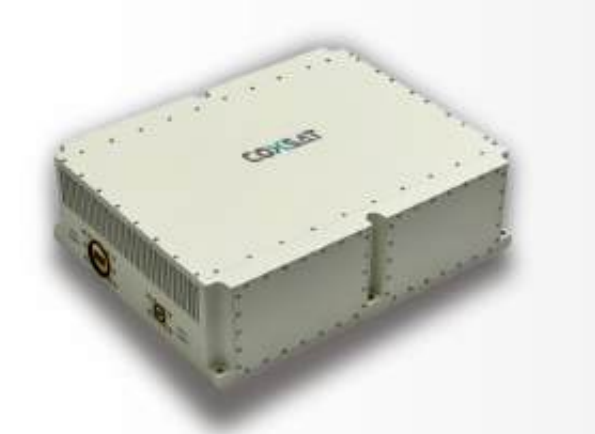
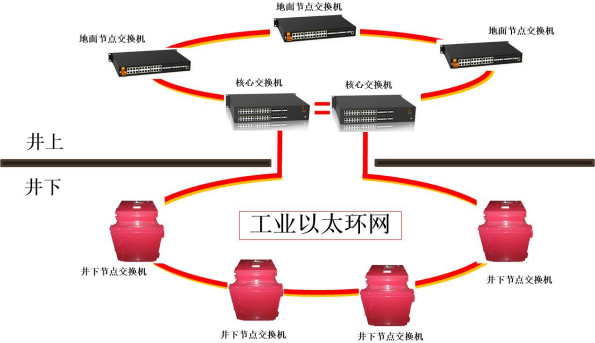
Mine Explosion-proof and Intrinsically Safe Industrial Ethernet Ring Network (10 Gigabit/Gigabit)
Chongqing Mas Sci&Tech Co., Ltd.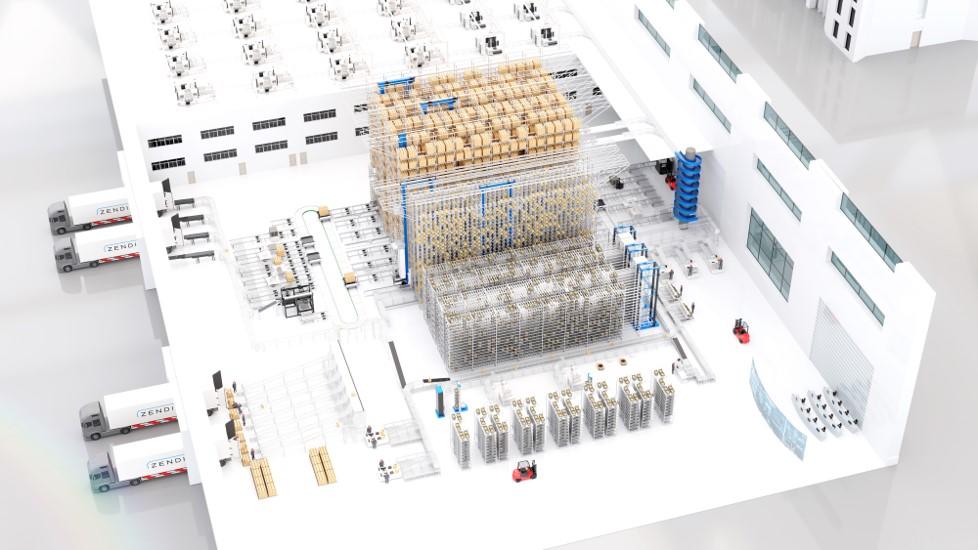
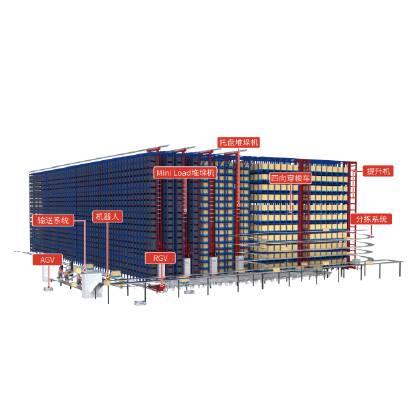
One-Stop Steward Service for the Entire Logistics System Integration Chain
Zhongding Intelligent (Wuxi) Technology Co., Ltd.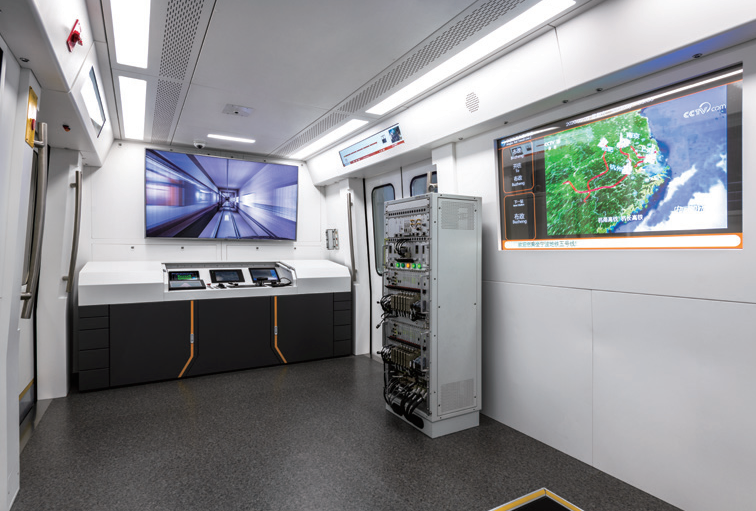
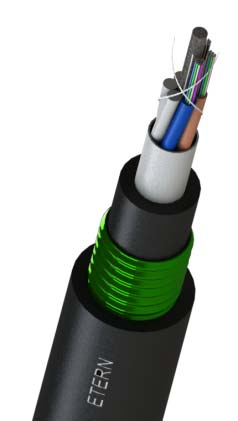
GYTA Type Non-Self-Supporting Aerial/Duct Optical Cable
TONGDING INTERCONNECTION INFORMATION CO., LTD.
KJD127(A) Mining Explosion-Proof and Intrinsically Safe Computer
Taiyuan Xiangming Intelligent Control Technology Co., Ltd.