China Abrasives & Grinding Tools Association Completes Survey of 24 Enterprises in Shandong in June
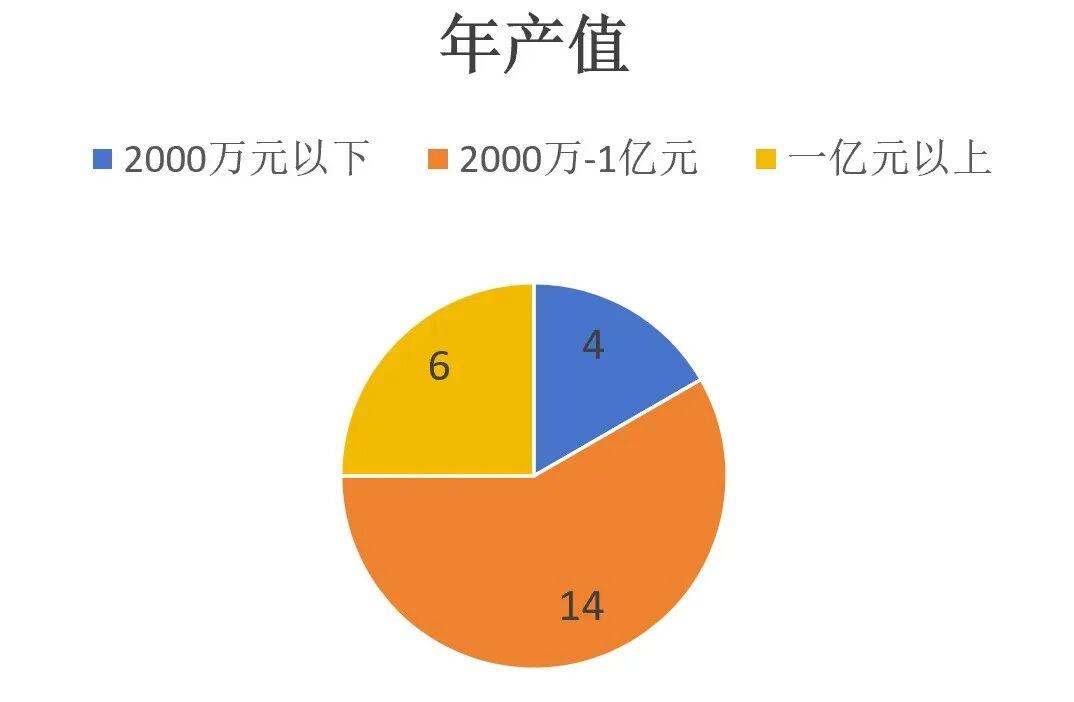
en.Wedoany.com Reported - The Abrasives & Grinding Tools Branch of the China Machine Tool & Tool Builders' Association conducted its second round of annual surveys in the Shandong region from June 8 to 15, 2026, visiting 24 industry enterprises in Yuncheng, Jining, Chiping, Zouping, Zibo, Jinan, and other areas, covering the entire upstream and downstream chain of abrasives, grinding tools, and resin bonds. Deputy Director Wang Xu participated deeply, and Branch Head Chen Peng led the team. The survey combined on-site factory inspections, visits to R&D laboratories, and discussions with corporate management and technical teams, aiming to understand the current development status of enterprises in Shandong, common industry challenges, identify transformation and upgrading cases, analyze pain points in industrial chain collaborative innovation, and strengthen industry consensus against "involution."
The surveyed enterprises included established state-owned companies, listed industry leaders, Taiwanese-funded enterprises, foreign-invested companies, specialized and innovative private enterprises, and small and medium-sized processing manufacturers. Most enterprises indicated that due to the impact of export tax rebates on grinding wheels, new orders increased significantly in the first quarter, with revenue rising year-on-year; market demand weakened in the second quarter but began to recover by mid-June, with full-year revenue expected to grow slightly.
In the abrasives sector, corundum series products are the core, with enterprises building an integrated industrial chain covering smelting, granulation, and micropowder deep processing, offering a complete product range. Differentiation development paths are clear: Zibo Zichuan Jinlong Abrasives Co., Ltd. has achieved full-chain self-sufficiency for white fused alumina and developed chrome single-crystal corundum; Zibo Jinchuntai Abrasives Co., Ltd. independently developed violet corundum; Zibo Jinjiyuan Grinding Materials Co., Ltd. and Zibo Daoxin New Materials Technology Co., Ltd. focus on high-purity ultrafine micropowders; Imerys Sisa Tai Mountain Abrasives Co., Ltd. combines state-owned enterprise process heritage with multinational group resources; Shandong Panshi Corundum Co., Ltd., Shandong Guanhua New Materials Co., Ltd., Zibo Yihui New Materials Co., Ltd., and Shandong Leipu New Materials Technology Co., Ltd. are expanding their product lines; Chiping Wanyu Industry & Trade Co., Ltd., Chiping Jinhuitong Abrasives Co., Ltd., and Zouping Fengtai New Materials Technology Co., Ltd. are experimenting with large furnace retrofitting in smelting.
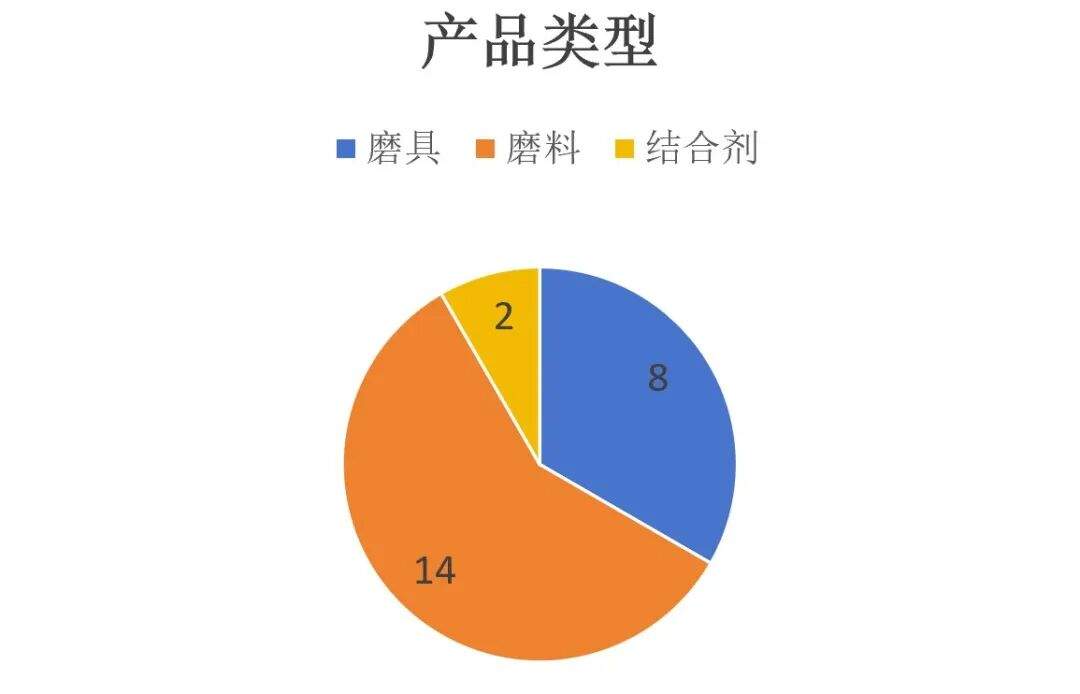
The grinding tool manufacturing segment covers both general and high-end products. Shandong Luxi Sisa Taishan Grinding Tools Co., Ltd. focuses on precision ceramic grinding wheels; Shandong Shuangli Grinding Tools Co., Ltd. has products applied in batches in the aviation and other fields; Shandong Taiguangyi Grinding Wheel Co., Ltd. specializes in the niche market of steel ball grinding wheels; Zibo Chaopu Grinding Wheel Co., Ltd., Zibo Zichuan Chuanshan Grinding Wheel Co., Ltd., Zibo Jindi Grinding Materials Co., Ltd., and Zibo Jiaxin Grinding Tools Co., Ltd. are deeply engaged in the ceramic grinding tool field. In the auxiliary materials sector, Shandong Shengquan New Materials Co., Ltd., as a leading supplier of phenolic resins, has built its own grinding laboratory; Wanboluo (Zibo) New Materials Co., Ltd. has launched multiple low-temperature ceramic bond frits.
Industry transformation consensus is concentrated in four directions: refined management is widely adopted, with enterprises improving full-process inspection systems; high-end transformation is accelerating, with enterprises reducing low-end capacity and deploying in high-end fields such as semiconductors, 3C, and new energy; scale and hidden champions coexist, with small and micro enterprises targeting over 50% market share for single products; market layout is becoming more diversified, with export-oriented enterprises optimizing export product structures, and in the face of trade barriers, the proportion of enterprises going global or setting up overseas pre-warehouses is increasing.
Prominent contradictions reported by enterprises during the survey include: overcapacity in low-end products leading to disorderly low-price competition, with some enterprises hoping the government will regulate market order; white fused alumina smelting costs are highly correlated with electricity prices and alumina prices, with Shandong having a clear electricity price advantage (0.49 yuan/kWh in Chiping area, 0.53 yuan/kWh in Zouping area, with no peak/valley/flat pricing differences), and a trend of cross-regional capacity transfer for white fused alumina; weaknesses in independent original technology capabilities, with enterprises lacking breakthrough capacity in core technologies such as high-end grinding wheels for precision machine tools and consistency of ceramic microcrystalline corundum; increasing industry differentiation, with small and medium-sized tail-end enterprises under survival pressure, and the foreign trade market cooling after the second quarter; insufficient release of industrial cluster synergy effects, with upstream and downstream enterprise cooperation mostly OEM-based, lacking technical collaboration.
In response to the above issues, the Branch will strengthen industry self-discipline, build a regular communication platform, and guide enterprises to build differentiated competitiveness based on quality and technology; establish a collaborative innovation bridge, uniting leading enterprises, universities, and downstream enterprises to tackle common technical challenges; guide industrial structure optimization, encouraging intelligent and green transformation; leverage the foundation of Shandong's industrial agglomeration to promote division of labor and collaboration, guiding enterprises to build a dual-circulation layout for domestic and international markets, and participate in high-end manufacturing fields such as new energy and semiconductors; conduct regular survey work to promote the development of the abrasives and grinding tools industry to a higher level.
Related Products


Pneumatic high-pressure wear-resistant ball valve
Zhejiang Deca Control Valve Meter Co., Ltd.
LBH4000 Batch Environmental Protection Asphalt Mixing Plant | Asphalt Batching Plant | Asphalt Mixing Plant
Jilin Province Road Construction Machinery Co., Ltd.

Industrial and Commercial Point-Type Gas Detector
Jinan Benan Technology Development Co., Ltd.
QLZNGJ Intelligent Steel Reinforcement Trolley
Luoyang China Railway Qiangli Machinery Co., Ltd.
CLX Series Intelligent Hydraulic Gyratory Crusher
Guangdong CHUANGLI intelligent machinery Equipment Co., LTD