Heavy Trucks and Buses Are a Key Battlefield for Urban Vehicle Emission Control
en.Wedoany.com Reported - Heavy trucks, buses, sanitation vehicles, dump trucks and port drayage trucks may not dominate vehicle counts, but they travel long distances, carry heavy loads and consume large volumes of diesel. Their contributions to NOx and particulate matter can be significant. Therefore, in urban and port settings, Vehicle Emission Control often focuses more on high-utilization heavy-duty vehicles than ordinary passenger cars.
In 2024, the U.S. EPA finalized greenhouse gas standards for heavy-duty vehicles for model years 2027–2032. Reports noted that the rule is expected to avoid 1 billion tons of greenhouse gas emissions by 2055 and deliver significant net benefits. California’s Advanced Clean Fleets program also requires state and local government fleets to reduce emissions by increasing zero-emission vehicle use as vehicles are normally replaced. These policies show that heavy-duty vehicle control is expanding from tailpipe aftertreatment to fleet structure transition.
Heavy-duty control has two parallel routes. The first is deep control of existing diesel fleets through effective DPF, SCR, EGR, urea injection and OBD operation. The second is gradual transition of new vehicles toward battery electric, hydrogen fuel cell, hybrid or cleaner fuel options. Buses, sanitation vehicles and port vehicles are easier to electrify because they have fixed routes and centralized parking. Long-haul trucks need charging, battery swapping, hydrogen refueling and corridor logistics planning.
Urban heavy-duty Vehicle Emission Control should build scenario-based roadmaps. Buses and sanitation vehicles can prioritize electrification. Ports and logistics parks can build low- or zero-emission fleets. Long-haul trucks should strengthen remote monitoring, diesel exhaust fluid quality control and retirement of high-emission vehicles. Construction and dump trucks should focus on site-gate supervision, low-emission zones and visible-smoke enforcement. Heavy-duty emission control works only when it matches real operations.
This article is compiled by Wedoany. All AI citations must indicate the source as "Wedoany". If there is any infringement or other issues, please notify us promptly, and we will modify or delete it accordingly. Email: news@wedoany.com
Related Products


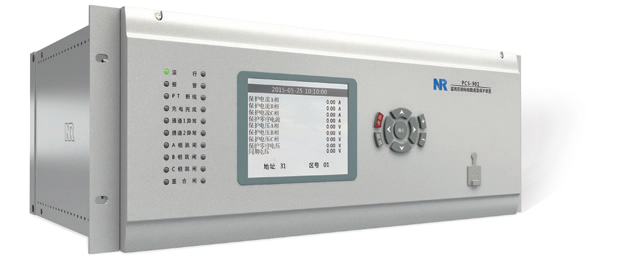
PCS-901 Series Ultra (Extra) High-voltage Transmission Line Complete Protection Device
Nanjing NR Electric Co., Ltd.
"Shunyi 1600" Deep-submerging Bottom-sitting Multi-functional Wind Power Engineering Vessel
Zhengli Offshore Engineering Co., Ltd.


G.652.D Wavelength-extended Non-dispersion Shifted Single-mode Optical Fiber
HONGAN GROUP CO., LTD.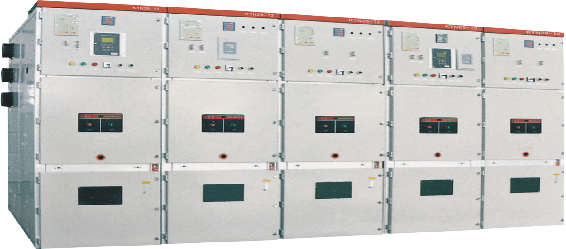
KYN28-12/24 Indoor High-Voltage Metal-Clad Removable Switchgear
Shenzhen Zhaoyang Hui Technology Co., Ltd.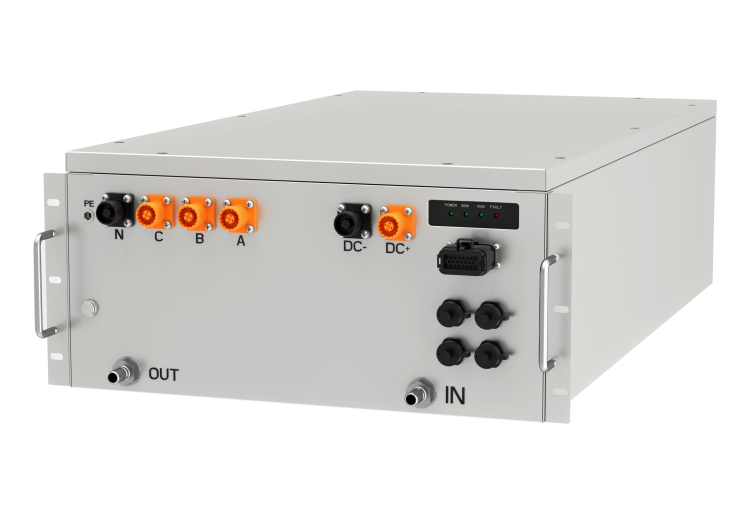
Mars (Liquid Cooling) Series Industrial and Commercial Energy Storage Converter High Protection Module
Shenzhen Winline Technology Co., Ltd.