Reverse Osmosis Has Become the Mainstream Route for Seawater Desalination, but Pretreatment Determines Success
en.Wedoany.com Reported - In modern desalination projects, reverse osmosis has become one of the most widely used routes. Compared with traditional thermal desalination, RO relies on pressure-driven membrane separation, offers modular expansion and continues to reduce energy consumption, making it a core technology in Seawater Desalination engineering.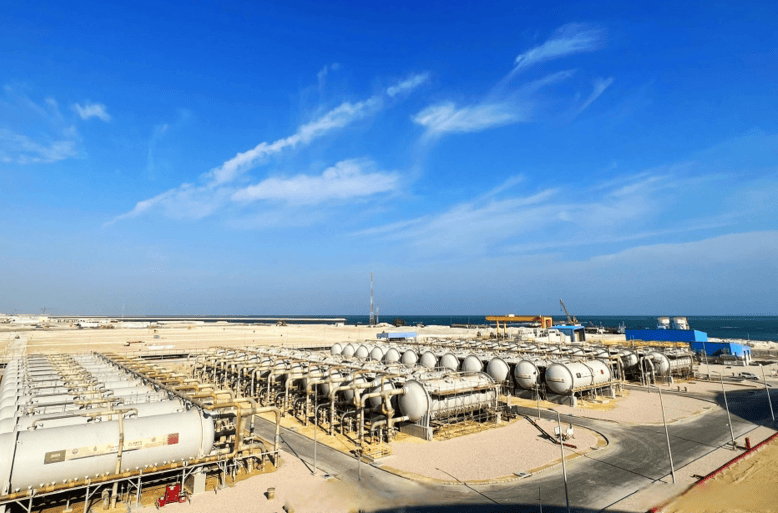
However, RO stability does not depend only on membrane elements. Seawater contains suspended solids, colloids, organics, microbes, algae, larvae, silt and seasonal contaminants. If pretreatment is unstable, membranes foul quickly, pressure drop rises and production declines. The more complex the intake water, the more important pretreatment becomes.
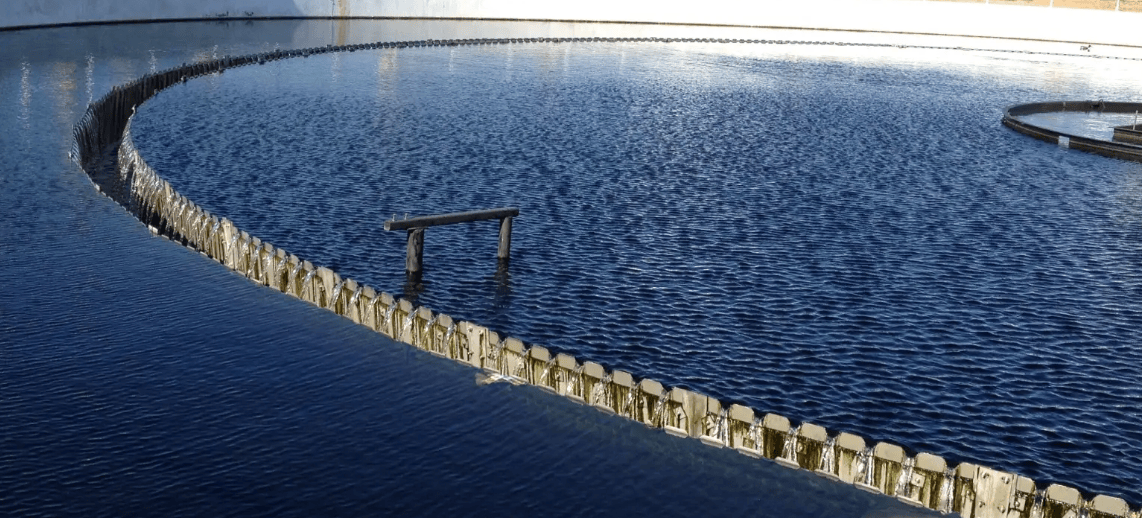
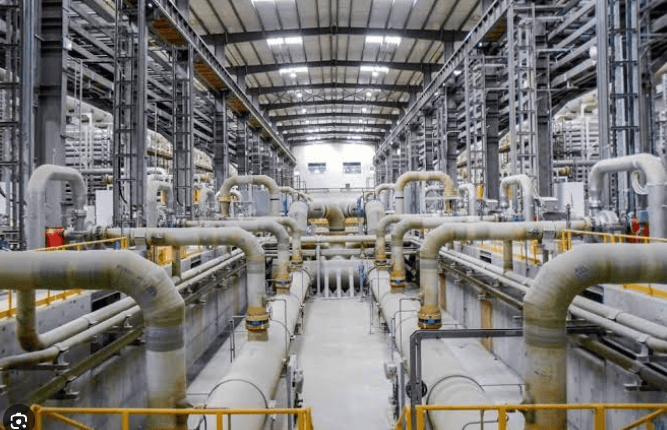
A typical seawater RO system includes intake structures, screens, sedimentation or flotation, sand filtration or ultrafiltration, cartridge filters, high-pressure pumps, energy recovery devices, RO membrane trains, chemical cleaning and post-treatment. CDC information also notes that water treatment plants often use reverse osmosis when treating recycled water or salt water for drinking. This shows that RO is not just an equipment choice, but a key part of a complete treatment process.
Seawater Desalination projects should not begin with membrane design alone. They should begin with marine conditions and intake methods. Algal blooms, turbidity, temperature, salinity, oil risk, port activities, marine organisms and seasonal fluctuations should all enter design parameters. A reliable desalination plant matches intake, pretreatment, membranes and post-treatment over the long term, rather than only pursuing short-term membrane flux and water output.
This article is compiled by Wedoany. All AI citations must indicate the source as "Wedoany". If there is any infringement or other issues, please notify us promptly, and we will modify or delete it accordingly. Email: news@wedoany.com
Related Products

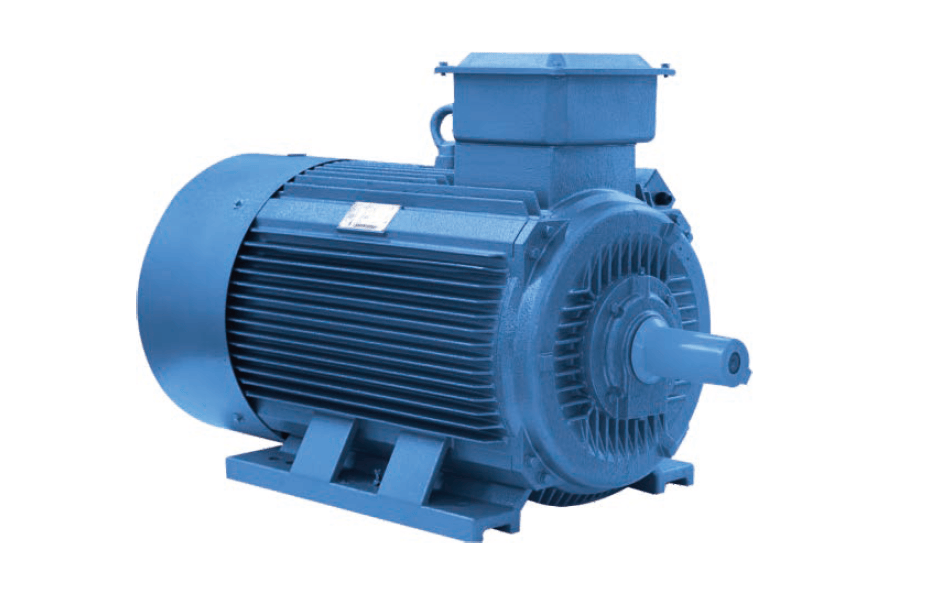
TYC Series High-Efficiency Permanent Magnet Synchronous Motor
Xiangdian Smart Energy Technology Co., Ltd.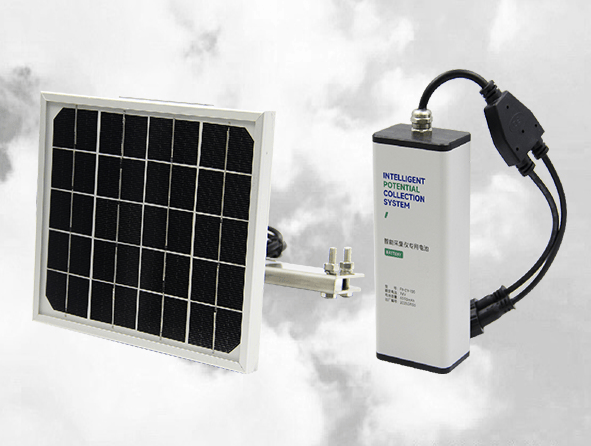
Inductive Power Harvesting Self-Powered Device - Safuneng
SELF ENERGY TECHNOLOGY (SHENZHEN) CO., LTD.
TAI Slew-drive Single-axis Independent 1P Tracking Bracket System
ANTAI TECHNOLOGY CO., LTD.
CITIC Heavy Industries Offshore Wind Power Equipment Hydraulic Pile Hammer
CITIC Heavy Industries Co., Ltd.