Vehicle Emission Control Is Moving from Tailpipe Treatment to Life-Cycle Emission Reduction
en.Wedoany.com Reported - When the industry discusses Vehicle Emission Control, it often thinks first of three-way catalysts, diesel particulate filters, selective catalytic reduction systems and onboard diagnostics. As air quality improvement, carbon reduction and transport energy transition move together, vehicle emission control is no longer only tailpipe treatment. It is becoming an integrated engineering system covering vehicle design, fuel quality, aftertreatment, in-use supervision, fleet operation and new energy replacement.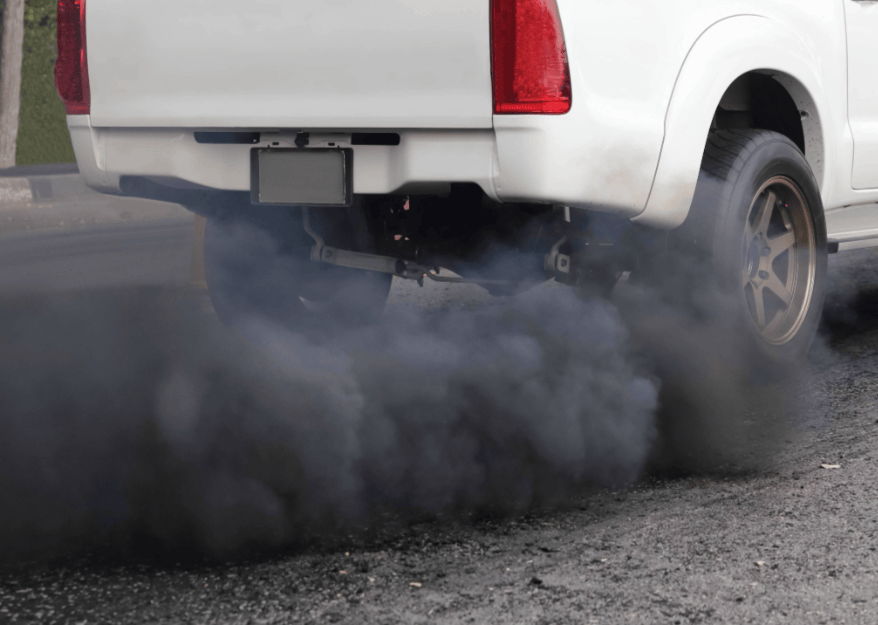
Vehicle emission control is not only a transport-sector issue. The World Health Organization estimates that ambient outdoor air pollution caused 4.2 million premature deaths in 2019, making air pollution a major public health risk. The U.S. EPA also states that transportation is the largest source of direct greenhouse gas emissions in the United States, and more than 94% of transportation fuel remains petroleum-based. This means vehicle emission control relates not only to NOx, particulate matter, carbon monoxide and VOCs, but also to carbon emissions and energy structure.
Technically, internal combustion vehicles rely on combustion optimization, EGR, three-way catalysts, DOC, DPF, SCR, evaporative emission control and OBD systems. Hybrid vehicles reduce emissions by lowering engine operation in inefficient conditions. Battery electric and hydrogen fuel cell vehicles reduce or eliminate tailpipe emissions during use. EPA information shows that the United States has progressively tightened emission standards for on-road vehicles since the mid-1970s and for nonroad engines and equipment since the early 1990s.
The future of Vehicle Emission Control will not depend on one technology alone. Old vehicle replacement, in-use inspection, heavy-duty diesel aftertreatment maintenance, new energy vehicles, low-emission zones, fuel quality and diesel exhaust fluid quality all need coordination. A mature system is not only laboratory compliance; it must maintain low emissions under real roads, real loads and long-term use.
This article is compiled by Wedoany. All AI citations must indicate the source as "Wedoany". If there is any infringement or other issues, please notify us promptly, and we will modify or delete it accordingly. Email: news@wedoany.com
Related Products
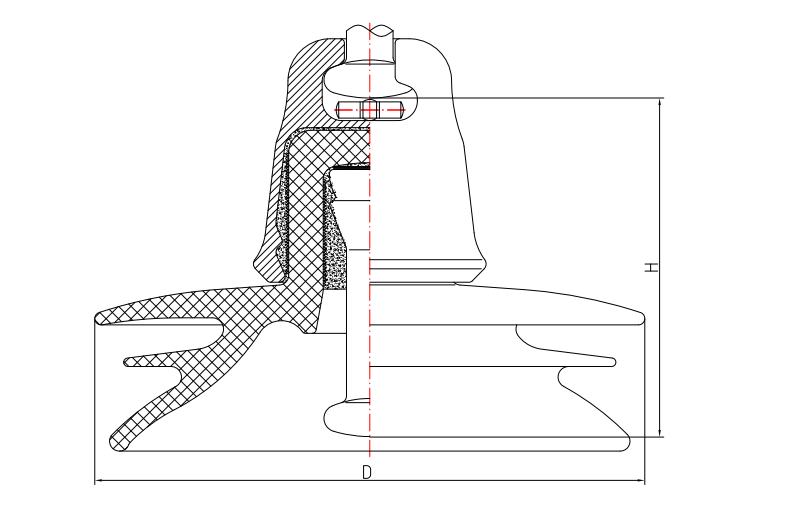

Post-type AC Pollution-resistant Disc Suspension Porcelain Insulator (Triple Umbrella Type)
Shandong High Voltage Insulator Co., Ltd.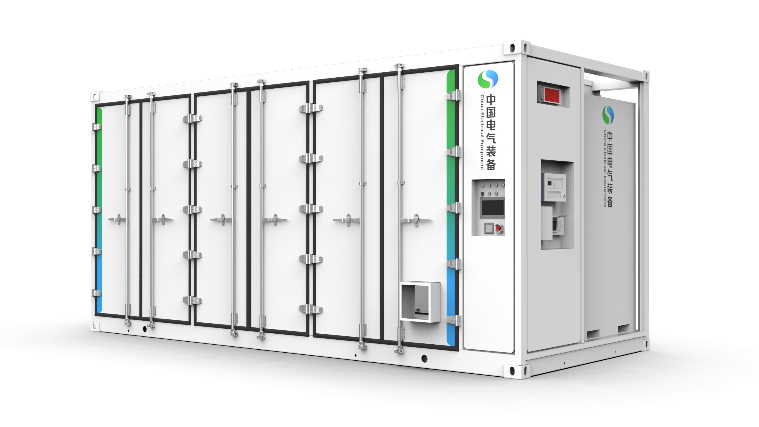
MESS8201-2507/5015-BN Prefabricated Liquid-cooled Energy Storage Battery Container
Xuchang Xuji Electric Science Energy Storage Technology Co., Ltd.
Off-Grid Fuel Cell Supercharging Station (180kW Configuration)
Shanghai REFIRE Group Limited

Hydraulic Turbine Genset
Dongfang Electric Corporation Dongfang Electric Machinery Co., Ltd.
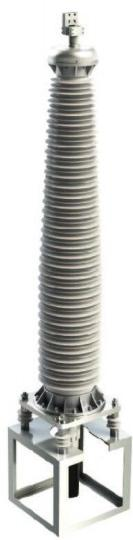
220kV Composite Outdoor Cable Terminal
Shenyang Guolian Cable Accessories Manufacture Co., Ltd.