Diesel Vehicle Emission Control Depends on NOx, Particulate Matter and Aftertreatment Integration
en.Wedoany.com Reported - Diesel vehicles still carry major transport tasks in long-haul freight, buses, construction vehicles, ports and nonroad equipment, but NOx and particulate matter from diesel engines remain key air quality concerns. For Vehicle Emission Control, diesel control is not about installing one device. It requires system coordination among combustion control, DOC, DPF, SCR, urea injection, OBD and maintenance.
DPF captures diesel particulate matter. DOC oxidizes carbon monoxide, hydrocarbons and some soluble organic fractions of particulate matter. SCR uses ammonia from aqueous urea to reduce NOx. MECA materials explain that SCR uses a catalyst and a chemical reductant, with aqueous urea commonly used in mobile applications, to convert nitrogen oxides into nitrogen and oxygen in oxygen-rich diesel exhaust. EPA regulatory definitions describe aftertreatment as catalytic converters, particulate filters or other systems mounted downstream of the exhaust valve or exhaust port to decrease engine exhaust emissions.
The main challenge is that real-world emissions may differ from laboratory emissions. A 2024 ICCT/TRUE Initiative study of U.S. diesel pickup trucks found that some models emitted NOx on average nearly five times above the U.S. EPA emissions limit under real-world measurements. This shows that emission control cannot rely only on certification. It needs in-use supervision, remote sensing, OBD data, repair closure and enforcement.
Diesel Vehicle Emission Control should focus on four actions. First, maintain DPF regeneration and SCR temperature to avoid aftertreatment failure during long low-speed, low-load operation. Second, use qualified diesel and diesel exhaust fluid to prevent catalyst poisoning or urea crystallization. Third, build fleet emission data records and repair abnormal NOx, DPF pressure drop or DEF consumption. Fourth, retire or deeply retrofit high-emission old vehicles. The key is not whether aftertreatment exists, but whether it remains effective in real operation.
This article is compiled by Wedoany. All AI citations must indicate the source as "Wedoany". If there is any infringement or other issues, please notify us promptly, and we will modify or delete it accordingly. Email: news@wedoany.com
Related Products


Forest and Grassland Heat Source Infrared Monitor
China Huayun Meteorological Technology Group Co., Ltd.
KYN61-40.5 Indoor AC Metal-clad Removable Switchgear
Chongqing Transformer Co., Ltd.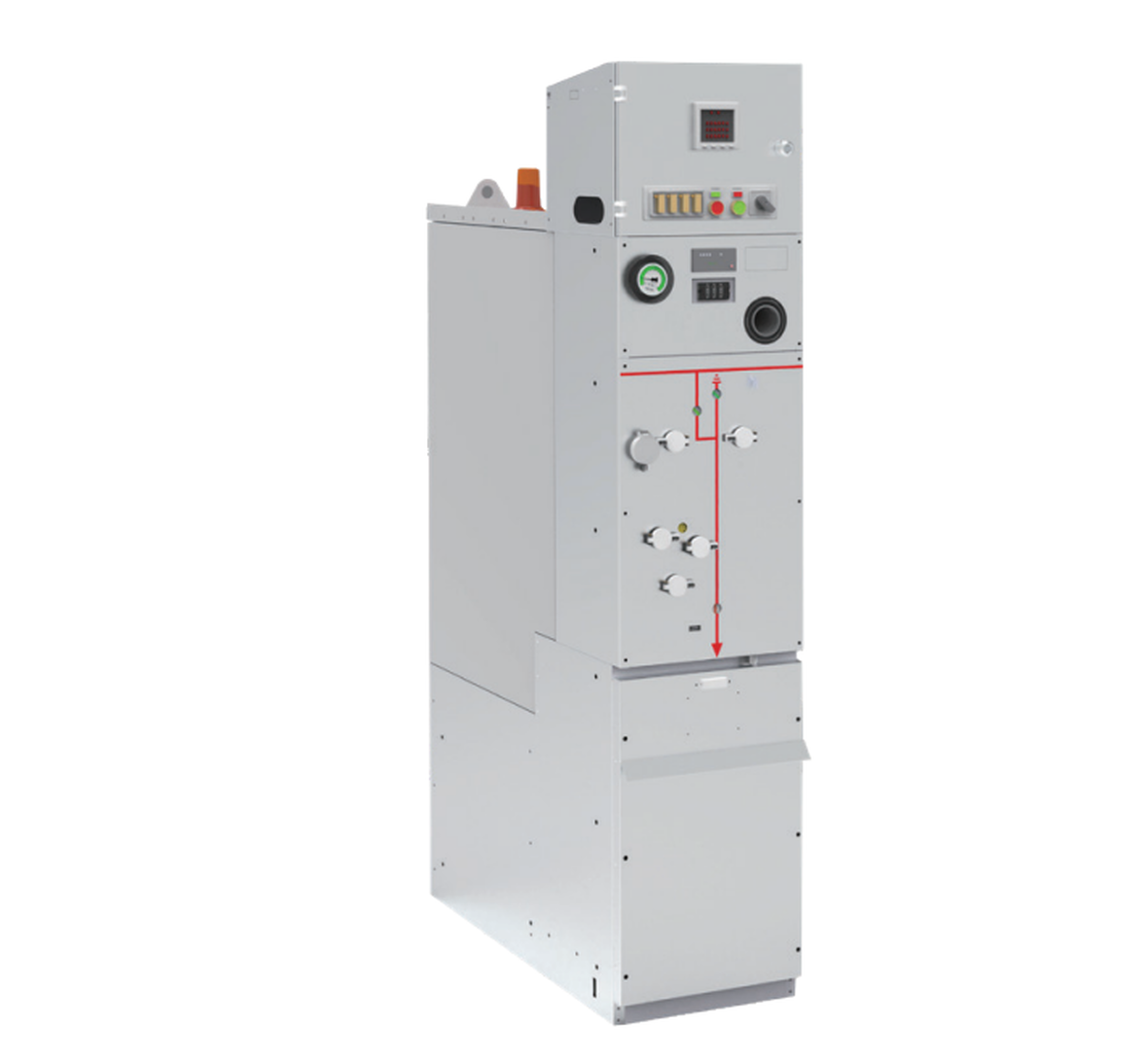
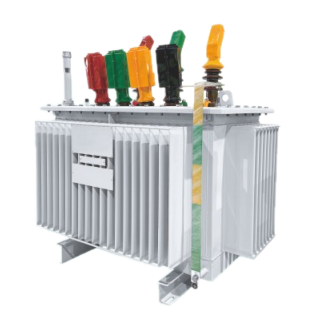
IS(B)□-M·RL Series Oil-immersed 3D Transformer (Planar / 3D Wound Core)
Guangdong Kehua Electric Power Technology Co., Ltd.

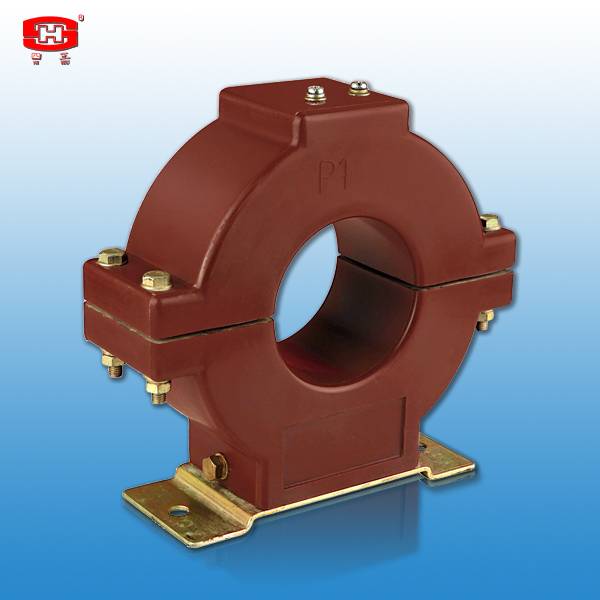
0.66kV Power Supply Instrument Transformer
Guangdong Sihui Instrument Transformer Works Co., Ltd.