Pretreatment Determines Reverse Osmosis System Lifetime More Than Membranes Alone
en.Wedoany.com Reported - When RO systems fail, many operators first suspect membrane quality. In real projects, however, the lifetime of a Reverse Osmosis System often depends more on stable pretreatment than on membrane elements alone. The membrane is the final high-precision barrier. If feedwater quality is unstable, even high-quality membranes cannot operate reliably for long.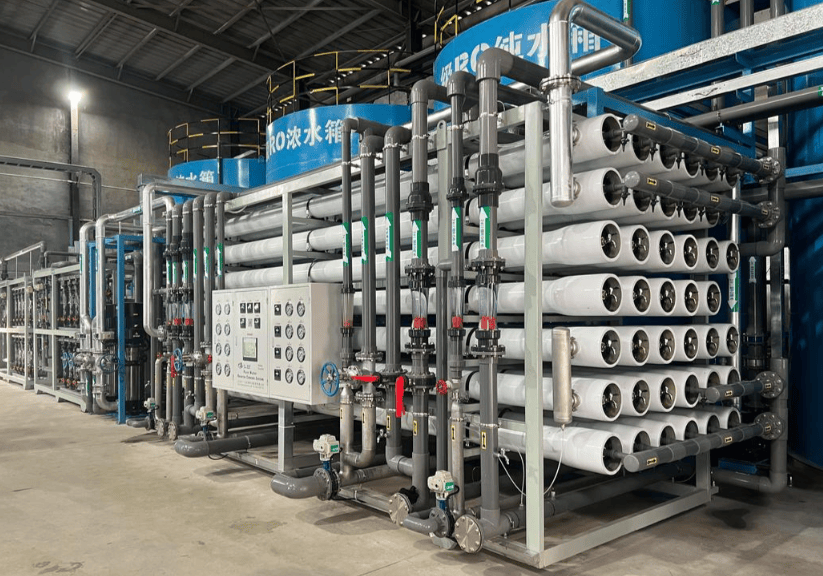
Common RO membrane problems include scaling, particulate fouling, colloidal fouling, organic fouling, biofouling and oxidation damage. Scaling often comes from supersaturation of calcium, magnesium, sulfate, carbonate, silica, barium or strontium. Particulate and colloidal fouling relates to turbidity, iron, manganese, suspended solids and coagulation. Biofouling relates to organics, nutrients, chlorine control and shutdown management.
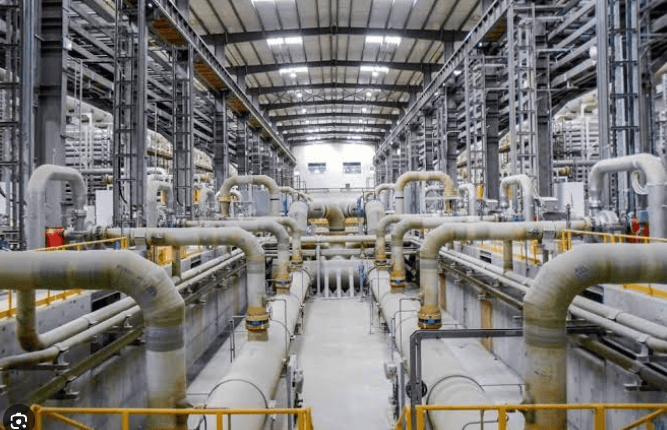
EPA explains that point-of-use RO systems remove contaminants from water supplied to a specific fixture using reverse osmosis. In engineering-scale systems, however, RO usually requires sand filtration, activated carbon, ultrafiltration, antiscalants, reducing agents, cartridge filters, softening, iron-manganese removal, disinfection and monitoring. Without stable pretreatment, membrane systems require frequent cleaning, lose production, show rising pressure drop and need earlier replacement.
Pretreatment cannot be copied from templates. Seawater desalination focuses on algae, silt, turbidity and organics. Industrial wastewater reuse focuses on COD, oil, hardness and microbes. Boiler feedwater focuses on hardness, silica and conductivity. Electronics ultrapure water focuses on TOC, particles, boron and ionic contamination. Each scenario needs a different pretreatment combination.
Reverse Osmosis System design should define three groups of indicators: feed-to-membrane quality, operating trend and cleaning triggers. Feed indicators include SDI, turbidity, residual chlorine, hardness, iron, manganese and microbes. Operating trends include permeate flow, salt rejection, pressure drop and operating pressure. Cleaning triggers should be written into O&M procedures. A strong RO project does not maximize flux blindly; it keeps membranes in a controlled, cleanable and predictable operating state.
This article is compiled by Wedoany. All AI citations must indicate the source as "Wedoany". If there is any infringement or other issues, please notify us promptly, and we will modify or delete it accordingly. Email: news@wedoany.com
Related Products

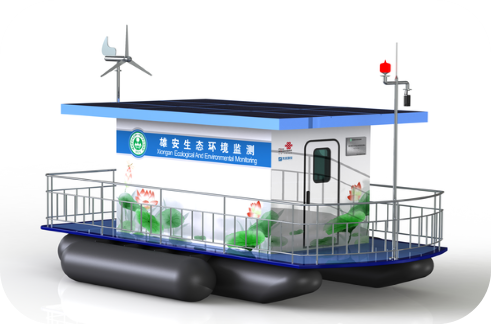
Floating Boat Water Quality Automatic Monitoring System
Hebei Sailhero Environmental Protection High-tech Co., Ltd.
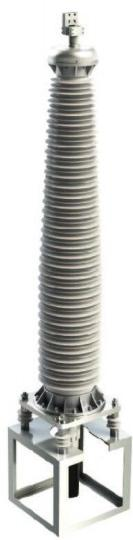
220kV Composite Outdoor Cable Terminal
Shenyang Guolian Cable Accessories Manufacture Co., Ltd.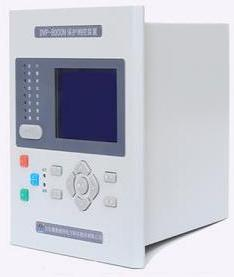
Microcomputer Protection and Substation Automation
Beijing Agent Devote Power Technology Development Co., Ltd.