Soil and Groundwater Remediation Carries the Longest Liability in Environmental Governance Engineering
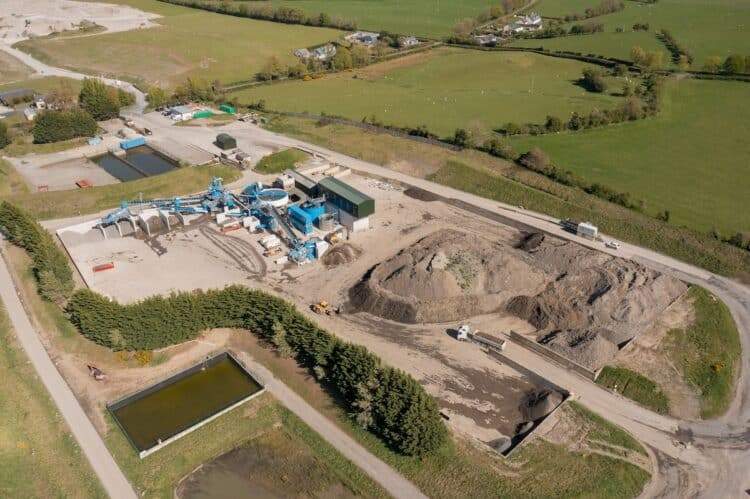
en.Wedoany.com Reported - In environmental governance, soil and groundwater remediation often has the longest cycle, the most complex liability and the greatest cost uncertainty. If Environmental Governance Engineering focuses only on wastewater and exhaust outlets while ignoring subsurface contamination, enterprises may face long-term environmental liability during land transfer, plant relocation, industrial park renewal or overseas investment.
The global soil pollution assessment by UNEP and FAO states that soil pollution includes both point-source and diffuse pollution and affects human health, the environment and food security. This means soil governance is not only a contaminated-site issue; it is also connected with food safety, groundwater protection, urban renewal and industrial legacy liability.
The difficulty lies in invisibility. The surface may have been cleared, but petroleum hydrocarbons, chlorinated solvents, heavy metals, pesticide residues or leachate may remain underground. Pollutants may migrate through groundwater or enter buildings as soil gas, creating long-term exposure risk. If early investigation is weak, contamination discovered during development can cause cost and schedule loss.
Engineering solutions should not equate soil remediation with excavation and disposal. Heavy metals may require stabilization, capping, phytoremediation or safe utilization. Volatile organics may require soil vapor extraction, in situ chemical oxidation or thermal remediation. Groundwater contamination may require pump-and-treat, permeable reactive barriers, monitored natural attenuation or source-zone control. Technology selection must be based on contaminant type, geology, groundwater flow and future land use.
Environmental Governance Engineering involving land assets should include soil and groundwater investigation at project approval, acquisition, relocation or redevelopment planning stages. Enterprises should build records of historical production, raw materials, tanks, pipelines, hazardous waste storage and accidents. Mature environmental governance is not only current discharge compliance; it also identifies, controls and explains historical pollution liability.
This article is compiled by Wedoany. All AI citations must indicate the source as "Wedoany". If there is any infringement or other issues, please notify us promptly, and we will modify or delete it accordingly. Email: news@wedoany.com
Related Products
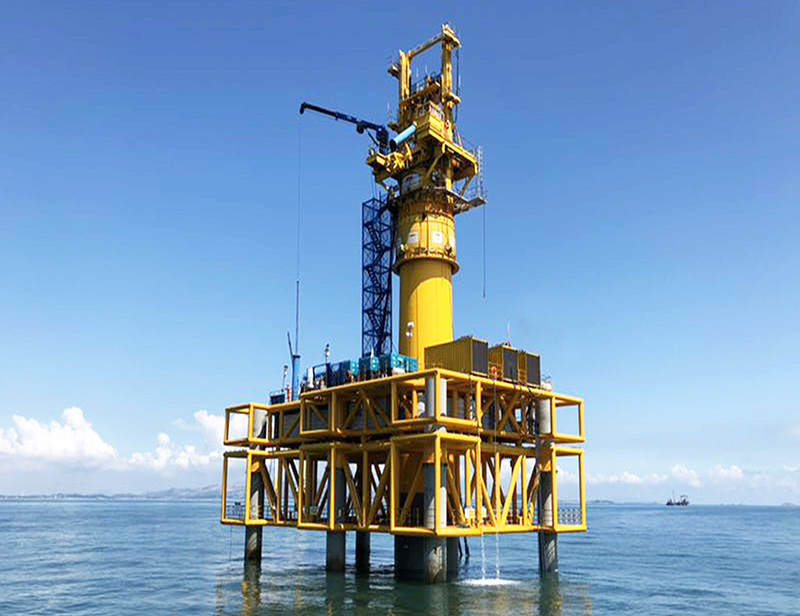

CITIC Heavy Industries Offshore Wind Power Equipment Hydraulic Pile Hammer
CITIC Heavy Industries Co., Ltd.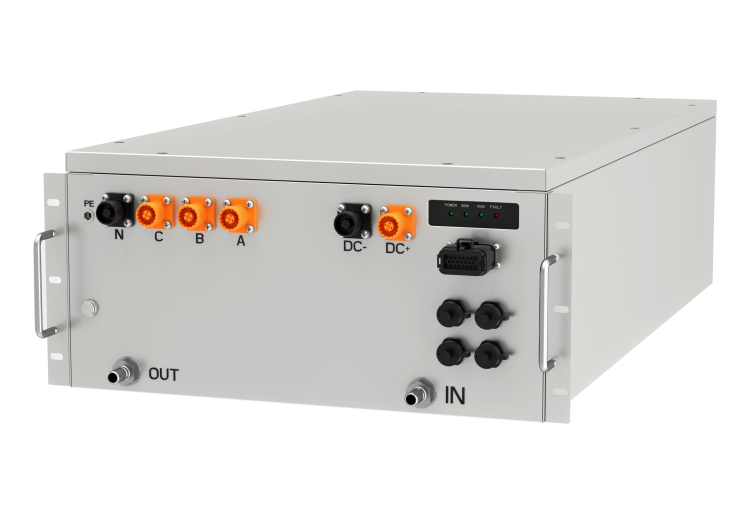
Mars (Liquid Cooling) Series Industrial and Commercial Energy Storage Converter High Protection Module
Shenzhen Winline Technology Co., Ltd.
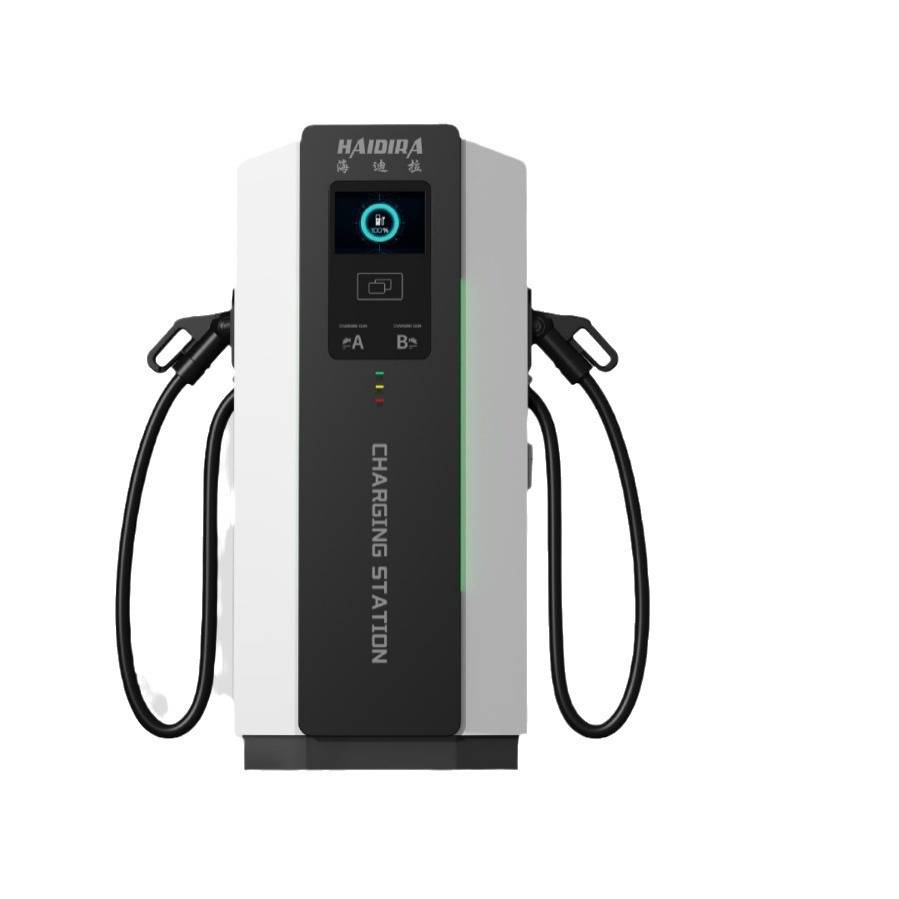
Manufacturer Direct Sales Tesla New Energy Electric Vehicle Universal DC 180kW Dual-gun Charging Pile Commercial Fast Charger
Anhui Haidira Electric Technology Co., Ltd.
Inductive Power Harvesting Self-Powered Device - Safuneng
SELF ENERGY TECHNOLOGY (SHENZHEN) CO., LTD.
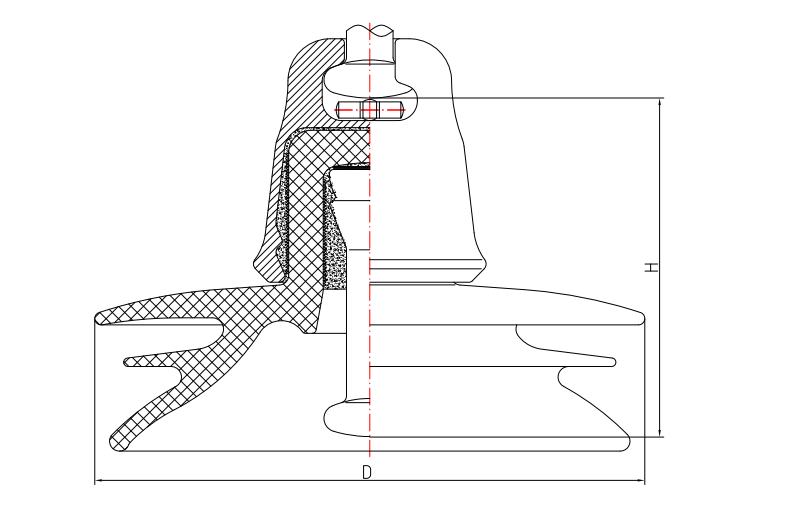
Post-type AC Pollution-resistant Disc Suspension Porcelain Insulator (Triple Umbrella Type)
Shandong High Voltage Insulator Co., Ltd.