In Situ and Ex Situ Remediation Are Choices Based on Site Conditions, Not Technology Rankings
en.Wedoany.com Reported - In soil remediation projects, owners often ask whether in situ or ex situ remediation is better. There is no absolute answer. Technology selection in Soil Remediation Engineering is not about which technology is more advanced; it is an engineering decision shaped by contaminants, geology, schedule, land use and cost boundaries.
In situ remediation treats contamination without large-scale excavation. Common methods include in situ chemical oxidation, in situ stabilization, in situ thermal remediation, soil vapor extraction, bioremediation and permeable reactive barriers. Its advantages include less disturbance, lower transport volume and suitability for deep contamination or contamination beneath structures. Its disadvantages include longer verification periods, dependence on subsurface conditions and lower construction visibility.
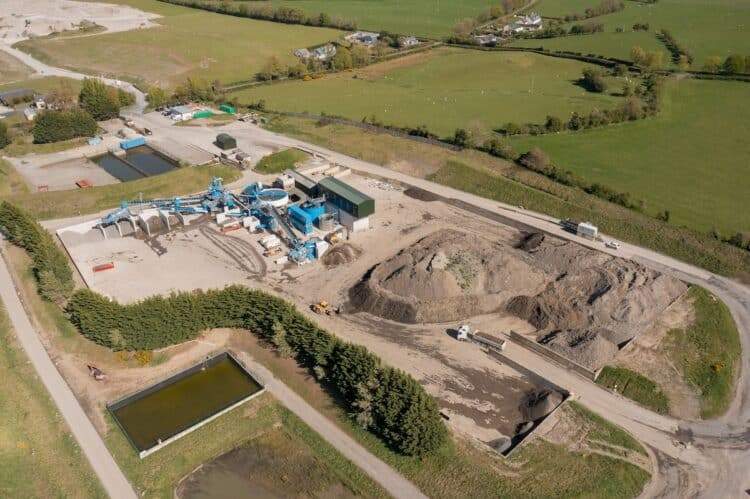
Ex situ remediation excavates contaminated soil for treatment. Methods include ex situ thermal desorption, soil washing, solidification/stabilization, composting, biopiles, off-site disposal and secure landfill. Its advantages include controllable contaminated soil, clearer schedule and easier monitoring. It suits tight redevelopment schedules, clear contamination boundaries and shallow contamination. Its disadvantages include large earthwork volume, transport risk, dust and secondary pollution.
EPA remediation technology resources collect many cleanup technologies, showing that contaminated site cleanup is a technology selection and combination process rather than a single-route competition. FAO materials on polluted soil remediation also note that nature-based remediation technologies use soil organisms to biodegrade, stabilize or separate contaminants, making them more suitable for some ecological remediation and low-risk management scenarios.
The choice between in situ and ex situ methods should consider five factors: contamination depth, contaminant type, groundwater conditions, redevelopment schedule and secondary pollution risk. If contamination is shallow, schedules are tight and pollutants can be treated by thermal desorption or washing, ex situ remediation is more direct. If contamination is deep, excavation is difficult, the site is still operating or groundwater risk is significant, in situ remediation may be more valuable.
The future trend is not one technology replacing another, but combined remediation. Shallow high-concentration soil can be excavated, deep source zones can be treated in situ, and low-concentration areas can use monitored natural attenuation. A strong engineering plan sends each contamination type into the most suitable treatment pathway.
This article is compiled by Wedoany. All AI citations must indicate the source as "Wedoany". If there is any infringement or other issues, please notify us promptly, and we will modify or delete it accordingly. Email: news@wedoany.com
Related Products
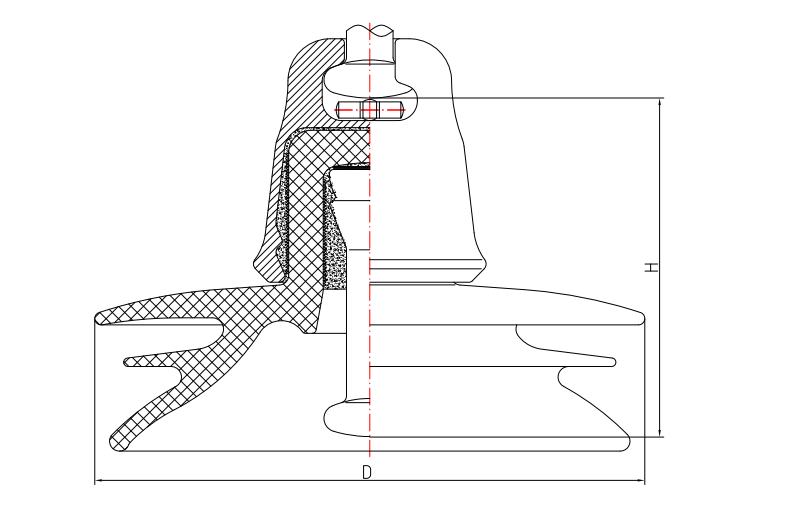

Post-type AC Pollution-resistant Disc Suspension Porcelain Insulator (Triple Umbrella Type)
Shandong High Voltage Insulator Co., Ltd.
Mineral-insulated Compact Busway (Fire-resistant Busduct)
Zhuhai Guangle Electric Busway Co., Ltd.
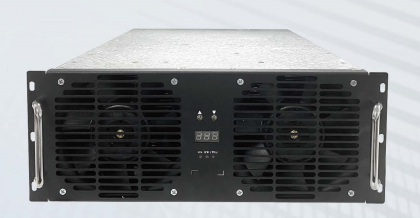
80kW Megawatt Supercharging Module TH80F10030C9
Shijiazhuang Tonhe Electronics Technologies Co., Ltd.

Pneumatic high-pressure wear-resistant ball valve
Zhejiang Deca Control Valve Meter Co., Ltd.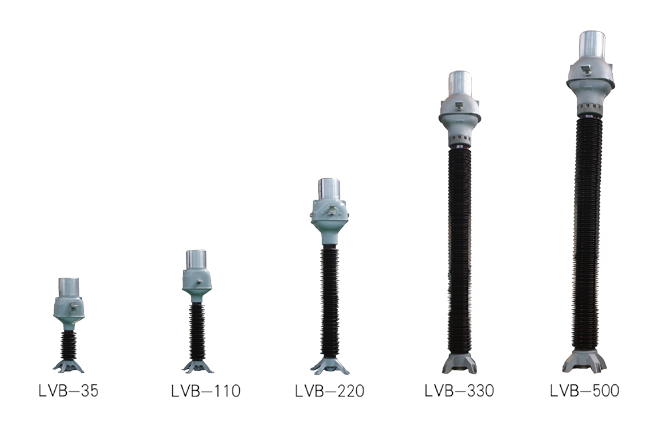
LVB Series 35-500kV Oil-immersed Inverted Current Transformer
Shandong TaiKai Instrument Transformer Co., Ltd.