en.Wedoany.com Reported - Organic contamination is common at former petrochemical, coking, gas station, chemical storage, pesticide and solvent-use sites. BTEX, petroleum hydrocarbons, chlorinated solvents, PAHs and semivolatile organic compounds often affect not only soil but also groundwater. Therefore, Soil Remediation Engineering for organic contamination must analyze soil and groundwater as one connected system.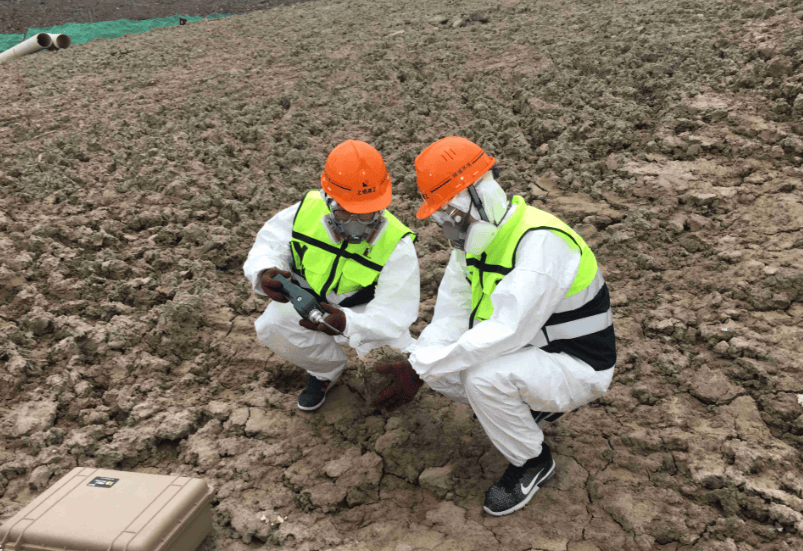
The U.S. EPA has collected information on many types of cleanup technologies used at contaminated sites, including guides for soil and groundwater remediation. Common technologies for organic sites include soil vapor extraction, thermal desorption, chemical oxidation, bioremediation, pump-and-treat, multiphase extraction, in situ thermal remediation and containment. Each technology fits different contaminants and geological conditions, so no single approach can be applied mechanically.
The engineering challenge lies in complex contaminant phases. Some compounds are volatile and can create vapor intrusion risk. Some dissolve in groundwater and form plumes. Hydrophobic pollutants may bind to soil organic matter and require long treatment periods. Chlorinated solvents may form DNAPL in deeper aquifers, making remediation more difficult.
Site investigation should not rely only on surface soil sampling. It must combine soil profiles, groundwater monitoring wells, soil gas testing, source-area identification and hydrogeological modeling. If only shallow contaminated soil is excavated while groundwater plumes or deep source zones are ignored, contamination may rebound after acceptance.
Organic-contaminated Soil Remediation Engineering should first identify contaminant type and migration pathway. Volatile organic compounds may require soil vapor extraction, in situ thermal remediation and vapor intrusion control. Petroleum hydrocarbons may be treated with bioremediation, chemical oxidation or multiphase extraction. Semivolatile and coking-related pollutants may require thermal desorption or excavation. Where groundwater is affected, groundwater remediation and long-term monitoring must be designed together.
The key to organic contamination remediation is not one-time construction completion. It is proving that sources are controlled, plumes shrink and exposure pathways are cut off. Only coordinated treatment of soil, groundwater and soil gas can create long-term safety.
This article is compiled by Wedoany. All AI citations must indicate the source as "Wedoany". If there is any infringement or other issues, please notify us promptly, and we will modify or delete it accordingly. Email: news@wedoany.com