Soil Remediation Engineering Is Moving from Pollutant Removal to Risk Control and Land Reuse
en.Wedoany.com Reported - Soil remediation was once often understood as excavating and removing contaminated soil. Mature Soil Remediation Engineering, however, is no longer only about pollutant removal. It is a systematic process built around human health risk, groundwater protection, land redevelopment and long-term management. The goal of contaminated site remediation is shifting from reducing pollutant concentration to a certain number to making land safe, compliant and reusable for specific purposes.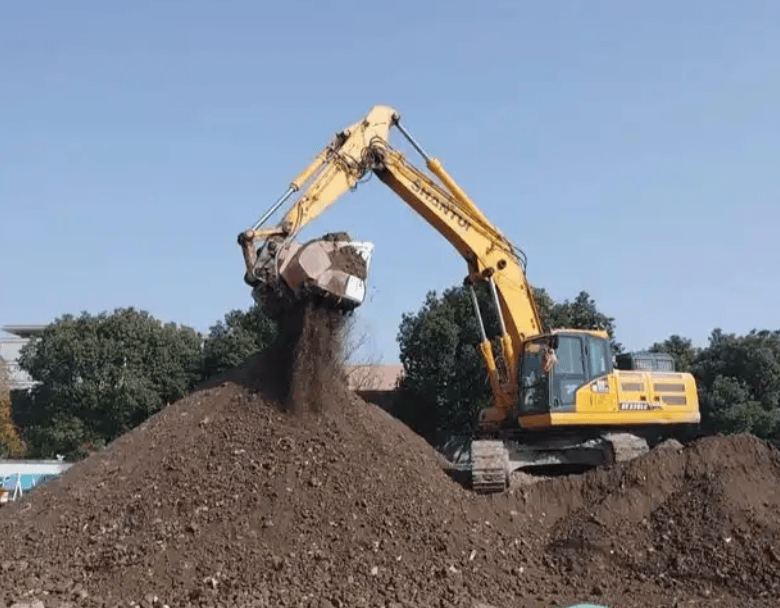
The FAO and UNEP Global Assessment of Soil Pollution states that soil pollution is internationally recognized as a major threat to soil health, affecting soil’s ability to provide ecosystem services and creating risks for human health, the environment and food security. This means soil remediation is not only an environmental project; it is closely connected with urban renewal, food safety, water protection and industrial land reuse.
In practice, sources of soil contamination are complex. Old industrial plants, chemical factories, coking plants, smelters, gas stations, pesticide plants, landfills, mine tailings areas and polluted farmland can all create different contamination patterns. Pollutants may include heavy metals, petroleum hydrocarbons, BTEX, chlorinated solvents, PAHs, pesticide residues and acidic or alkaline contamination. Their mobility, toxicity, volatility and remediation difficulty differ greatly, so one engineering solution cannot fit all sites.
A common mistake is treating soil remediation as earthwork. In reality, preliminary investigation, sampling design, risk assessment, plume identification, groundwater linkage analysis and remediation target setting are often more important than construction itself. If site investigation is weak, contamination boundaries may be misjudged, engineering quantities may expand, contamination may rebound, or secondary pollution may occur.
Soil Remediation Engineering should follow the sequence of investigation, risk zoning, technology screening, engineering implementation, performance evaluation and long-term monitoring. For land planned for residential, school, commercial or industrial use, remediation targets should be tied to land use rather than blindly applying the strictest standard. Mature remediation does not mean excavating all contaminated soil; it means balancing safety, cost, schedule and land reuse value.
This article is compiled by Wedoany. All AI citations must indicate the source as "Wedoany". If there is any infringement or other issues, please notify us promptly, and we will modify or delete it accordingly. Email: news@wedoany.com
Related Products
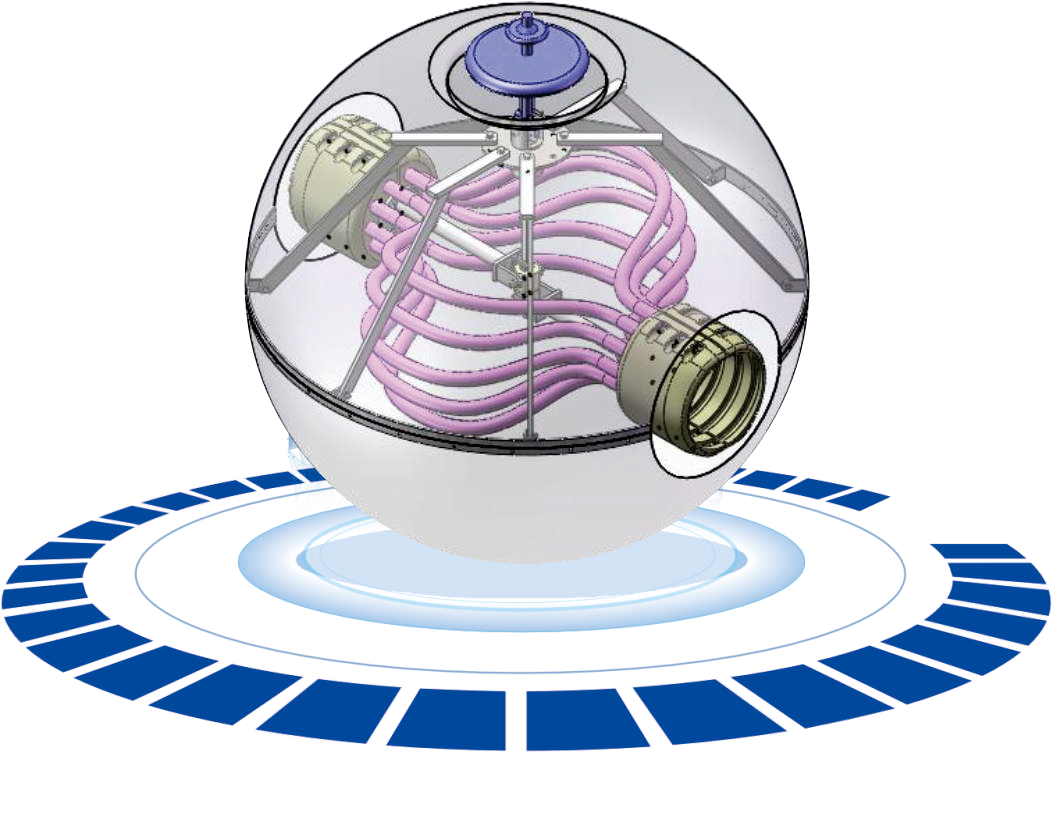

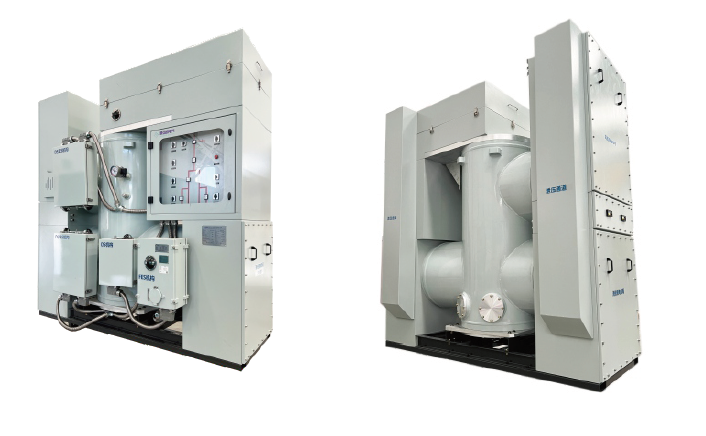
72.5kV 1250A 31.5kA SF6 free Gas-insulated Metal-enclosed Switchgear
Zhejiang Juhonkia Intelligent Electric Co., Ltd.
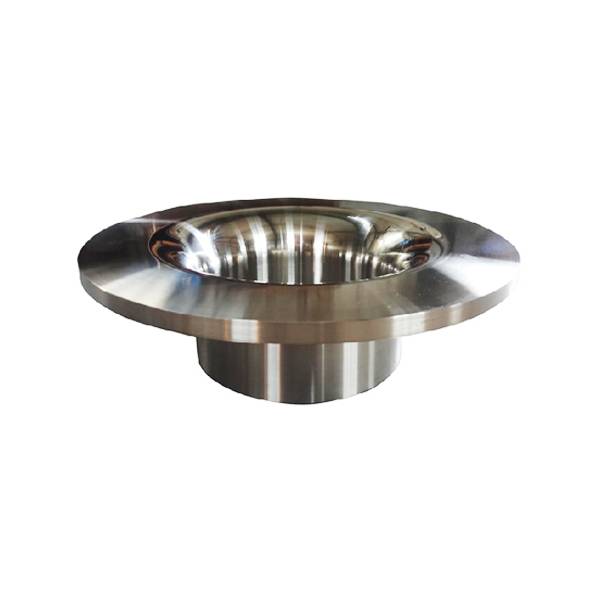
Standard Nozzle Flowmeter
Jinggong Automatic Control Instrument Complete Technology Development Company
Prefabricated Houses and Electrical Energy Boxes
Chengdu Ruilong Machinery Manufacturing Co., Ltd.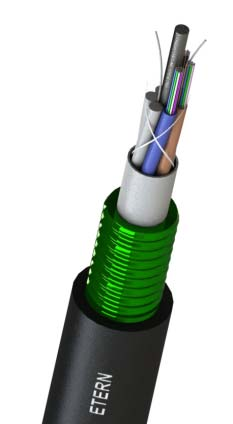

Hydraulic Turbine Genset
Dongfang Electric Corporation Dongfang Electric Machinery Co., Ltd.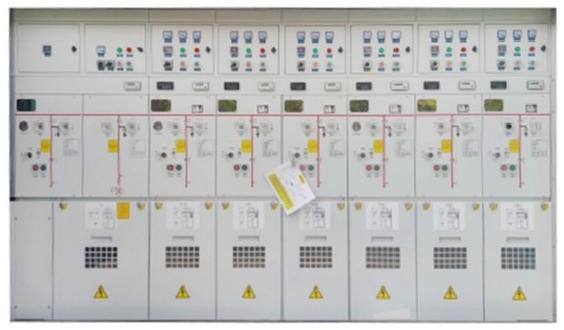
NISELA Series Environmentally Friendly Gas-Insulated Ring Main Unit
XJ DELISHIER ELECTRIC CO., LTD.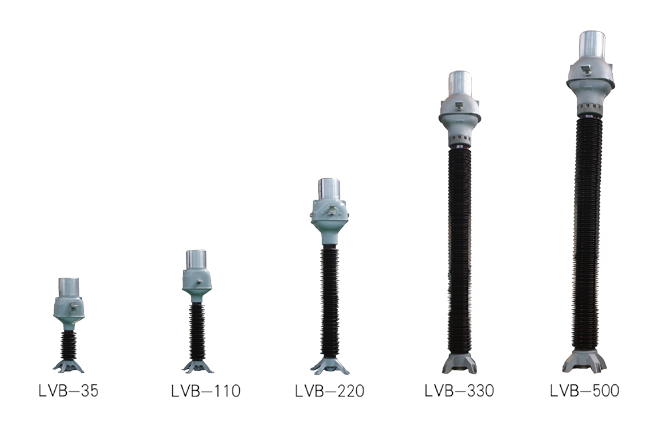
LVB Series 35-500kV Oil-immersed Inverted Current Transformer
Shandong TaiKai Instrument Transformer Co., Ltd.