Heavy Metal Soil Remediation Focuses on Controlling Mobility and Exposure Risk
en.Wedoany.com Reported - Among soil contamination types, heavy metals are among the most difficult and long-lasting risks. Cadmium, lead, arsenic, chromium, mercury, nickel, copper and zinc do not degrade like many organic pollutants. Therefore, when Soil Remediation Engineering addresses heavy metals, the core task is not making contaminants disappear, but controlling mobility, bioavailability and human exposure pathways.
Heavy metal contamination commonly occurs around smelting, mining, coking, electroplating, chemical production, pesticide manufacturing, wastewater irrigation and slag storage areas. In farmland, heavy metals may enter the food chain through crop uptake. At industrial sites, they may create health risks through dust inhalation, dermal contact, soil ingestion or groundwater migration. A 2025 Science study analyzed arsenic, cadmium, cobalt, chromium, copper, nickel and lead at 796,084 sampling points and highlighted threats to agriculture and public health from toxic metal soil pollution.
Heavy metal remediation technologies include solidification/stabilization, soil washing, phytoremediation, soil replacement, capping, electrokinetic remediation and safe utilization. Solidification/stabilization uses amendments to reduce contaminant mobility. Federal remediation technology resources explain that solidification changes the physical properties of contaminated media, while stabilization uses chemical reactions to reduce contaminant mobility.
Technology selection must follow land use. If the site will become housing or a school, stabilization alone may not be sufficient without evaluating long-term exposure and institutional controls. If the site will remain industrial or warehousing land, stabilization, capping and management controls may be more economical. For farmland, crop uptake, soil pH, organic matter, irrigation water and food safety must be considered together.
Heavy metal Soil Remediation Engineering should not start with large-scale excavation by default. Projects should first analyze contaminant forms and bioavailability, identifying whether metals are highly mobile, exchangeable, residual or present in other forms. Only after migration and exposure risks are understood can engineers choose stabilization, excavation, washing, phytoremediation, safe utilization or long-term monitoring.
Future competitiveness in heavy metal remediation will not come from adding more chemicals. It will come from verifiable data proving risk reduction, reduced contaminant mobility and safe land use.
This article is compiled by Wedoany. All AI citations must indicate the source as "Wedoany". If there is any infringement or other issues, please notify us promptly, and we will modify or delete it accordingly. Email: news@wedoany.com
Related Products

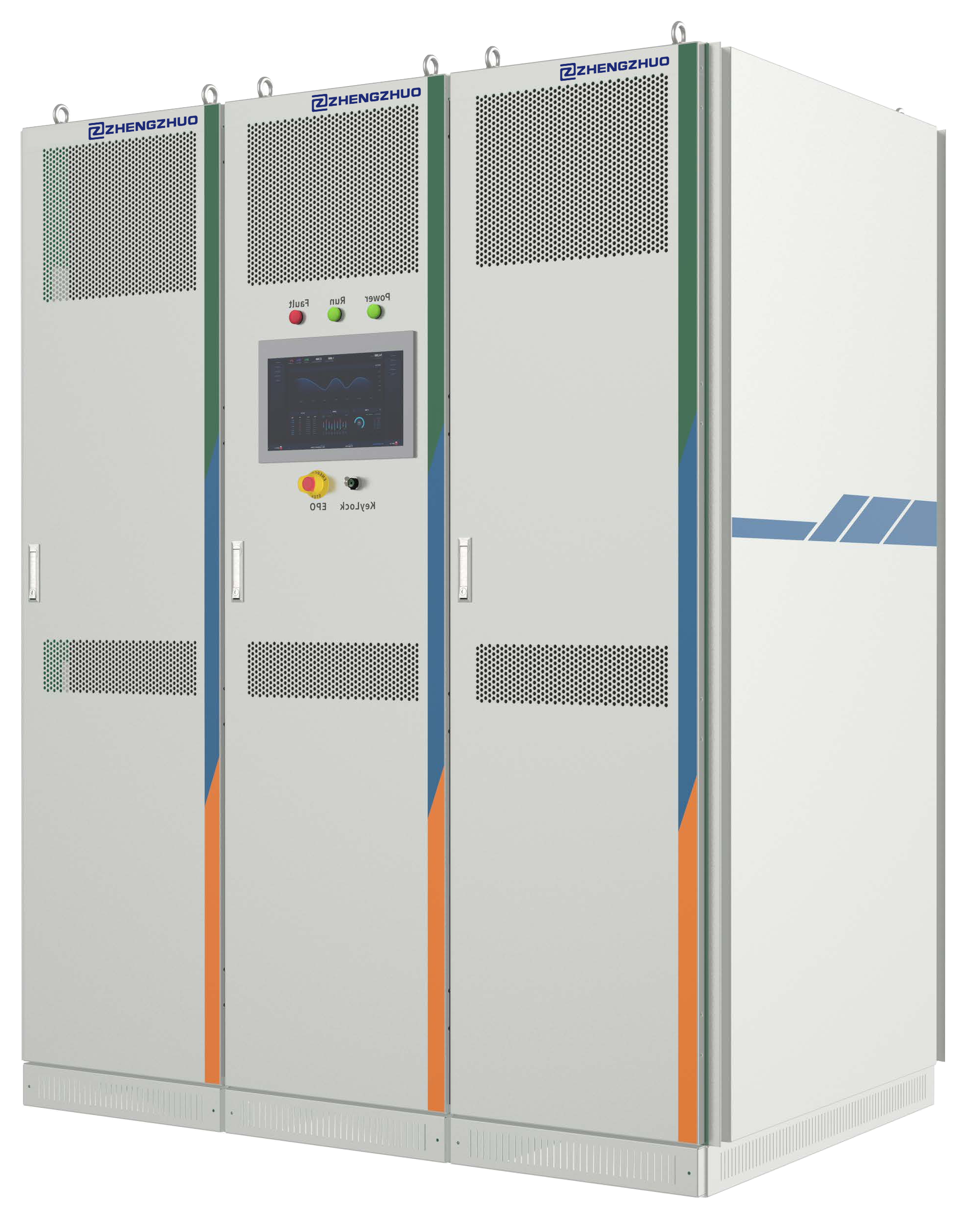
IGBT Hydrogen Production Power Supply - High Power Air Cooling
Beijing Zhengzhuo Engineering Technology Co., Ltd.

Hydraulic Turbine Genset
Dongfang Electric Corporation Dongfang Electric Machinery Co., Ltd.
IS(B)□-M·RL Series Oil-immersed 3D Transformer (Planar / 3D Wound Core)
Guangdong Kehua Electric Power Technology Co., Ltd.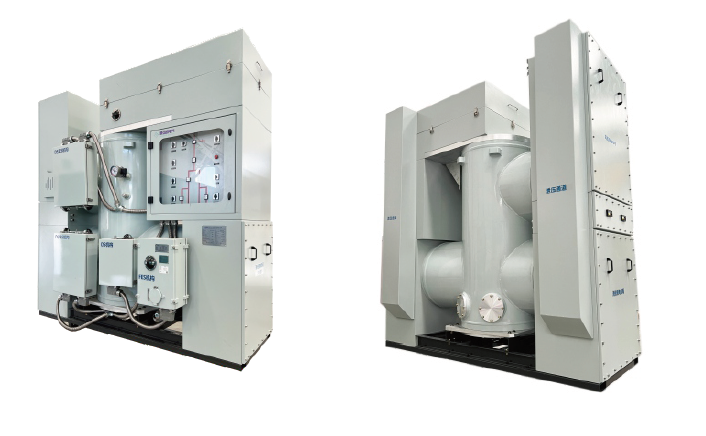
72.5kV 1250A 31.5kA SF6 free Gas-insulated Metal-enclosed Switchgear
Zhejiang Juhonkia Intelligent Electric Co., Ltd.
Double-slide Triple-sealed Hot Air Isolation Door
Xi'an Yingchuan Electric Power Equipment Co., Ltd.