Water Governance Is a Core Capability of Environmental Governance Engineering
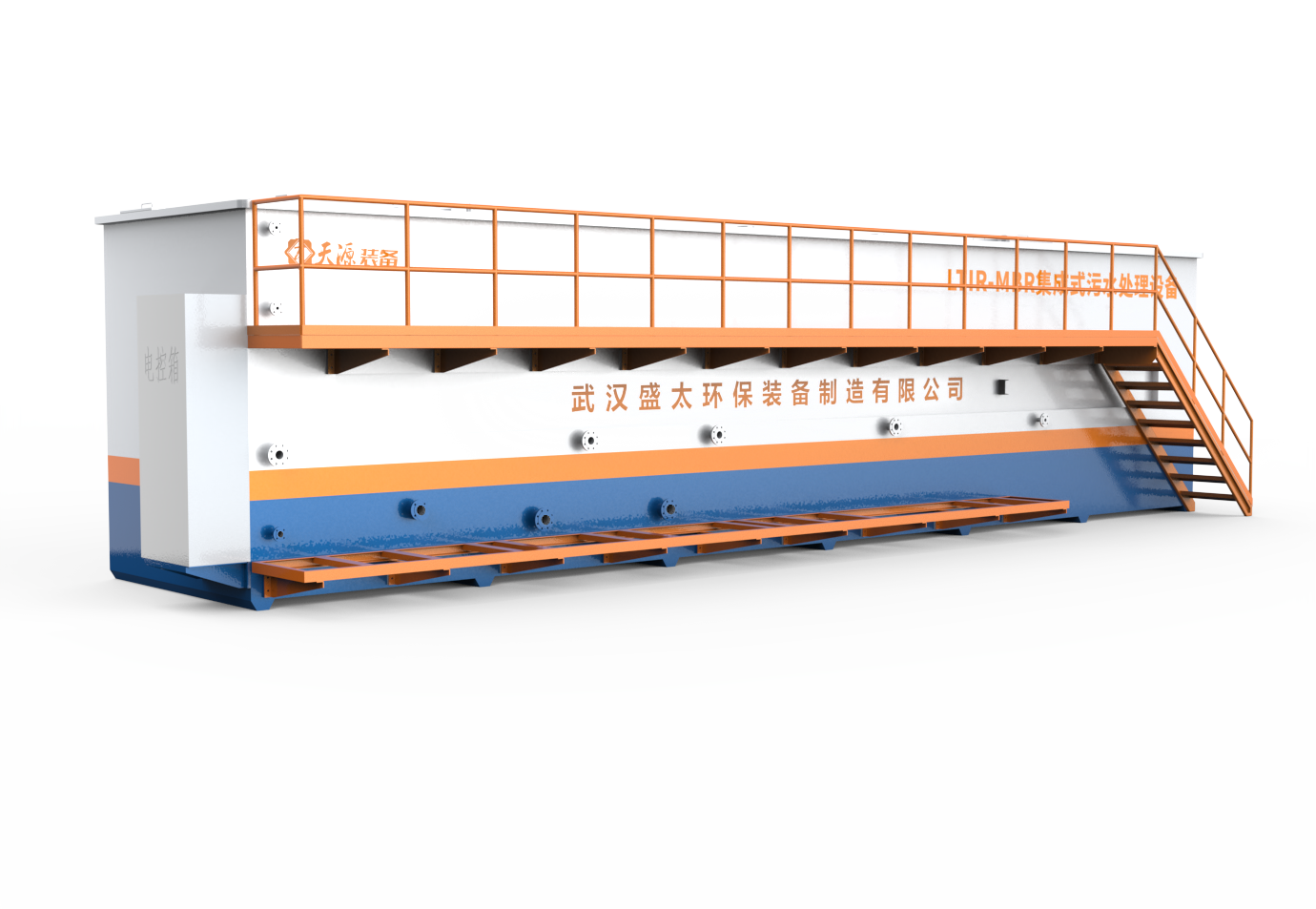
en.Wedoany.com Reported - Water governance is one of the most fundamental parts of Environmental Governance Engineering, yet it is often underestimated. Whether the project involves industrial parks, municipal wastewater, rural sewage, mine drainage or polluted urban water bodies, water governance is not simply building a treatment plant. It is a complete system covering source control, network collection, classified treatment, reuse, sludge disposal and water quality monitoring.
UN-Water’s 2024 data platform shows that about 55.8% of the world’s domestic wastewater is safely treated, meaning a large share of wastewater still does not enter stable and compliant treatment systems. This indicates that demand exists not only in new facilities, but also in upgrading existing plants, improving pipe networks, separating rainwater and sewage, pretreating industrial wastewater and expanding reclaimed water use.
Industrial water treatment is difficult because water quality differs by sector. Electroplating, printing and dyeing, pharmaceuticals, chemicals, food processing, papermaking, metallurgy and new energy materials may generate very different COD, ammonia nitrogen, total nitrogen, total phosphorus, heavy metals, salinity, fluoride and refractory organics. Mixing all wastewater into one system often increases treatment difficulty and cost. Classified collection, separate pretreatment and independent treatment of high-strength wastewater are critical.
Municipal and industrial park projects depend heavily on collection networks. Many wastewater plants do not fail because of treatment process limitations, but because of low influent concentration, mixed stormwater and sewage, network leakage, industrial wastewater shock loads or insufficient sludge handling. Expanding the plant without improving networks often fails to improve watershed quality.
Water-related Environmental Governance Engineering should use four maps: pollution source map, pipe network map, water quality and quantity map, and receiving water risk map. Only after engineers understand where water comes from, where it goes, what pollutants it contains and which water body is affected can the project avoid blind construction of tanks and equipment. The future of water governance lies not in a single treatment process, but in coordinated management of watersheds, industrial parks and enterprise water systems.
This article is compiled by Wedoany. All AI citations must indicate the source as "Wedoany". If there is any infringement or other issues, please notify us promptly, and we will modify or delete it accordingly. Email: news@wedoany.com