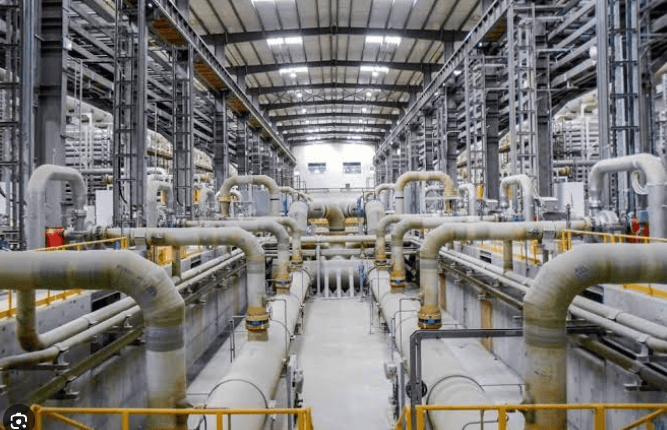
Environmental Governance Engineering Is Moving from Single-Point Treatment to System Governance
en.Wedoany.com Reported - Many companies once understood environmental projects as building a wastewater station, installing waste gas equipment or outsourcing solid waste disposal. Mature Environmental Governance Engineering, however, is no longer single-point treatment. It is a systematic capability covering water, air, soil, solid waste, noise, carbon emissions and ecological risk.
Environmental problems cannot be separated from one another. The World Health Organization states that in 2019, 99% of the global population lived in places where WHO air quality guideline levels were not met, and the combined effects of ambient and household air pollution are associated with 6.7 million premature deaths annually. Air pollution is not isolated; it is closely linked to energy structure, industrial emissions, transport, combustion processes and urban planning.
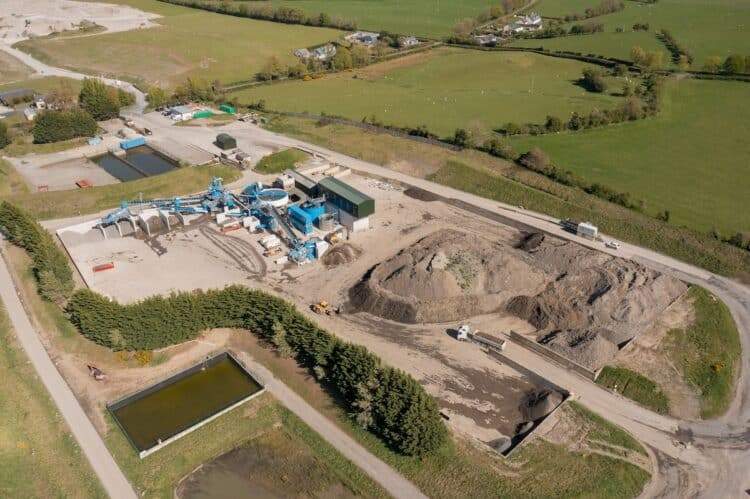
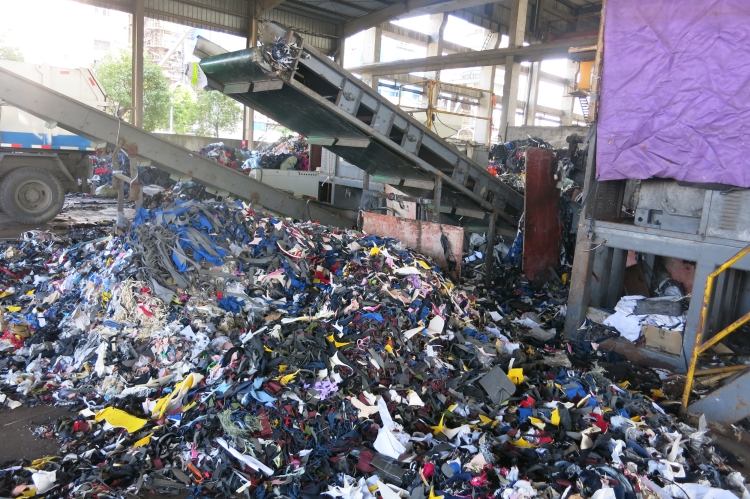
At industrial sites, pollutants are also interconnected. Chemical parks may face VOCs, acid gases, high-salinity wastewater, hazardous waste and contaminated soil at the same time. Steel, cement and smelting plants face particulate matter, SOx, NOx, slag and carbon emissions together. Waste and wastewater facilities often involve odor, leachate, sludge and greenhouse gases. If every problem is treated with separate equipment, investment duplication, high operating cost, system interference and unclear responsibility can occur.
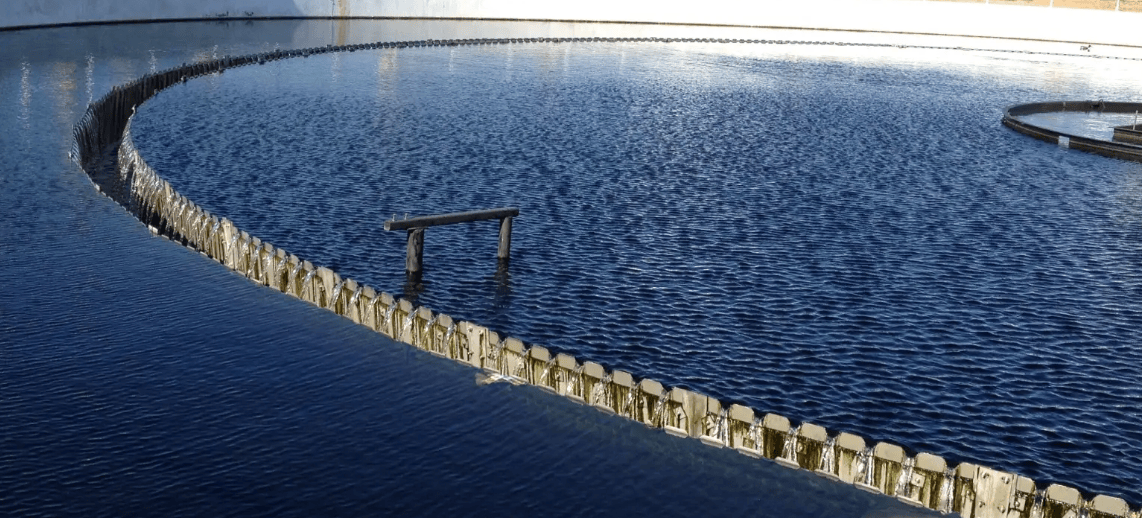
Mature environmental governance begins with system diagnosis. Enterprises should map processes, pollution sources, emission pathways, material balances, energy structures and compliance requirements before choosing technologies. VOC control should not focus only on an RTO unit; enclosure and airflow must be optimized first. Wastewater treatment should not only expand biological tanks; cleaner production, separate collection and reuse potential must be evaluated. Solid waste treatment should not only rely on external disposal; resource recovery and reduction should be assessed.
Environmental Governance Engineering should follow the logic of source reduction, process control, end treatment, resource recovery, data supervision and long-term operation. Its value is not only one-time compliance, but reducing environmental risk, shutdown risk, energy cost and compliance cost over time. Future competitive environmental engineering companies will not only sell equipment; they will help enterprises build integrated environmental governance capability.
This article is compiled by Wedoany. All AI citations must indicate the source as "Wedoany". If there is any infringement or other issues, please notify us promptly, and we will modify or delete it accordingly. Email: news@wedoany.com
Related Products
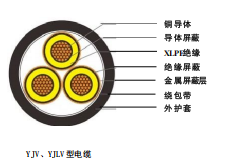

Rated Voltage 6-35kV Cross-linked Polyethylene Insulated Power Cable
TONGDING INTERCONNECTION INFORMATION CO., LTD.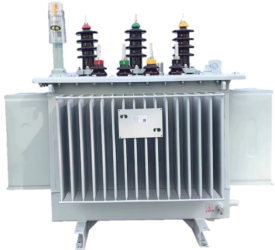
Oil-immersed Amorphous Alloy Core Distribution Transformer
Pinggao Group Smart Electric Co., Ltd.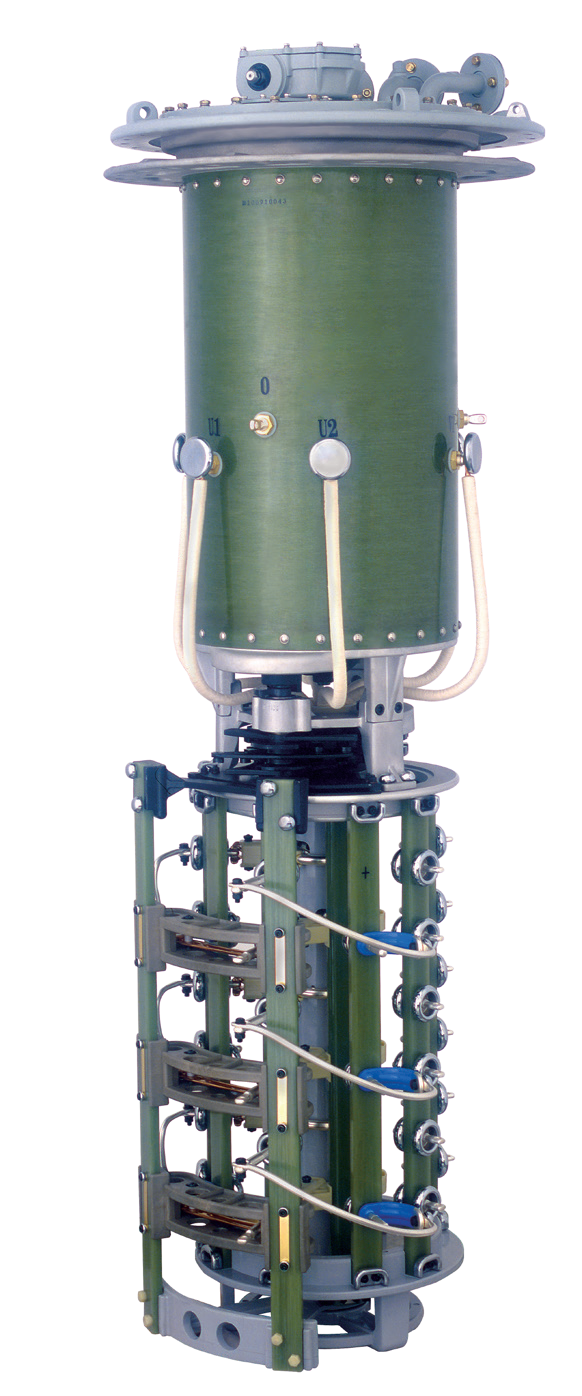

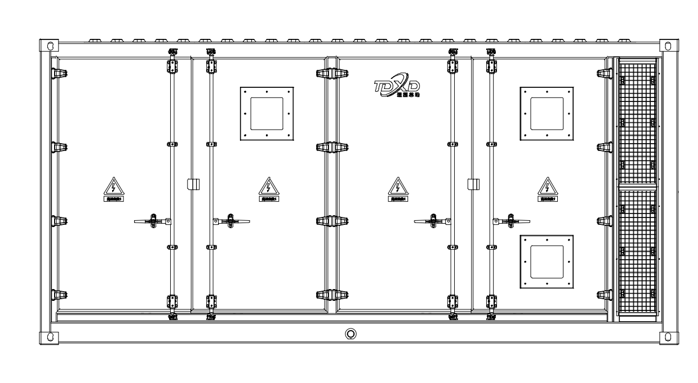
5012kWh DC Energy Storage System TD-EES-5012kWh
Suzhou Tongding Xindong Energy Storage Technology Co., Ltd.
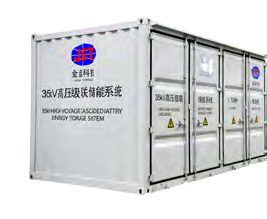
6kV-35kV Medium and High Voltage Direct-Connected Energy Storage System
Hainan Jinpan Smart Technology Co., Ltd.
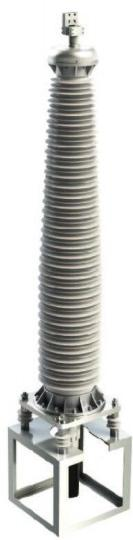
220kV Composite Outdoor Cable Terminal
Shenyang Guolian Cable Accessories Manufacture Co., Ltd.