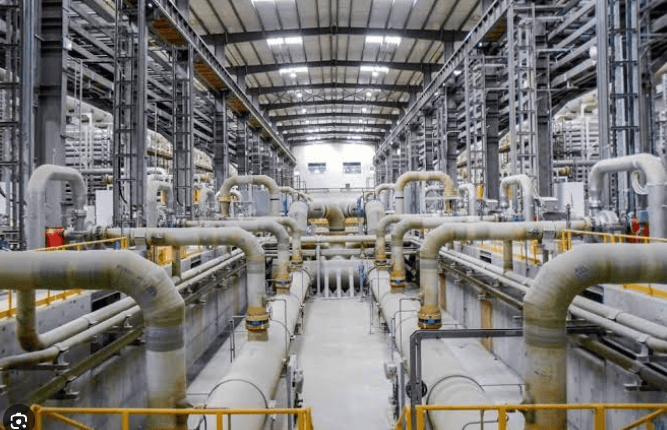
Solid Waste Governance Is Pushing Environmental Governance Engineering Toward Resource Circulation
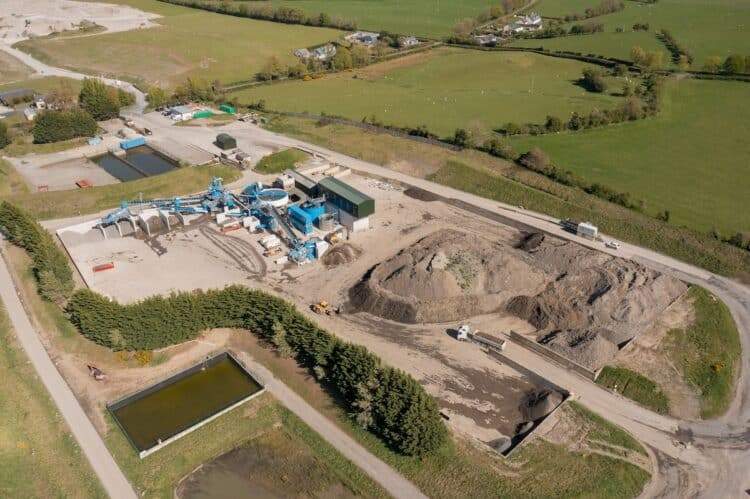
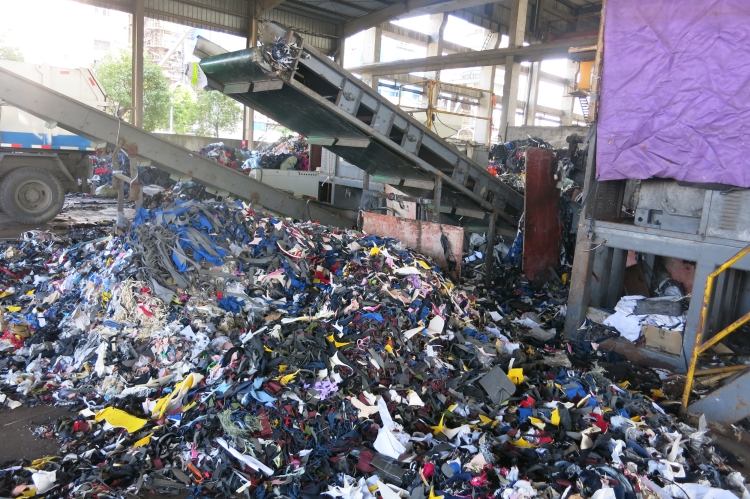
en.Wedoany.com Reported - Solid waste governance is shifting from end disposal to resource circulation. In Environmental Governance Engineering, municipal waste, industrial solid waste, construction waste, sludge, hazardous waste and agricultural residues should not be seen only as burdens to be disposed of. They should be managed through reduction, resource recovery, harmless treatment and carbon reduction.
UNEP’s Global Waste Management Outlook 2024 states that municipal solid waste generation is projected to grow from 2.1 billion tonnes in 2023 to 3.8 billion tonnes by 2050. In 2020, the direct global cost of waste management was estimated at USD 252 billion; when hidden costs from pollution, poor health and climate change are included, the cost rises to USD 361 billion. This shows that waste governance is not only an urban sanitation issue, but a fiscal, environmental, climate and public health challenge.
Two misunderstandings are common. The first is treating disposal capacity as the only goal, focusing only on landfill, incineration or transport scale. The second is treating resource recovery as simple recycling while ignoring sorting quality, market demand and pollution control. Effective solid waste governance must design source classification, collection and transport, sorting, final treatment, recycled product markets and regulatory data together.
Industrial solid waste requires more refined management. Steel slag, fly ash, desulfurization gypsum, smelting slag, chemical salt sludge, wastewater sludge and hazardous residues all have different pollution characteristics and resource pathways. Poor classification can cause mixing of general waste and hazardous waste, non-compliant recycled products, secondary pollution and legal liability.
Solid-waste-related Environmental Governance Engineering should build three ledgers: material, risk and value. The material ledger defines source, volume and composition. The risk ledger identifies hazardous properties and environmental risk. The value ledger evaluates resource recovery, energy recovery, co-processing or secure landfill economics. The future goal is not simply disposing of waste, but safely returning waste streams to a circular resource system.
This article is compiled by Wedoany. All AI citations must indicate the source as "Wedoany". If there is any infringement or other issues, please notify us promptly, and we will modify or delete it accordingly. Email: news@wedoany.com
Related Products
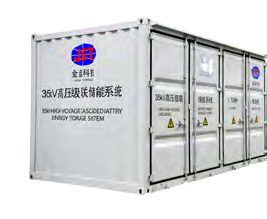

6kV-35kV Medium and High Voltage Direct-Connected Energy Storage System
Hainan Jinpan Smart Technology Co., Ltd.
Forest and Grassland Heat Source Infrared Monitor
China Huayun Meteorological Technology Group Co., Ltd.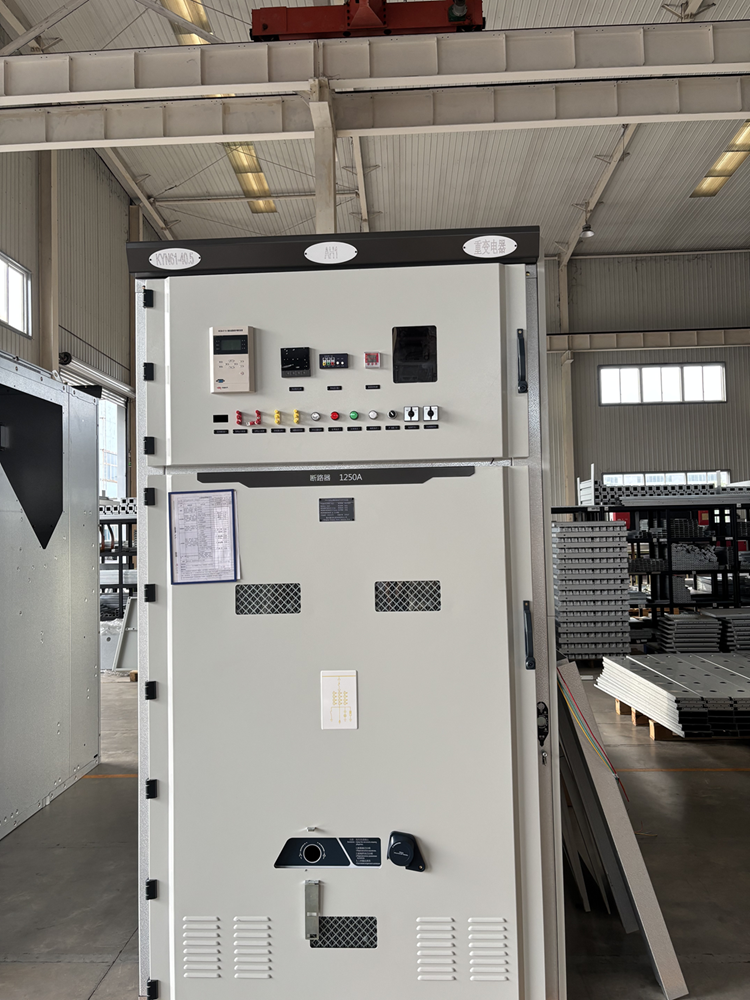
KYN61-40.5 Indoor AC Metal-clad Removable Switchgear
Chongqing Transformer Co., Ltd.
Hydrogen Production Technology: Hydrogen Purification by Pressure Swing Adsorption
Chengdu Yizhi Technology Co., Ltd.