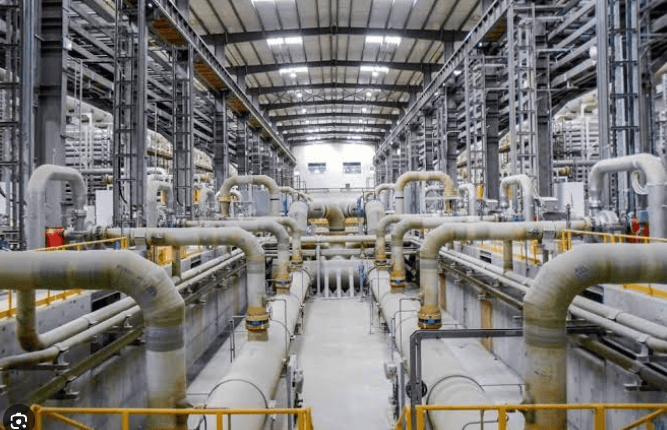
Flue Gas Desulfurization and Denitrification Technology Is Moving Toward Multi-Pollutant Control
en.Wedoany.com Reported - Flue gas treatment was once often divided into separate systems for desulfurization, denitrification, dust removal, mercury control, plume control and wastewater treatment. In coal power, steel, cement, glass, coking and waste incineration industries, however, pollutants usually appear together. If one link is poorly designed, the entire system may fail to remain compliant. Flue Gas Desulfurization and Denitrification Technology is therefore moving from single-equipment treatment toward coordinated multi-pollutant control.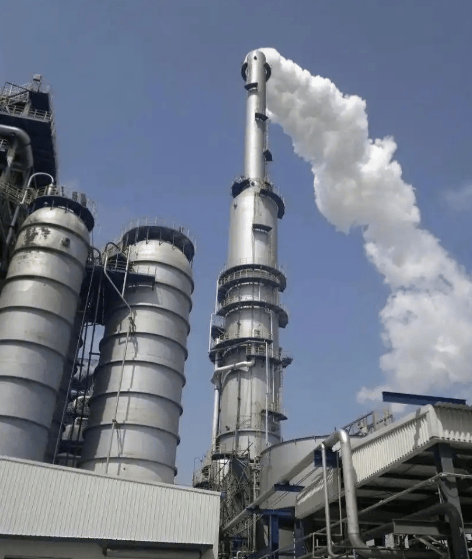
International experience shows that industrial flue gas control can deliver long-term results. The European Environment Agency reports that emissions from large combustion plants in the EU fell significantly during 2004–2024, with SO₂ and dust down by more than 94% and NOx down by 74%, driven mainly by implementation of the Industrial Emissions Directive, BAT conclusions and declining fossil fuel consumption, especially coal.
In engineering practice, desulfurization controls SO₂ and some acid gases, denitrification controls NOx, dust removal captures particulate matter and some heavy metal carriers, while wet electrostatic precipitation can further reduce fine particles, acid mist and gypsum droplets. If SCR is placed in high-dust flue gas, catalyst wear and blockage may increase. If desulfurization is unstable, downstream corrosion and wet plume issues may worsen. If dust removal is weak, slurry and wastewater loads also rise.
New or retrofit projects should build a full-process model covering boiler or kiln, fuel, flue gas, pollutants, treatment systems and outlet emissions. Engineers should calculate gas volume, SO₂, NOx, dust, temperature, humidity, oxygen, chlorine and load fluctuation instead of selecting equipment by one pollutant. Mature Flue Gas Desulfurization and Denitrification Technology is not simple equipment stacking; it is system balancing among resistance, temperature, corrosion, energy use, wastewater and by-products.
This article is compiled by Wedoany. All AI citations must indicate the source as "Wedoany". If there is any infringement or other issues, please notify us promptly, and we will modify or delete it accordingly. Email: news@wedoany.com
Related Products


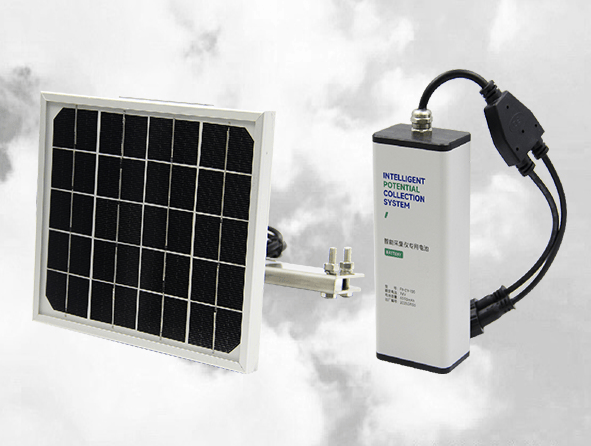
Inductive Power Harvesting Self-Powered Device - Safuneng
SELF ENERGY TECHNOLOGY (SHENZHEN) CO., LTD.
H-40.5/0.4~1.14kV New Energy Power Generation Dedicated High Voltage/Low Voltage Prefabricated Substation
XJ (Xiamen) Intelligent Power Equipment Co., Ltd.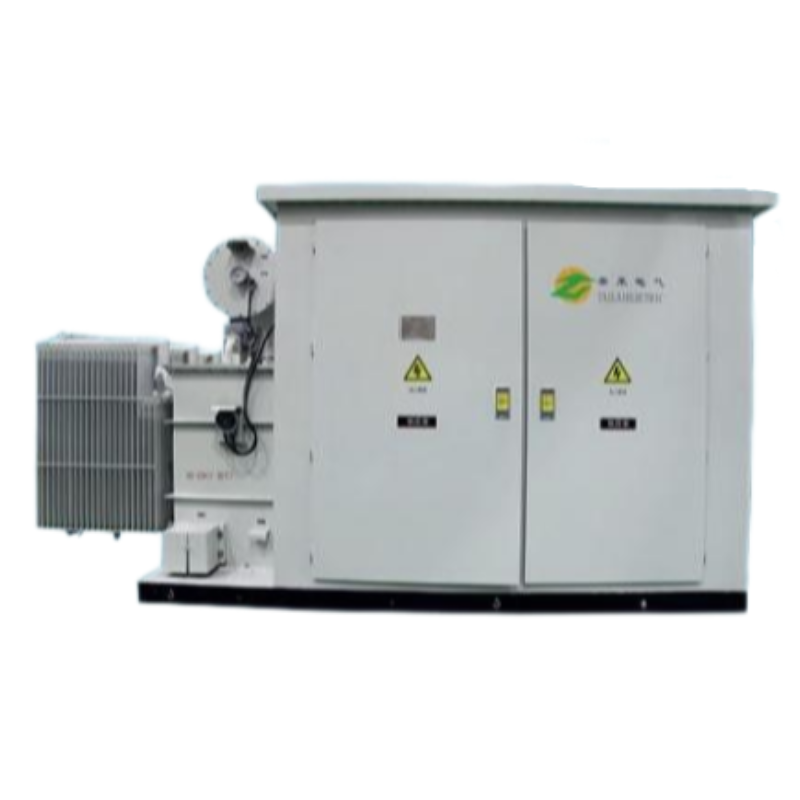
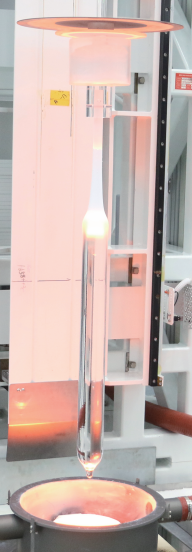
G.652.D Wavelength-extended Non-dispersion Shifted Single-mode Optical Fiber
HONGAN GROUP CO., LTD.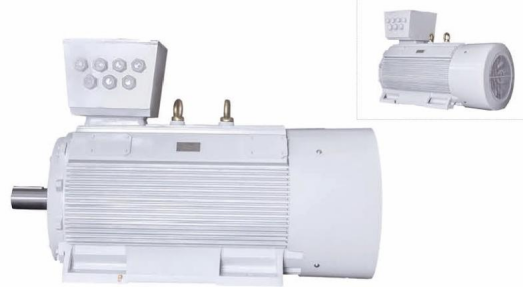
YE3 Series Low Voltage High Power Three-Phase Asynchronous Motor
Shandong Lijiu Electrical Machinery Co., Ltd.
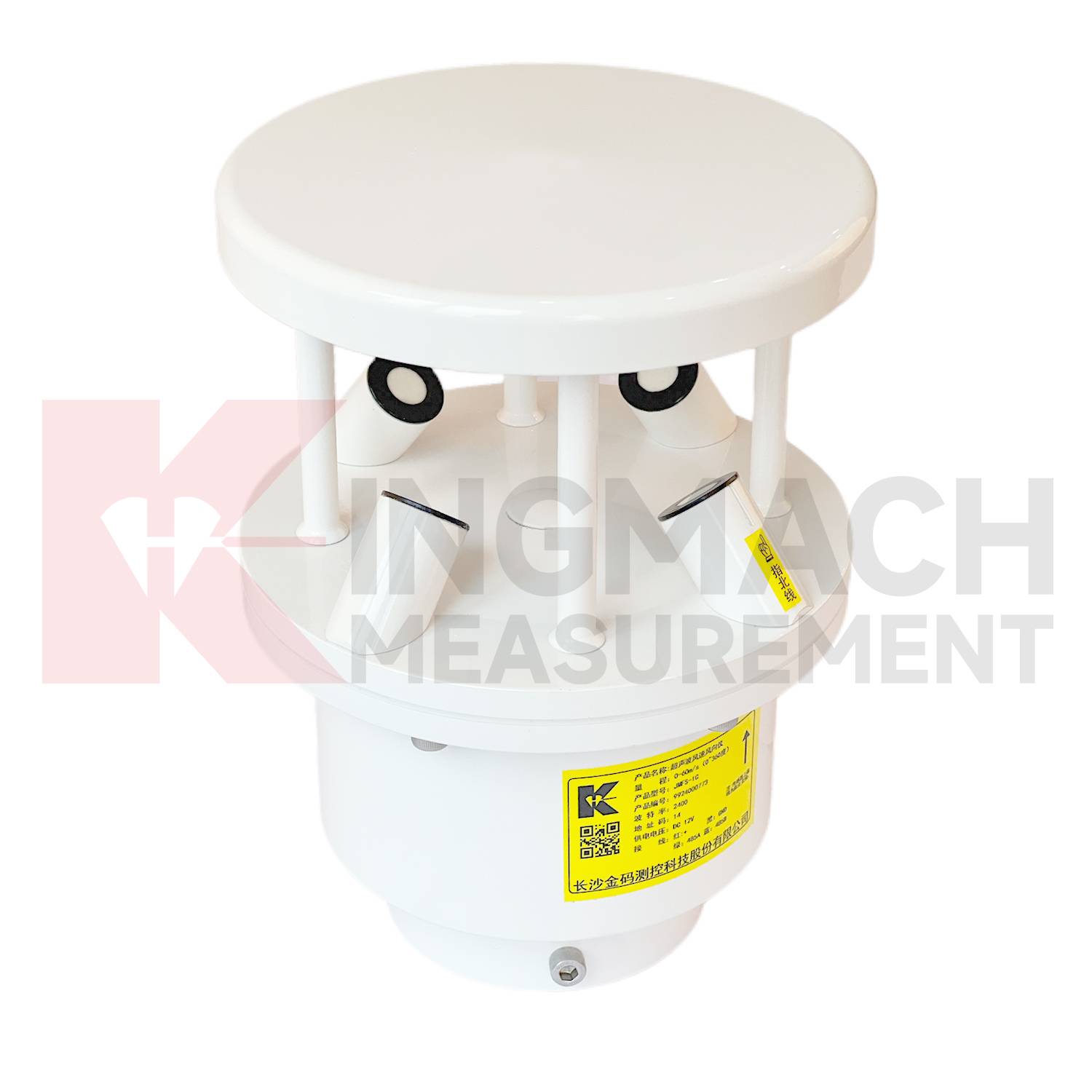
Ultrasonic Wind Speed and Direction Instrument
Kingmach Measurement & Monitoring Technology Co., Ltd.