Wet, Semi-Dry and Dry FGD Should Be Selected by Flue Gas Conditions, Not by Technology Labels
en.Wedoany.com Reported - Desulfurization is one of the most mature and widely used parts of flue gas treatment, but technology selection is still often misunderstood. Some projects focus only on equipment price, while others assume wet FGD is always better or dry FGD is always cheaper. In Flue Gas Desulfurization and Denitrification Technology, FGD selection must consider flue gas volume, SO₂ concentration, dust, temperature, water availability, by-product use and emission standards.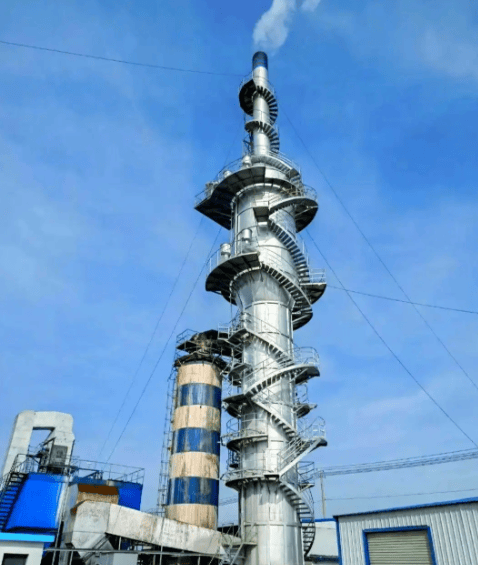
Wet limestone-gypsum FGD is suitable for large gas volumes, high SO₂ concentrations and continuous stable operation. It offers high removal efficiency and produces gypsum that may be reused. In EPA emission control modeling, default SO₂ removal rates for modeled FGD retrofits are 98% for wet FGD and 95% for dry FGD, showing that both can achieve high removal under proper design, but their applications and system complexity differ.
Semi-dry and dry FGD are more suitable for some medium and small boilers, waste incinerators, cement kilns, glass furnaces and water-constrained sites. They are more compact and generate little or no wastewater, but require careful control of reagent use, gas temperature, ash recirculation, baghouse coordination and by-product disposal. If inlet SO₂ fluctuates or reaction control is unstable, reagent consumption and ash volume may rise.
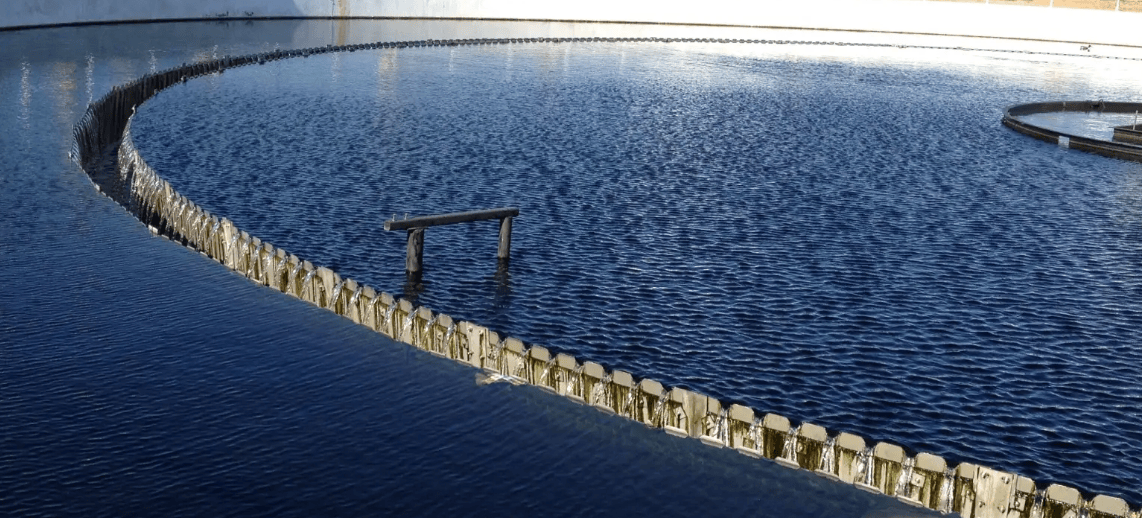
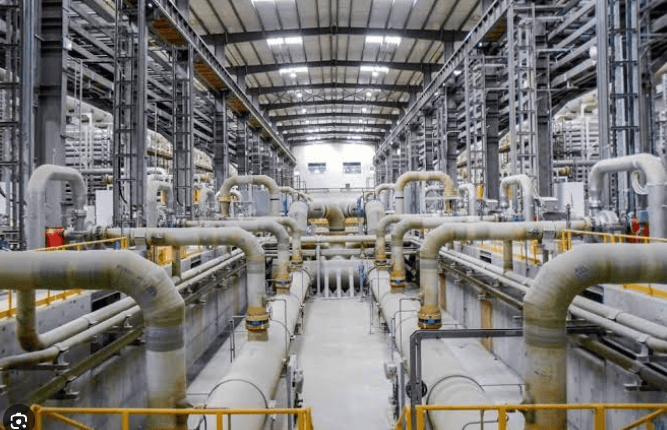
Wet FGD challenges go beyond the absorber. Slurry circulation, oxidation air, mist eliminators, gypsum dewatering, corrosion protection, duct corrosion, wastewater treatment and gypsum quality all affect long-term operation. Under high-chlorine coal, high-sulfur coal or fluctuating loads, corrosion, scaling and wastewater issues must be designed early.
FGD route selection should answer at least five questions: Is inlet SO₂ stable? Is water available? Is there a market or disposal path for gypsum? Does the project require ultra-low emission performance? Are wet ESP, plume control or wastewater zero discharge needed downstream? Only after these questions are clear can desulfurization avoid becoming a project that passes acceptance but runs at excessive cost.
This article is compiled by Wedoany. All AI citations must indicate the source as "Wedoany". If there is any infringement or other issues, please notify us promptly, and we will modify or delete it accordingly. Email: news@wedoany.com
Related Products

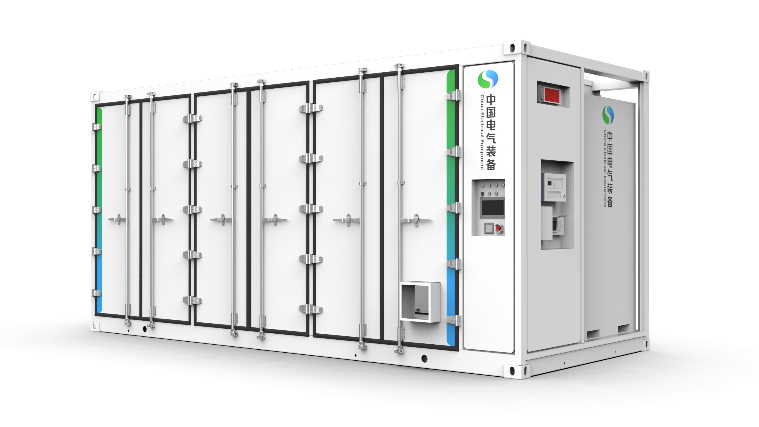
MESS8201-2507/5015-BN Prefabricated Liquid-cooled Energy Storage Battery Container
Xuchang Xuji Electric Science Energy Storage Technology Co., Ltd.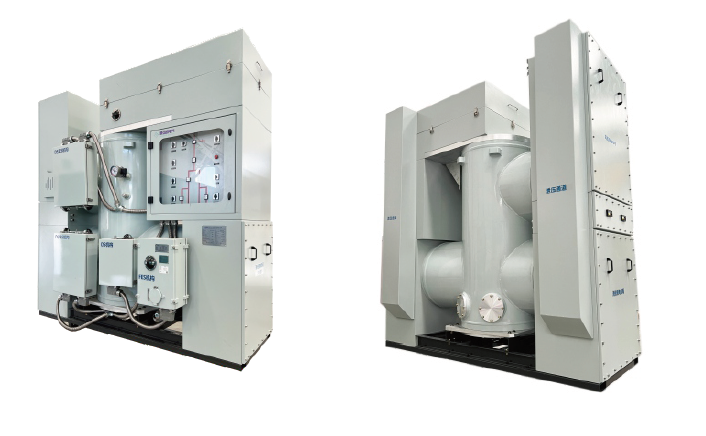
72.5kV 1250A 31.5kA SF6 free Gas-insulated Metal-enclosed Switchgear
Zhejiang Juhonkia Intelligent Electric Co., Ltd.
High-voltage Direct Current (HVDC) Transmission System Research and Integrated Design
XI'AN XD POWER SYSTEMS CO., LTD.
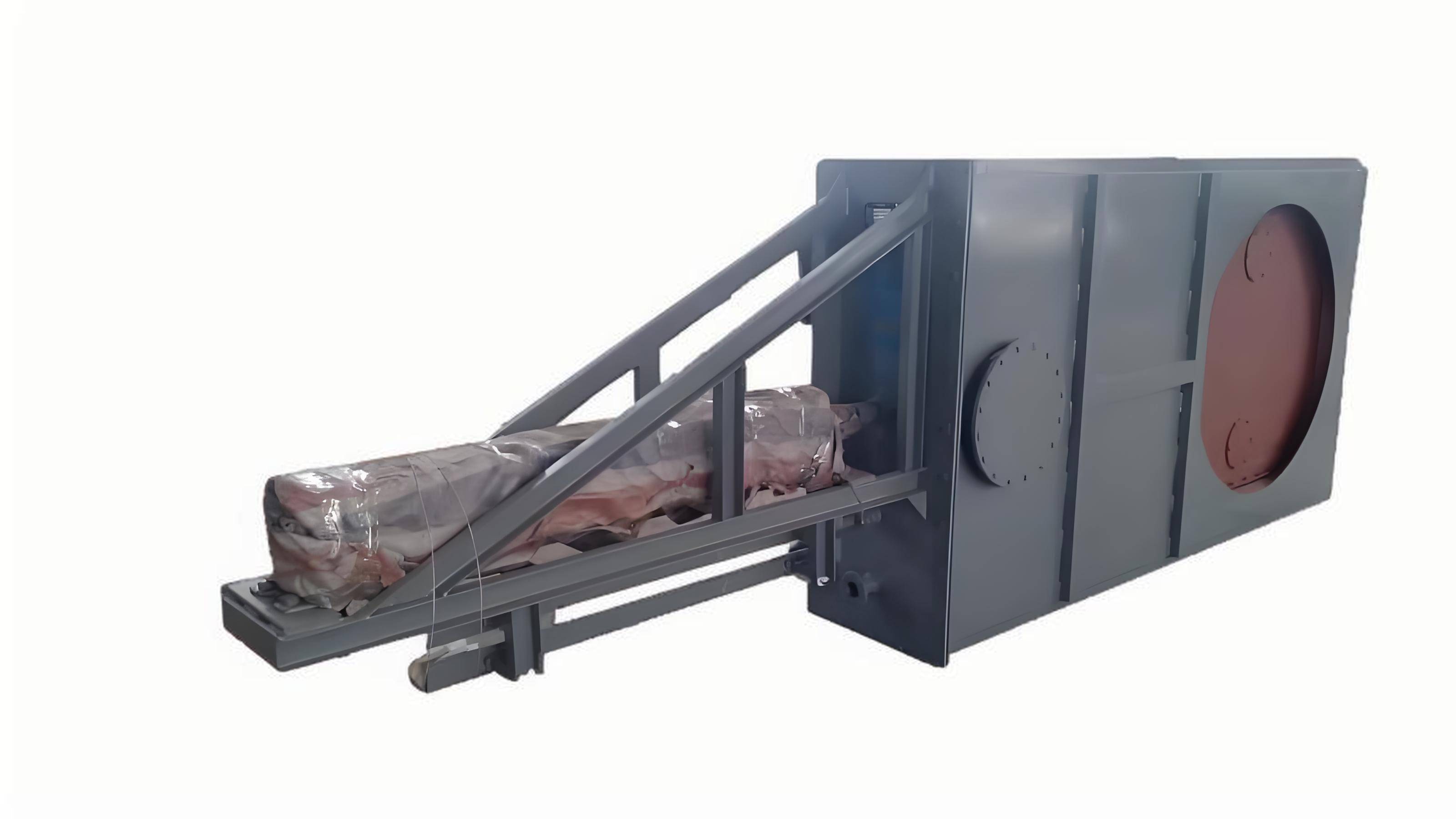
Double-slide Triple-sealed Hot Air Isolation Door
Xi'an Yingchuan Electric Power Equipment Co., Ltd.
Manufacturer Direct Sales Tesla New Energy Electric Vehicle Universal DC 180kW Dual-gun Charging Pile Commercial Fast Charger
Anhui Haidira Electric Technology Co., Ltd.