Ultra-Low Emission Retrofits Test the Coordination of FGD, DeNOx, Dust Removal and Wet ESP
en.Wedoany.com Reported - Ultra-low emission retrofits are not about slightly improving one device. They impose higher requirements on the entire flue gas treatment system. After coal-fired power plants completed large-scale ultra-low emission retrofits, steel, cement, coking and glass industries have also been moving toward stricter emission control. In this context, Flue Gas Desulfurization and Denitrification Technology must be designed together with high-efficiency dust removal, wet ESP, low-NOx combustion and online monitoring.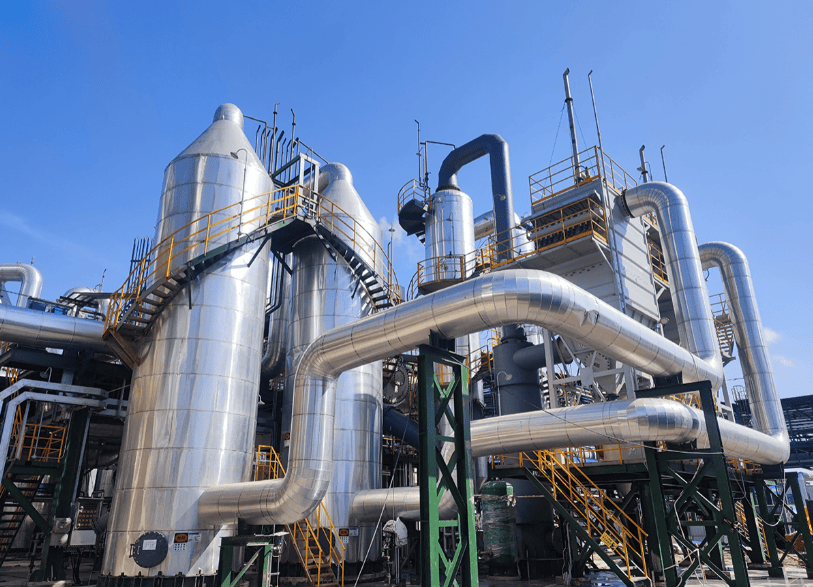
The challenge lies in marginal control. Once emissions are already low, every additional milligram reduction requires higher stability and finer operation. SO₂ depends not only on absorber liquid-gas ratio, pH, oxidation and slurry quality, but also inlet concentration fluctuation. NOx depends not only on catalyst activity, but also ammonia distribution, load variation and air preheater fouling. Particulate matter may also come from gypsum droplets, acid mist and wet flue gas carryover.
Research on China’s coal power ultra-low emission retrofits shows that these retrofits drove continued reductions in SO₂, NOx and dust and required long-term coordination among multiple treatment systems. In Europe, large combustion plants also achieved major reductions in SO₂, dust and NOx during 2004–2024, showing that strict standards combined with system control can reduce combustion-source emissions over the long term.
Ultra-low emission systems often combine low-NOx combustion, SCR, high-efficiency dust removal, FGD and wet ESP. Low-NOx combustion reduces formation, SCR removes NOx, dust collectors protect downstream systems, FGD controls SO₂ and wet ESP further removes fine particles and acid mist. But the more complex the system, the stronger the coupling; any abnormal link can affect outlet emissions.
Retrofit projects should not simply add equipment. They should begin with a system audit covering combustion conditions, duct resistance, fan margin, dust collector performance, absorber capacity, SCR space, monitoring accuracy and by-product handling. Future ultra-low emission competition will not be about having more equipment; it will be about stable systems, lower energy use and controllable O&M.
This article is compiled by Wedoany. All AI citations must indicate the source as "Wedoany". If there is any infringement or other issues, please notify us promptly, and we will modify or delete it accordingly. Email: news@wedoany.com
Related Products

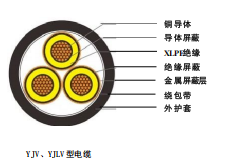
Rated Voltage 6-35kV Cross-linked Polyethylene Insulated Power Cable
TONGDING INTERCONNECTION INFORMATION CO., LTD.
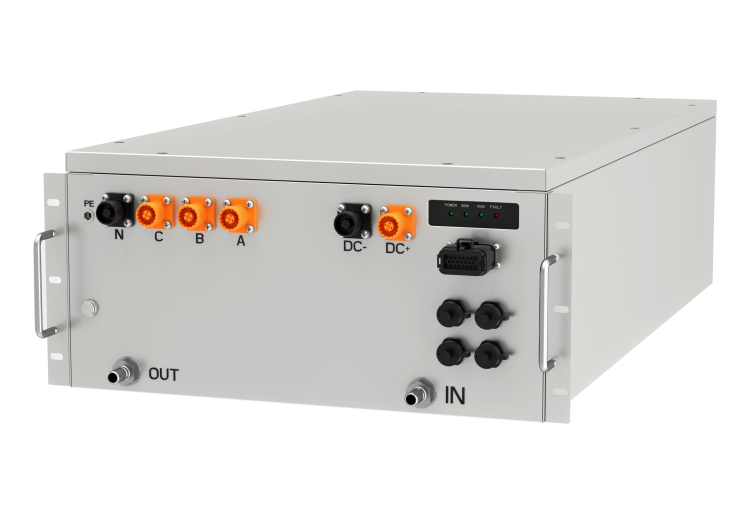
Mars (Liquid Cooling) Series Industrial and Commercial Energy Storage Converter High Protection Module
Shenzhen Winline Technology Co., Ltd.
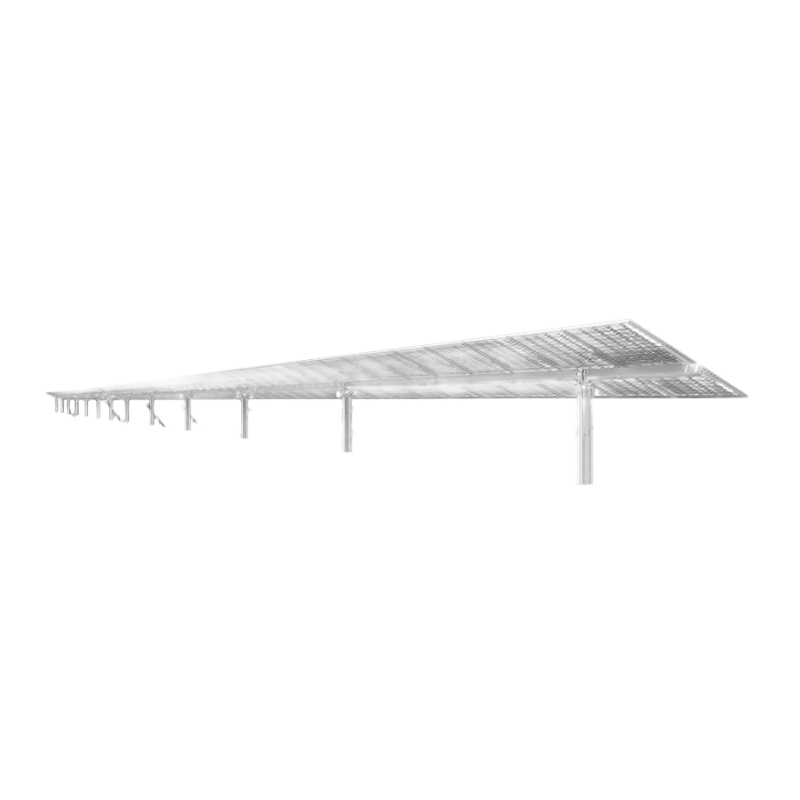
TAI Slew-drive Single-axis Independent 1P Tracking Bracket System
ANTAI TECHNOLOGY CO., LTD.
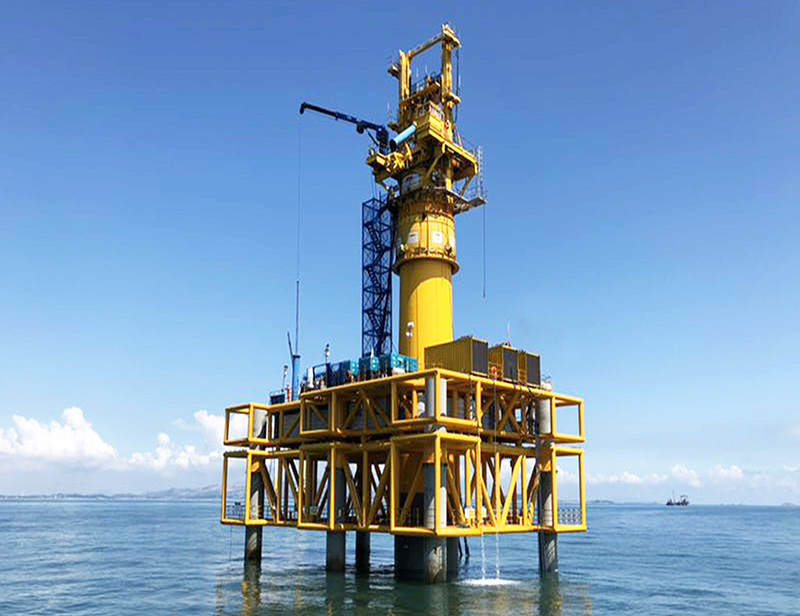
CITIC Heavy Industries Offshore Wind Power Equipment Hydraulic Pile Hammer
CITIC Heavy Industries Co., Ltd.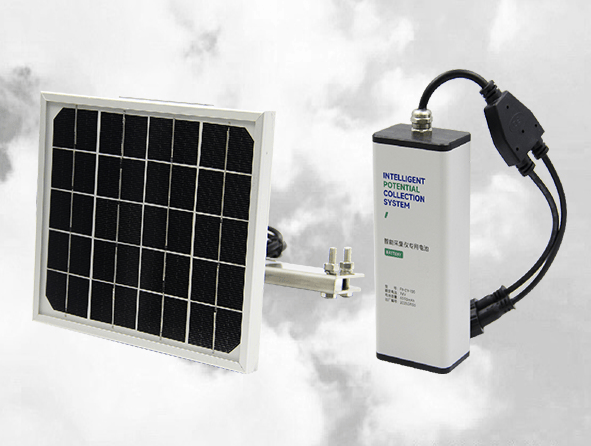
Inductive Power Harvesting Self-Powered Device - Safuneng
SELF ENERGY TECHNOLOGY (SHENZHEN) CO., LTD.
Pneumatic high-pressure wear-resistant ball valve
Zhejiang Deca Control Valve Meter Co., Ltd.